Equality, Visibility, and Solidarity: Dr. Ursula Schwitalla on Campaigning for Recognition and Success
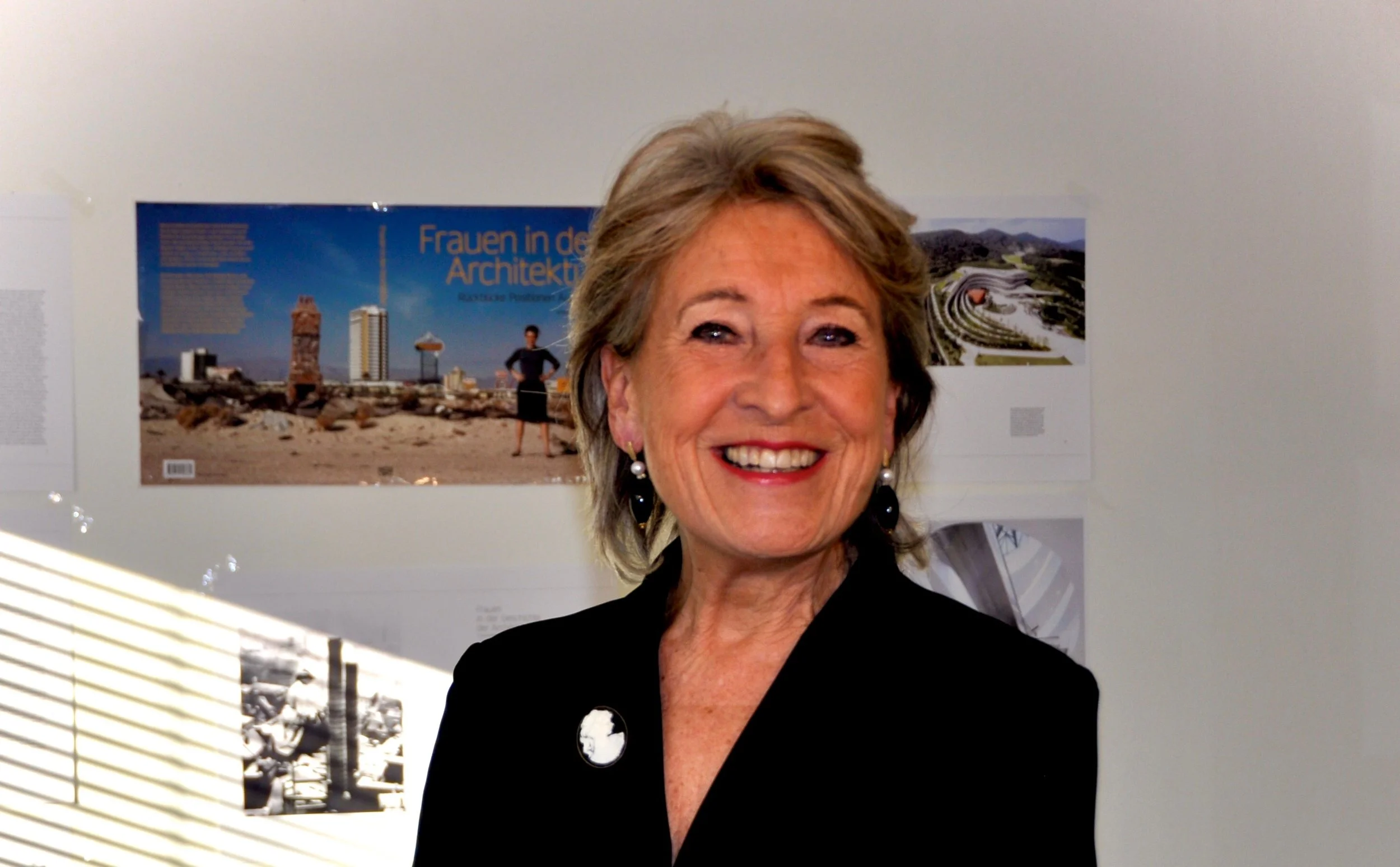
Dr. Ursula Schwitalla
By Julia Gamolina
Dr. Ursula Schwitalla is the founder and chair of Diversity in Architecture. Based in Tuebingen, Germany, she studied history, geography, politics, and art history and works as an exhibition curator, editor and art consultant. Dr. Schwitalla is also a lecturer at the Tuebingen University and Humboldt University in Berlin, Germany, She is the editor of the book “Women in Architecture,” published by Hatje Cantz in 2021.
JG: I first met you because you very generously mentioned me and Madame Architect in your book Women in Architecture. What inspired you to write this book, and how did you develop your focus on promoting and raising the visibility of women in this field?
US: As an art historian, I curated the lecture series Architecture Today at the University of Tübingen for twenty years and invited over two-hundred architects to lecture — including eleven Pritzker Prize laureates, though the majority lectured before they received the award. In the end, there were once again more male architects than women architects. I then invited, for two years, exclusively women architects. They were all wonderful encounters, with the architects completely unpretentious, reliable, always presenting the team rather than themselves, and showcasing projects for people.
Based on this experience, the 2021 the lecture series gave rise to the book, published by Hatje Cantz, available in German and English editions. The book features a historical section and a contemporary section with an analysis of the current situation of women in this professional field. Ultimately, thirty-six international women architects—all of whom have lectured at my university—are represented with a work.
That’s why I appreciate all platforms that make women architects visible like Madame Architect. We are contributing to equality in the field of architecture—goals that are far from being achieved and are not even desired by so many male architects. We must break down the structural discrimination that seems to be set in concrete. When sixty percent of students are women but only thirty-four percent remain in the profession, and then furthermore only ten percent go on to run their own studio, we lose potential that our society cannot do without. The contributions of architects that are women are an integral part of our culture and provide important impetus for the major societal upheavals that lie ahead. The female perspective on this is not just an asset, but a necessity.
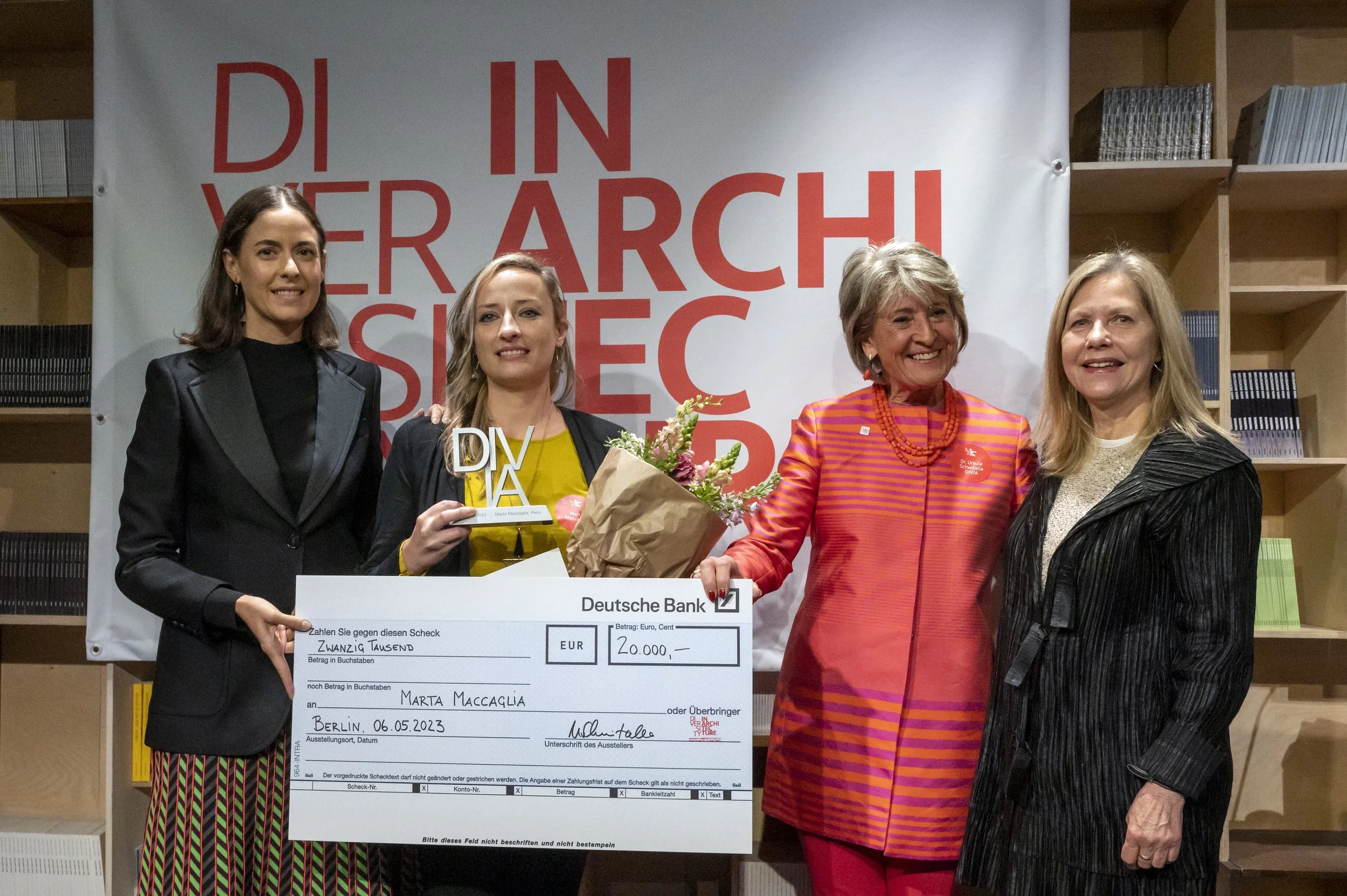
Juror Sol Camacho, the DIVIA 2023 winner Marta Maccaglia, Ursula Schwitalla, and juror Martha Thorne in 2023 in Berlin.
You also founded an awards program; I’ve been following DIVIA for several years now and am very glad that such a program exists. Why an award program? Can you tell me about the impact you’ve observed since its launch?
Books are welcome, but an award means even more—which is why in 2021, I founded with my partners, the NPO Diversity in Architecture to offer the first award for international women architects in Germany every two years. We wanted the award to open people’s eyes to women in architecture who were not yet internationally known, who come from regions overlooked by our academia, or who cannot work under the same Western privileges. But I never wanted to honor just one winner. With an independent, internationally high distinguished jury—Martha Thorne, Odile Decq, Rahul Mehrota, Sol Camacho, and Itohan Osayimwese—we not only select the winner, who receives a substantial cash prize, but we honor all six finalists in a catalog, also published by Hatje Cantz, and through a traveling exhibition.
In terms of impact, we observed that our first winner, Marta Maccaglia in Peru, not only received incredible attention in her country but she was also able to use the prize money to advance her project—building schools and community centers in the jungle together with the local people—and received new financial support from the government. Toshin Oshinowo from Nigeria, a 2023 finalist, gained international attention through our presentation and was invited to participate in SKY-Frame’s second documentary, Women in Architecture.
The DIVIA Conferences, which bring together female scholars, students, and architects to discuss specific topics in the years between the awards, also make an important contribution to raising the visibility and recognition of female architects in history and the present, both in academia and in the profession.
“The contributions of architects that are women are an integral part of our culture and provide important impetus for the major societal upheavals that lie ahead. The female perspective on this is not just an asset, but a necessity.”
Now let’s go back a little bit—what did you study, and what were you hoping to do in the world at this time?
My first degree is in history, political science, and geography — I wanted to teach at a high school. When I received an offer shortly thereafter to work at my university in the Collaborative Research Center “Near East,” I was happy to return to academia and simultaneously completed my studies in art history with a PHD.
I have always been a politically-minded person, and an interdisciplinary approach is of great importance to me and has shaped me from the very beginning. This also applies to my focus on architecture: it is a social discipline that must serve people and not the self-promotion of architects.

The DIVIA Award in Stuttgart, 2025. Photography by Atelier Pohlers.
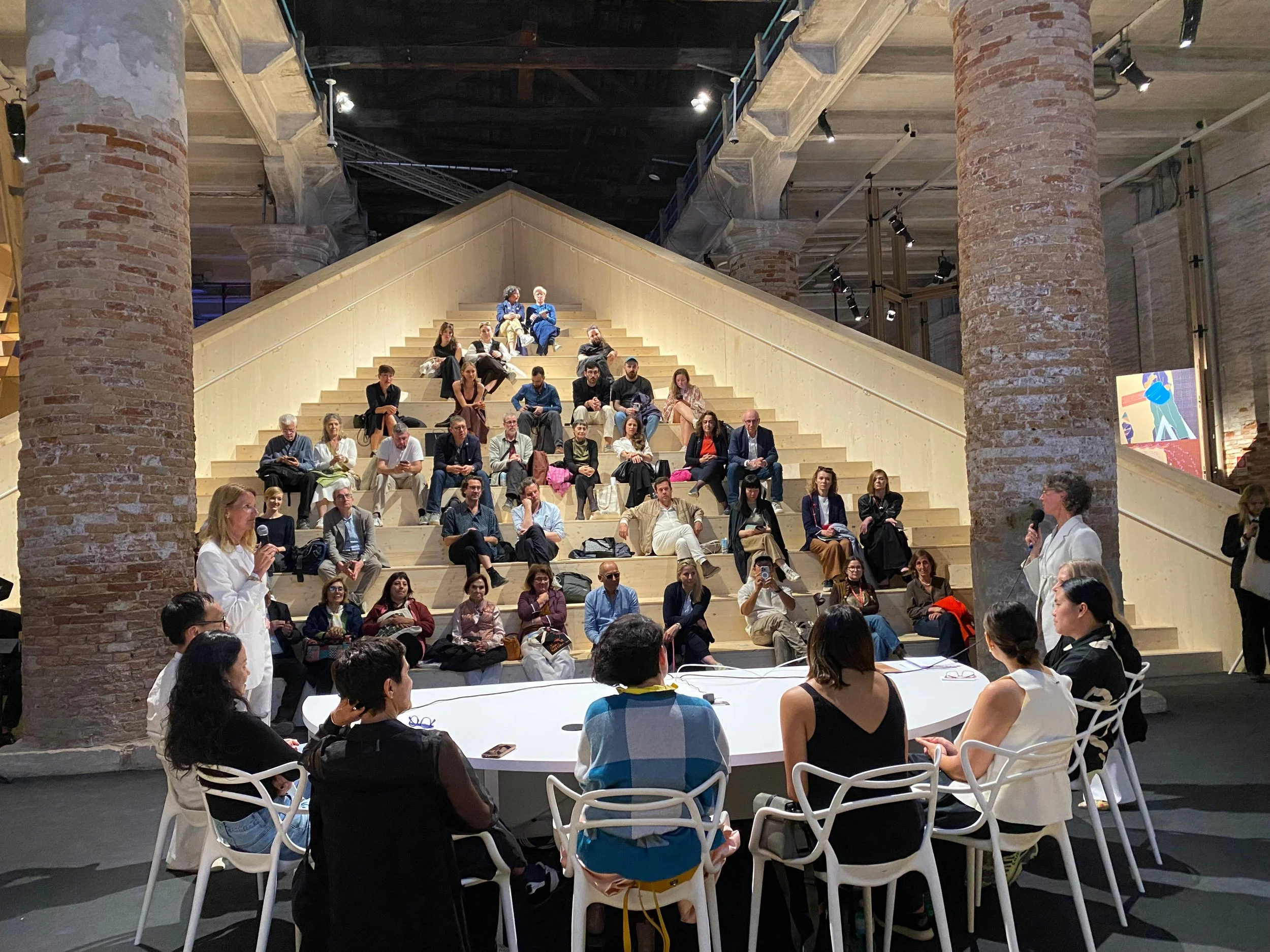
A DIVIA Panel in Venedig. Photography courtesy of DIVIA.
What was one of the best pieces of advice you received early on that shaped your approach to your work and career?
To think in terms of an interdisciplinary team and to work toward an architectural community characterized by diversity, equality, and solidarity.
Tell me about your most significant professional experiences and what you learned from them that you still apply today.
Knowledge grows through mistakes and their correction, which I learned from the philosopher Karl Popper. In teaching, it has always been a joy for me to inspire enthusiasm in students or listeners for cultural insights. Only when you yourself are on fire you can inflame others.
Looking back on all of this, what were the greatest challenges? How did you deal with perceived disappointments or setbacks?
The greatest challenge was working in a field of research where men were in charge and supported one another. Unfortunately, women don’t experience that same level of support. The answer was to build your own networks, fight against structural discrimination, and celebrate victories.
“...build your own networks, fight against structural discrimination, and celebrate victories.”
Who were your mentors during this time?
In addition to mentorship within my own family—my husband is a feminist and my two sons are wonderful discussion partners—it was important for me to have role models and the good fortune to have a male colleague who was already emeritus on my side.
Who do you admire right now and why?
My favorite person to mention is Lina Bo Bardi, the Italian architect who emigrated to Brazil after World War II with her husband, the art dealer Pietro Bardi, and who not only built museums that fostered the cultural identity of the brazil population, but also the Fábrica da Pompéia, a great cultural and sports center for all residents of the neighborhood. Architecture is a social discipline!
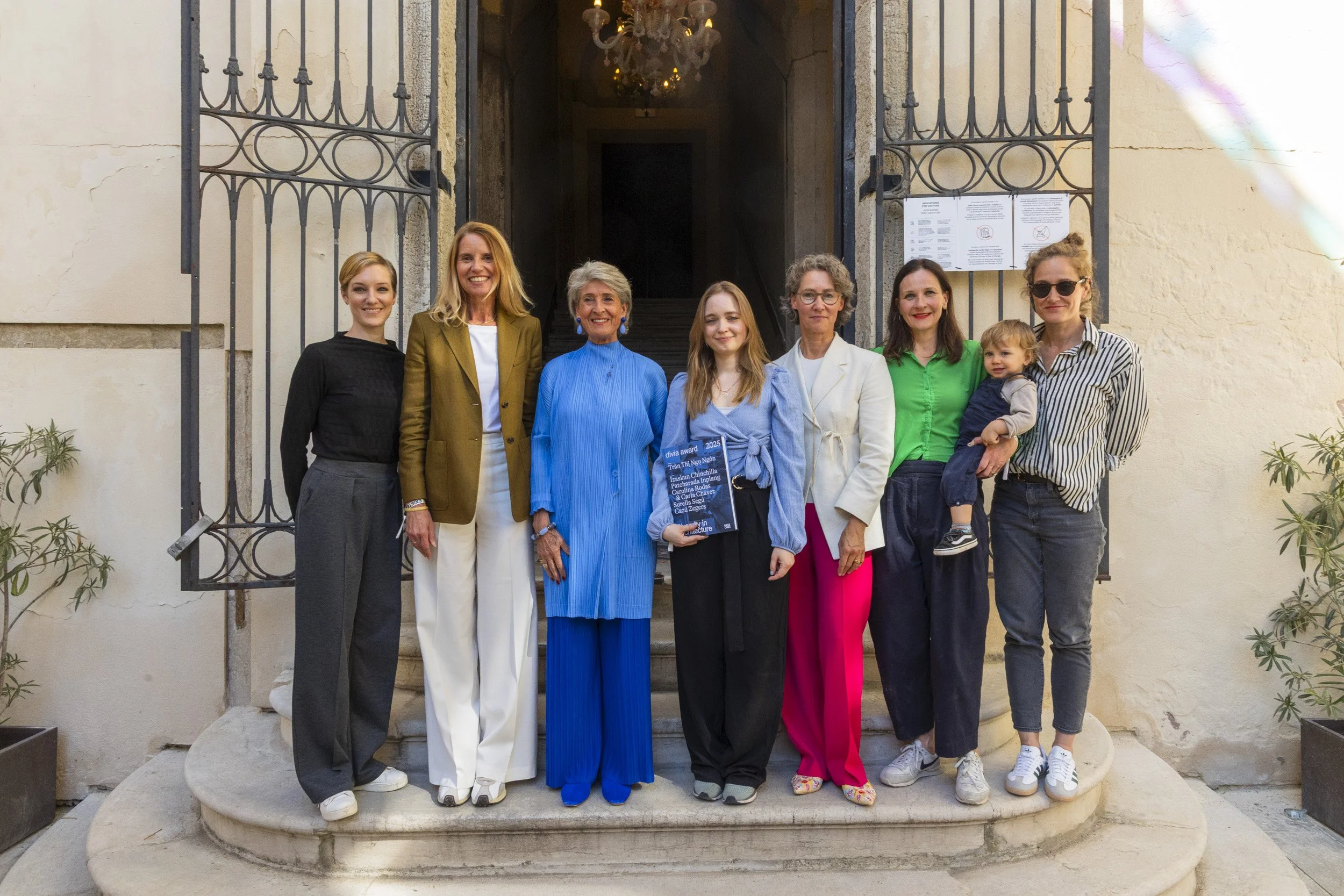
The DIVIA team.
What kind of impact would you like to have on the world? What is your core mission? And what does success look like to you in this context?
We have only limited influence, but I want to keep learning and contribute a small piece to the mosaic of equality, recognition, and solidarity. My personal success is the growing recognition and success of women, especially in architecture, for which I fight as a passionate and energetic volunteer and for which I hope to win over many fellow campaigners.
Finally, what advice do you have for those just starting their careers? Would your advice be different for women?
Young women need to find the right partner, identify role models, pursue your goals with self-confidence, and not automatically accept the traditional caregiving role. And, share your professional and personal lives. Our society cannot do without your creativity and your potential.
This interview has been edited and condensed for clarity.
A note from Dr. Schwitalla: DIVIA is an independent organization, but it needs support; therefore, I invite anyone interested to become a member of DIVIA and help promote our work internationally: www.diversityinarchitecture.de