Networks of Support: ArchiteXX's co-founder Lori Brown on Building a World That Supports the Greatest Number of People Possible
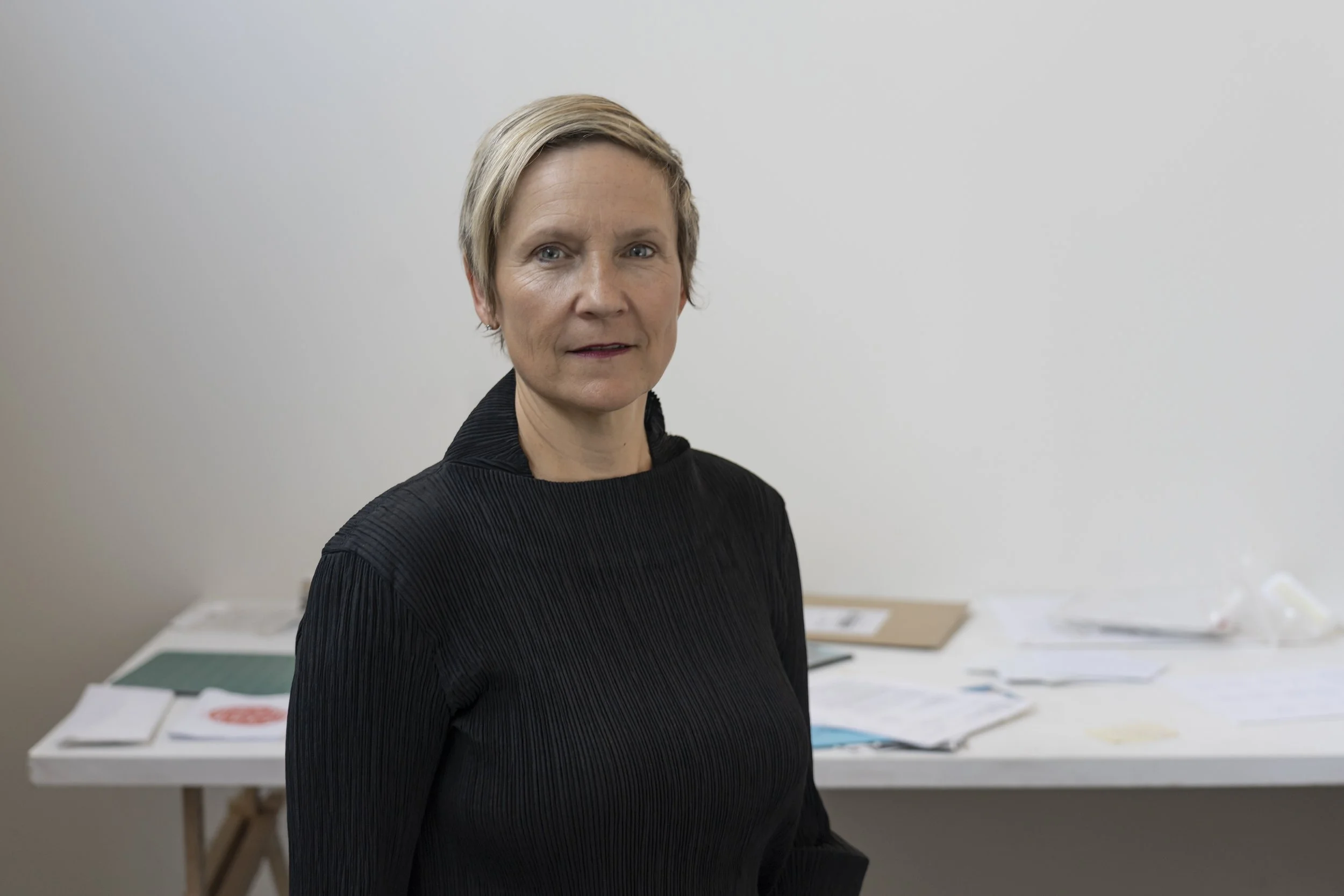
Lori Brown by Laura Heyman.
By Julia Gamolina
Through design research, writing, and advocacy, Lori A. Brown, is transforming architecture into a more diverse discipline that responds to contemporary social and political conditions while raising awareness of women’s contributions to the built environment. Her body of scholarship is disseminated through research publications, exhibitions, design, public lectures, and advocacy. She co-founded ArchiteXX, a gender equity in architecture organization, is a Fellow of the American Institute of Architects, and a Distinguished Professor at the School of Architecture Syracuse University.
JG: You’ve been working on a very comprehensive encyclopedia on architects that happen to be women. Tell me about this project, and where you feel we are in terms of women’s advancement, today.
LB: The encyclopedia was ten years in the making, and would have come out two or three years earlier but Covid made it come together at a slower pace. In the interim since we started, there have been a number of publications that have come out, some of which reference the initial ideas and some that don’t. This work is a transnational collection of women’s contributions to the built environment. Global in scope, we have area editors that are experts in different regions of the world. Karen Burns and I as co-editors were really interested in and encouraged expertise on the ground to inform who is included.
We were aspirational in how we defined architecture, so it’s not only about buildings, it's also about women’s contributions more broadly, which extends from conservation and historic preservation, to teaching and educating, to curation and critique. In terms of scholarship, it’s the first publication in English of this scale – there are over eleven hundred women included – and there are area introduction editors who situate the reader in the global, economic, political context in the period we chose to focus on, 1960-2020. This context focus demonstrates how women practiced quite differently – for example, we found that women in the former Soviet Republics and Russia were practicing at scales unheard of in other parts of the world. We’ve also started to keep a list of all the new projects that have been started since the creation of this book.
Why did you choose to start in 1960?
At the beginning, we were overwhelmed to think about how to start and end a project like this. There has been a lot of work by historians outside of architecture about the global 60s, a rather new term coined as there was so much happening politically then with decolonization and independence. The 1960s then became a good point of departure to think about how women are connected to agency within these political contexts. So the time period we focused on was about situating architecture within a significant moment in global history. We looked outside of architecture to help position us within architecture.
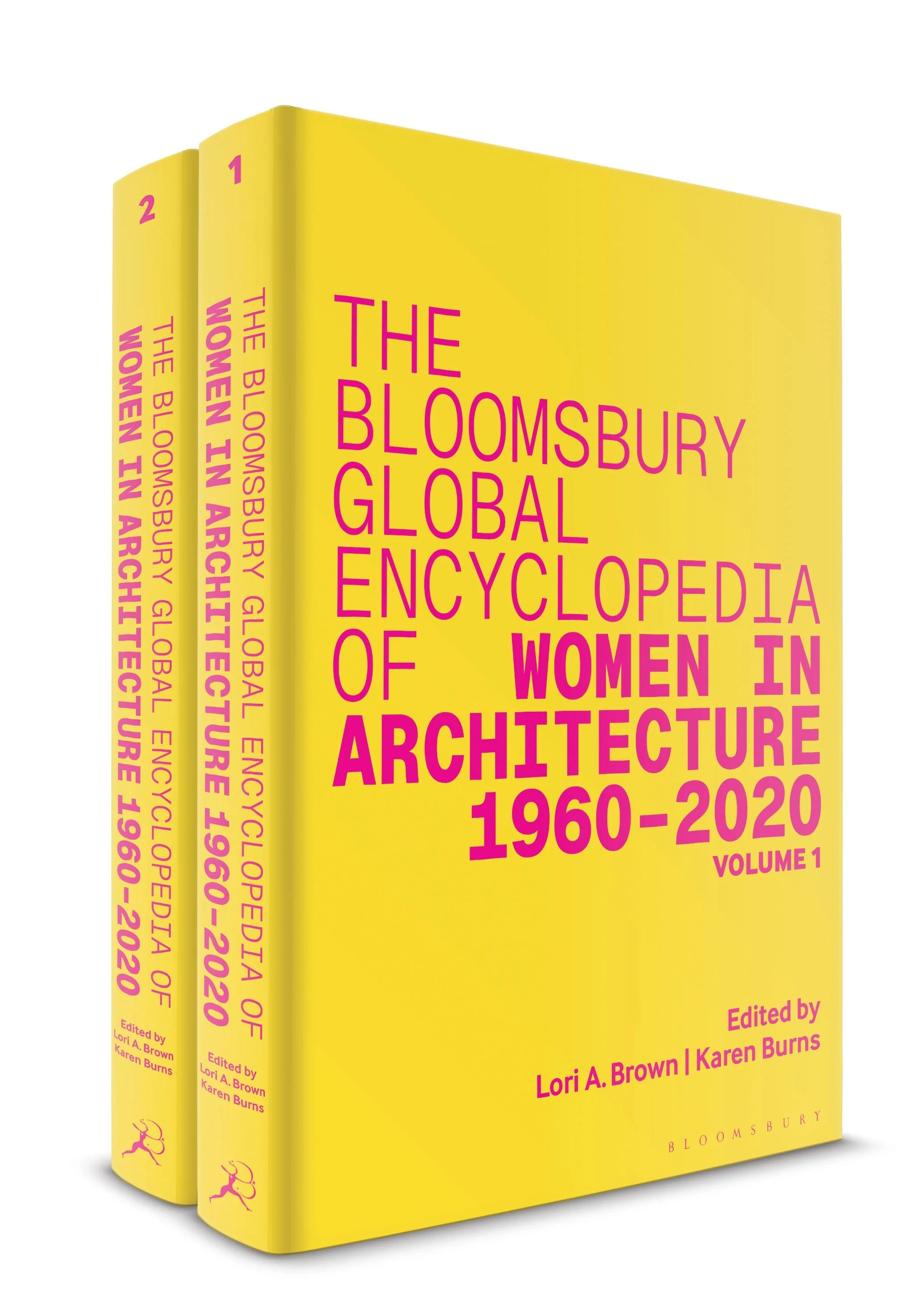
The Bloomsbury Global Encyclopedia of Women in Architecture, 1960-2020. Lori A. Brown and Karen Burns, editors (2025 digital, 2026 print).
Let’s go back a little bit, to ArchiteXX, an organization you co-founded which has completely changed my life! I was a fresh graduate when I arrived in New York City, and all of my girlfriends from college moved everywhere but New York, so when I came to the city, I didn’t know many people. And so when I first heard about ArchiteXX because your co-founder Nina Freedman was a professor of mine, I went to everything – all of the happy hours, the early retreats, the mentorship sessions, and that really paved the way for what would become Madame Architect. What was happening in your career and in the industry at large that led you to start ArchiteXX with Nina?
I went from practice in New York City to tenure track at Syracuse University in 2001. I found, in a similar way that you describe, there wasn’t a large network of women architects and especially not between female academics in architecture, both at Syracuse and more broadly. I was in need of creating a network system for my own mental health and my ability, and also in response to my students! Students were coming to me and asking why they weren’t learning more about women architects in their courses. And that was one of the most pivotal questions that I encountered because it made me realize, similar to my education – I also had not been exposed to very many women, both as educators and as content – and so I thought that I can no longer only feel empathetic towards it, and that as an academic I now needed to do something about it.
That first started with the Feminist Practices exhibition and publication, which then led to some events at the Van Alen Institute, which is how the beginnings of the organizing around ArchiteXX started. There were gaps in the support systems that I wanted and that my students needed and so I was working to create something that was missing in all of our lives. There were of course women in architecture organizations that had existed and that continued to exist, but there wasn’t one that worked to bridge between the academy and practice, and that was what distinguished ArchiteXX.
“The built world reflects what we as a society value, and it has to become better for our populations.”
There have been a couple of people who have said to me that they don’t believe women should be featured on platforms only for women. For me, until there is complete equity in a rebalancing of the historical record of the stories that have been shared, there is absolutely a need for these spaces. What do you say to that?
People who make those kinds of comments are in a very privileged position where they may not need or understand the value of those spaces because they somehow could operate outside of them. There have always been those privileged few. I would argue they don’t understand the privilege that they’re occupying.
I’m in complete agreement that until there’s equity – and that would be in terms of labor, representation, leadership, pay, and at all levels – that there is still a need for women to organize. Otherwise, it’s not going to happen! And even with all of our efforts, change is glacially slow. We have to have these spaces, awards, and visibility. Like it or not, there are architects who are women. And as the stats still show, there still isn’t equity for women throughout their careers.
Back to you, what were you hoping to do in the world in your pursuit of a career in architecture? What did you learn in studying architecture?
My dad, his father, and his brother were all in contracting and engineering. I had been in the building trades all my life, but I never quite understood the role that architecture played. Like most people who go into architecture, I excelled at math and I enjoyed art, and that equated to people telling me to study architecture. I also aspired to change people’s lived experiences. I think the built environment matters so much, and matters for everyone, not just those of immense wealth. I became more and more interested in how architecture could participate in everyone’s daily life.
Graduate school exposed me to feminist art and feminist art practices, as well as a little bit of feminist architectural writing. But it wasn’t until I got into practice that I realized the projects I was working on were for the incredibly wealthy. So in my off hours, I invested in the passion projects I had for working with underprivileged people in New York City. I always loved education, I loved being a student, and I was also always interested in becoming a professor. Seeing my professors also have their own firms was inspiring and I was intrigued by that model. Then, a former professor of mine called me up and invited me to come teach – he was at Clemson at the time and I had gone to Georgia Tech for undergrad – so I thought I’d try it for a semester and then it totally changed my life. I loved teaching and it set me on my path. And then years later, I realized that being in academia is what allowed me to take on projects that were more politically aligned.
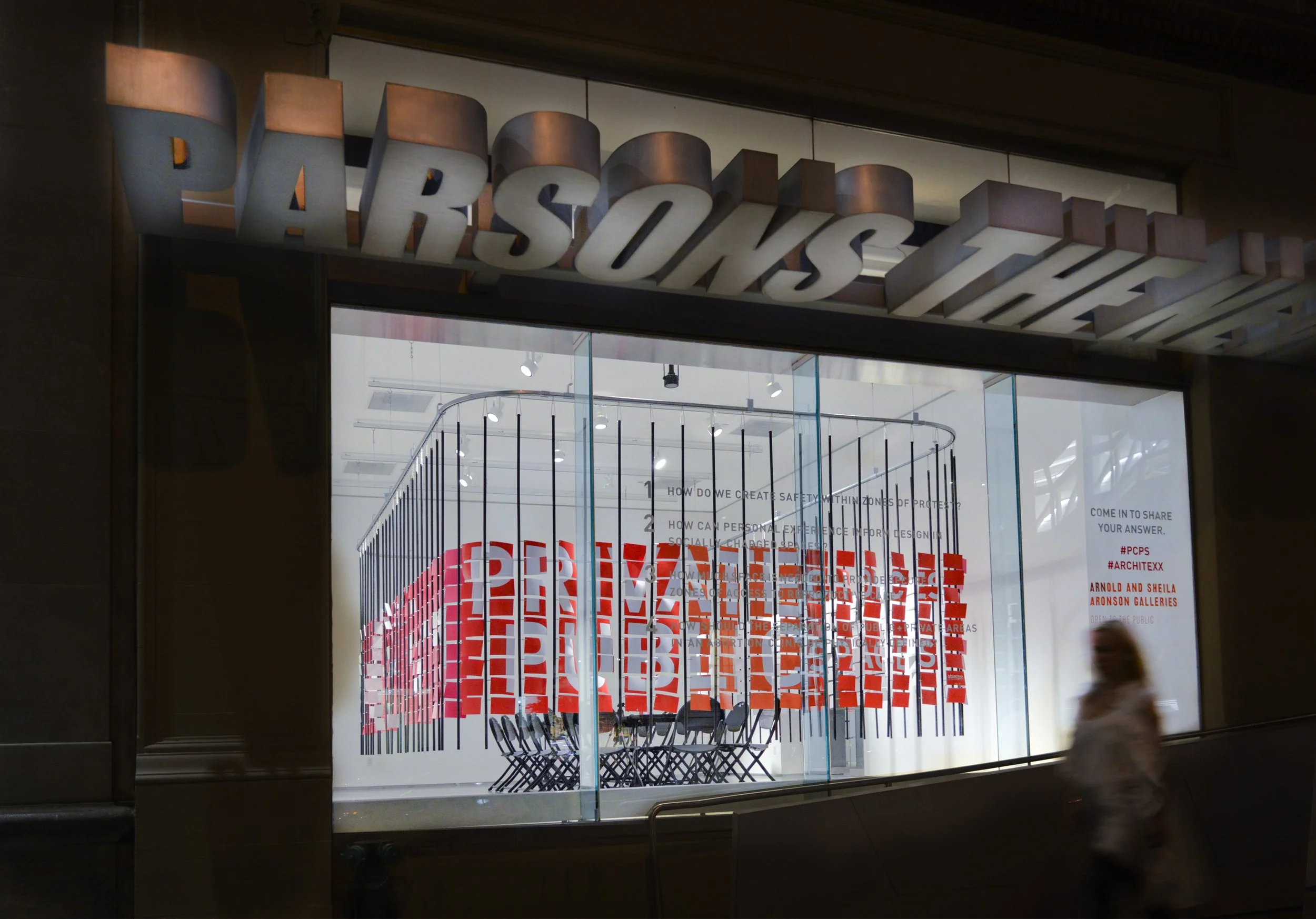
Private Choices Public Spaces, curated and organized by ArchiteXX, curated and organized by Lori A. Brown and Kimberly Tate. The Sheila C. Johnson Design Center Arnold and Sheila Aronson Galleries at Parson’s The New School for Design NY, NY Sept 18 – Oct 2, 2014. Photography by Ashley Simone, 2014.
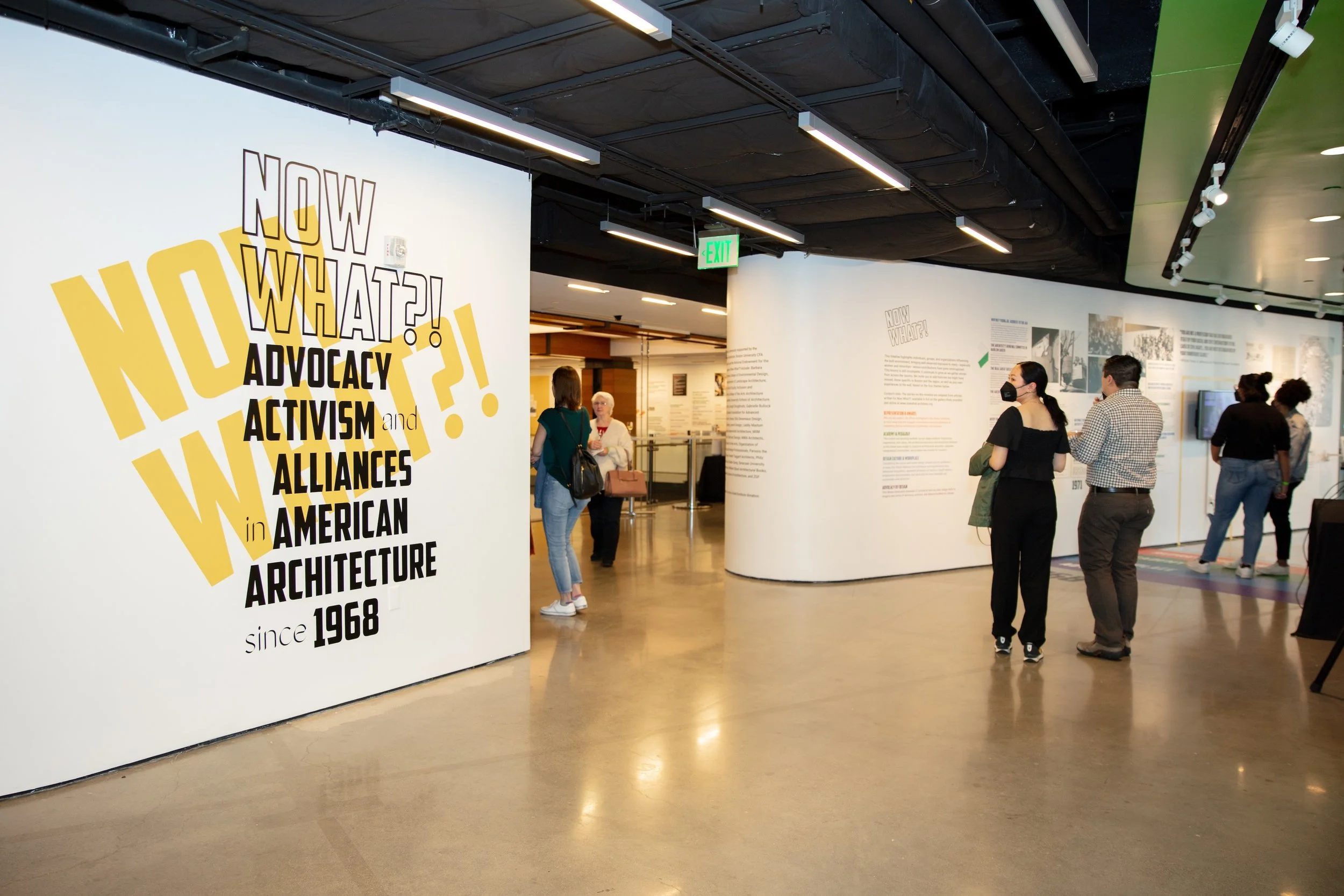
Now What?! Advocacy, Activism + Alliances in American Architecture since 1968 curated and organized by Lori Brown, Sarah Rafson, Andrea Merrett, and Roberta Washington with ArchiteXX. Boston Society of Architecture, Boston, MA, March 8, 2022 – December 2024. Photography by J. Mach, Artists for Humanity, 2022.
Can you tell me about some of these projects?
Being really interested in the politics of space, I decided to explore the relationship between architecture and reproductive healthcare. I became aware that this was a space where very few architects were engaged in – it's just so politicized within the United States as well as other parts of the world. When I interviewed abortion providers across the country, I learned that they had very rarely, if ever, worked with an architect. This opened up ways to provide design services for different clinics, and in the South too when abortion was still legal in states like Alabama and Mississippi. Then I transitioned to working with a doctor in Alabama, Dr. Robinson, who has opened a birthing facility but has encountered a lot of challenges around birthing access and building codes.
This work made me very aware of how building codes and bureaucracies around buildings have been used around the country to prevent those kinds of spaces from being built. One would imagine birthing would be something that’s so embraced, but because Dr. Robinson is trying to provide these services primarily – but not exclusively – for women of color without many means, the racial component of this has made providing care quite difficult. It’s been a way to put my politics into practice and for a creative research practice to have multiple avenues of production, research, and public engagement.
What have you found some of the biggest challenges in your career to be, and how did you manage through them?
I remember early on, Wanda Bubriski – when she was the Executive Director of the Beverly Willis Architecture Foundation – she said, “You know, doing this kind of work may make it challenging to find other jobs, if you want to be more mobile.” And at the time I thought, “Oh, that’s ridiculous,” but now I wonder sometimes. I wouldn’t change anything, but sometimes when you look backwards and reflect, you see how the choices that you’ve made influence where you end up.
It’s also challenging in terms of leadership opportunities within institutions. I’ve thought a lot about the role institutions play in who they promote, mentor, and encourage upward mobility of. I know so many women in academia who have had incredible challenges in their careers because of the kind of work they do, or because they're quite outspoken. The academy mirrors the profession in some ways and academia is really hard.
“Cultivating networks of support at your peer group and above is incredibly important, so that you have people to reach out to, to talk with, and to brainstorm...Sometimes it’s easy to get mired into your moment and not see all of your strengths or where your potential may be. ”
Why is that?
The more people speak truth to power, it challenges those systems of power, and systems of power don’t like to be challenged. When I hear from colleagues from around the world about how challenging some of their careers have been, it's not isolated.
At the same time, I don’t want to sound negative. I’ll never forget a younger colleague of mine, who had just finished her master’s degree at the time, asking, “Why didn’t any of you tell us this?!” That has stuck with me. I remember being very cognisant of not wanting to negatively influence younger students or recent graduates, because you can do anything! But you also have to have immense will and a thick skin to do those things. And it's important to take the individual out of these structural problems.
I felt the same with my Professional Practice students at Pratt – I was always toeing the line of not wanting to discourage or sound negative, but at the same time, giving them a glimpse of the realities of professional practice. It’s a thin line.
Did you have any mentors?
I definitely did. I had one female faculty member in undergrad, in design studio, and in graduate school, I had no design studio female faculty.
I only had one female design studio professor, in ten semesters, as well.
Besides the one female design faculty member, my mentors up until becoming a professor were all men! Rob Miller was an undergraduate design studio professor for me and remained a mentor and friend and has given me so much good advice. He really helped me think through decision making at these moments of transition in my life. Everyone needs mentors, and support, and networks of solidarity, both at your own level and then those who have taught you and who you have worked for. I think it's important that you cultivate that for yourself though; we can’t only rely on people’s good graces to be mentors. It’s a two-way street. Even today I seek out mentors.
Who are you admiring right now?
I was the Jubilee Professor at the Chalmers University of Technology in Gothenburg, Sweden and that was an opportunity to get to know some of the principals at White Arkitekter. I think they’re doing amazing work, especially in the maternal healthcare sector. The structure of the firm is really interesting, and the way that they think about ownership and engagement with their staff.
Rebecca Solnit is another person – I really appreciate her voice in the world and her critique of what she is seeing and how she sustains hope.
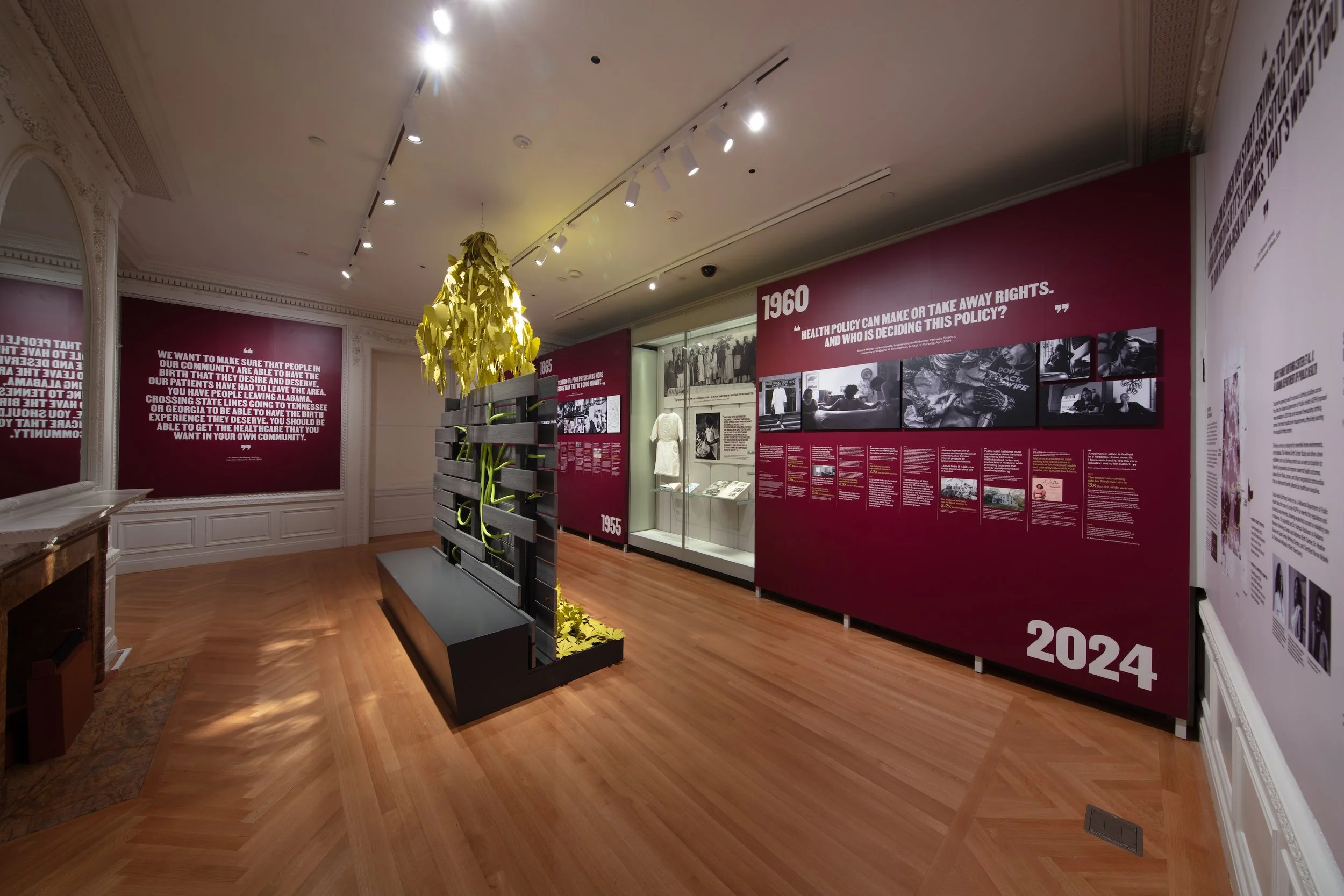
Making Home—Design Triennial at the Cooper Hewitt Smithsonian Museum of Design in New York, 2024-2025. Birthing in Alabama: Designing Spaces for Reproduction. Photography by Elliot Goldstein © Smithsonian Institution, 2024
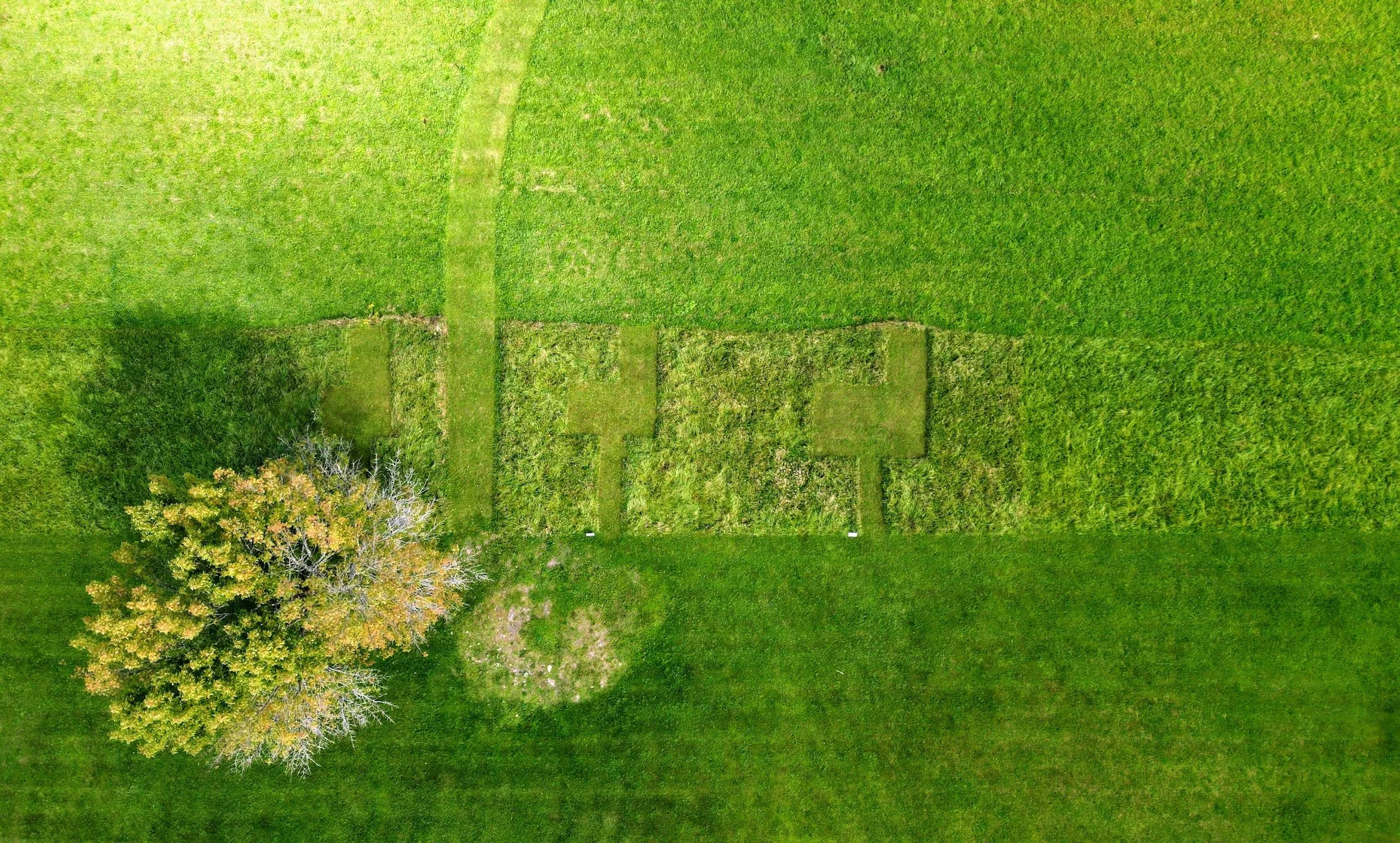
Rooms for Birth, Stone Quarry At Park, Cazenovia, NY, Summer – Fall 2025. Photography by Laura Reeder, 2025.
What would you say your mission is? What’s the impact you’d like to have?
I want to make the world a better place, to raise awareness of women’s contributions, to support the future generations of architects, and I’d like the built environment to support the greatest number of people possible. I aspire to do that through the kinds of projects I take on, and want to scale that work as much as possible. The built world reflects what we as a society value, and it has to become better for our populations.
What advice do you have for those entering the field, looking to pivot, going through a challenge – all of that.
Reach out to people that inspire you. Cultivating networks of support at your peer group and above is incredibly important, so that you have people to reach out to, to talk with, and to brainstorm. Career coaches are also critically important to help you through those moments and help you see things from different perspectives. Sometimes it's easy to get mired into your moment and not see all of your strengths or where your potential may be.
This interview has been edited and condensed for clarity.