Radical Welcoming: Equity by Design's Rosa Sheng on Persistence, Side Passions, and the Power of the Collective
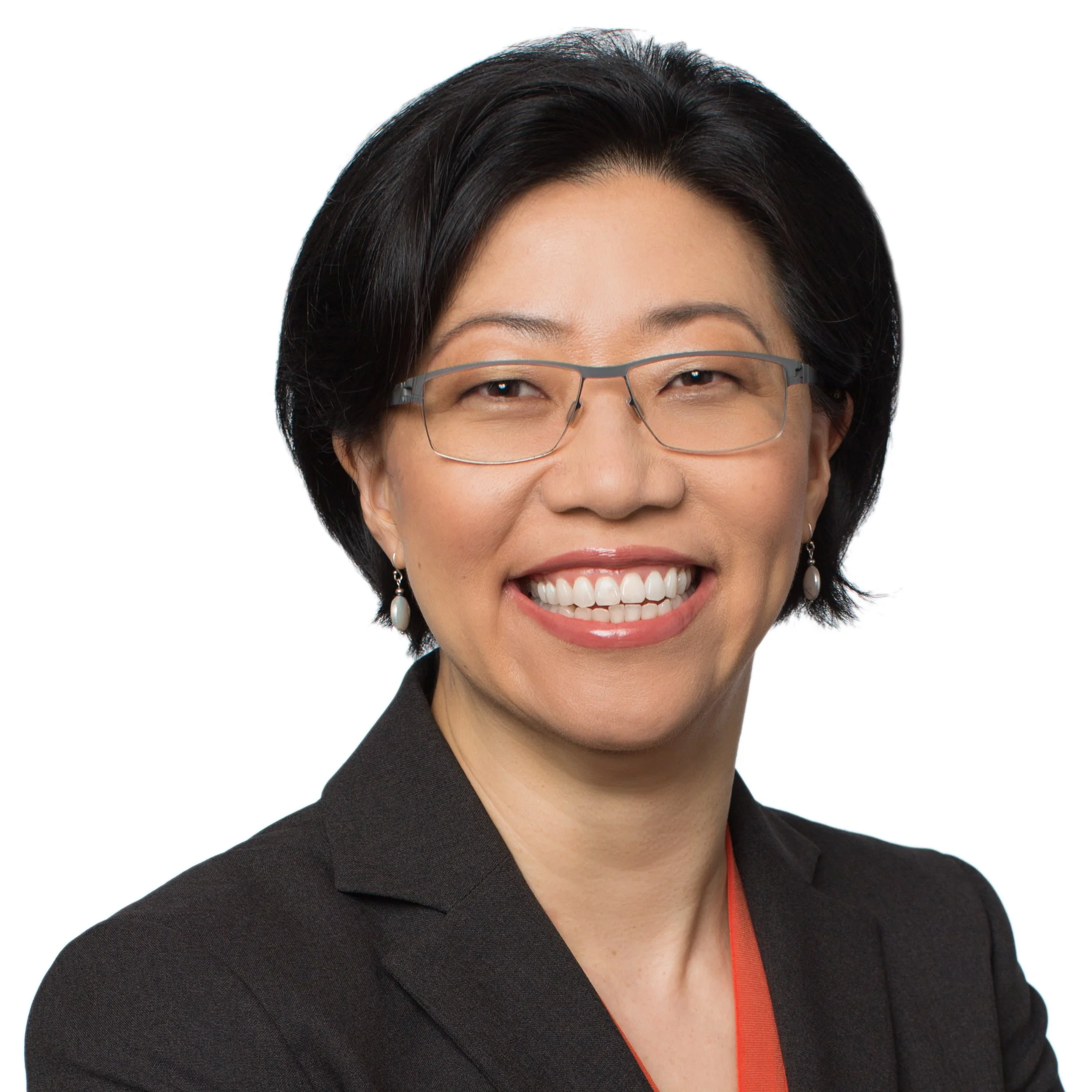
Rosa Sheng, courtesy of SmithGroup.
Julia Gamolina
Rosa T. Sheng, FAIA, LEED AP BD+C, is a Vice President at SmithGroup, leading the Higher Education Studio in Northern California and serving as national Director of Justice, Equity, Diversity, and Inclusion. Founder of Equity by Design, she is recognized for advancing transformative, mission‑driven architecture that fosters equity and student success. Her award‑winning portfolio includes UC Davis’s Teaching and Learning Complex and STEM facilities across California, reflecting her commitment to designing environments that elevate future-ready learners.
JG: Let’s set the scene – you’ve been dedicated to equity in our field for a long time, and here we are in 2026. Based on all you’ve seen, where are we today as it relates to equity and especially gender equity?
RS: In terms of how far we have come and where we need to go, it is almost like a loop de loop ride. We make advancements and then we see the major setbacks. And not just public backlash perceptually with things that we know to be grounded in truth, humanity, and values - but we see that with even the recent attempt to pass the Save America act with voting, and taking away voting rights if you’re married but haven’t changed your name. We are in a moment of active backlash.
There are things that we can do collectively, and I don’t mean “we” as in just women. I mean all of us who care about being human and being connected and doing the right things for our livelihood and equitable access to opportunity. In terms of what we can do, I draw a lot from what we did in the past decade. Back then, so many of us were afraid to speak up at our firms for fear of being fired, but we found alternative and grassroots ways to connect with each other. And today with technology, and while people are afraid of AI, there’s still a power to connect and use various tools to resist, stand our ground and maintain the things that we think need to happen in the built environment. It’s always a continuum.
Can you share a moment of when it clicked for you that advancing equity is something that you personally wanted to focus your energies on?
Yes, that moment occurred when I was considering quitting architecture in 2009. All of us were going through a terrible recession and after having my second child, coming back from maternity leave, things felt very unstable. I also felt very restricted in what people thought I could and couldn’t do. And at first, I thought it was just me, but I went to the AIA San Francisco “Missing 32%” conference at the time, which became “Equity by Design” and realized that I’m not the only one, and there are other people out there having a range of experiences whether similar or far worse.
At that conference, I remember seeing the power of the collective in gathering, sharing information and best practice strategies, and creatively tackling what we observe to be drastic inequities. That’s when I knew I wanted to dedicate myself to this work.
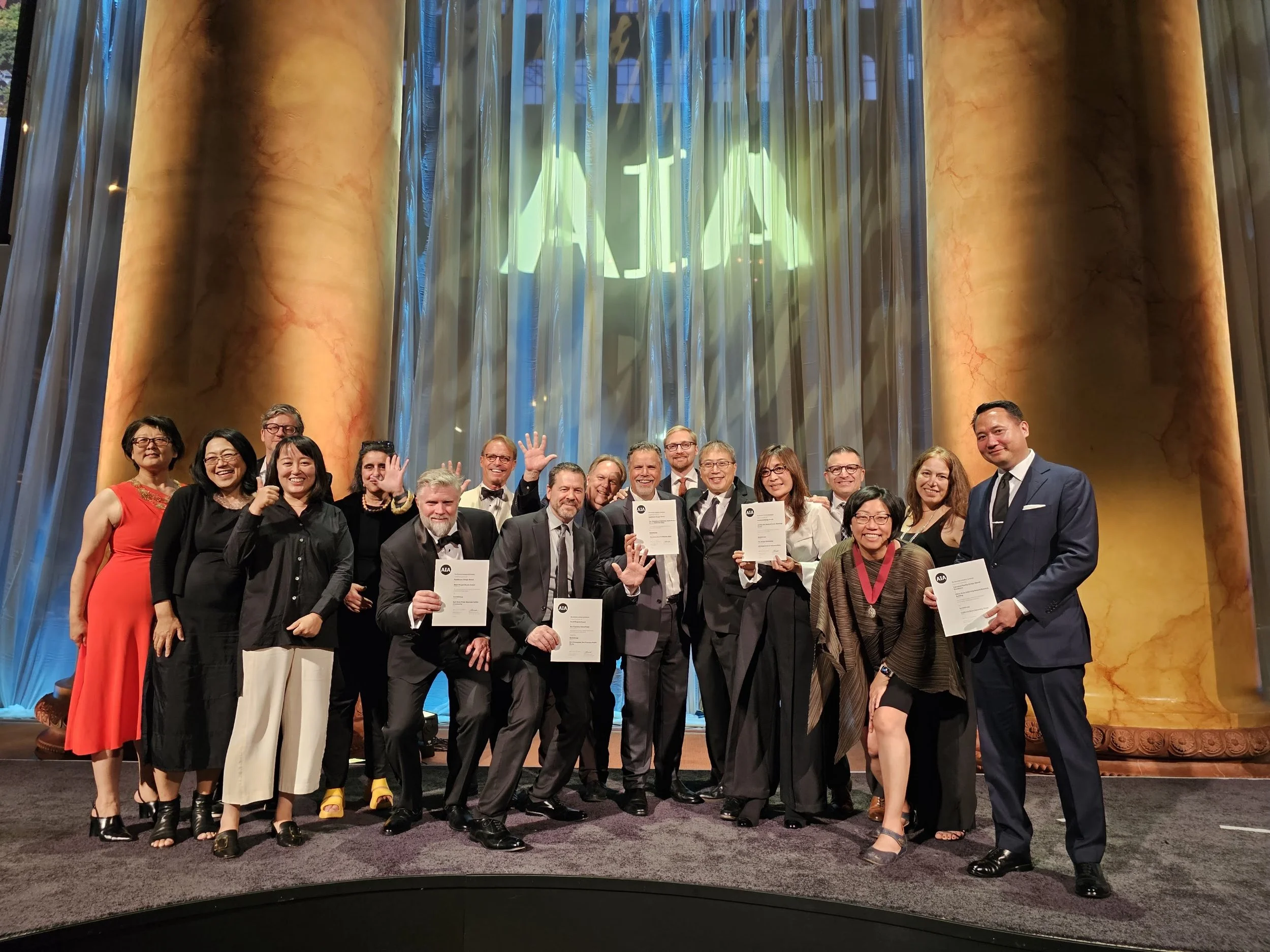
AIA National Honor Awards 2024 where SmithGroup received five, including recognition for Chico State Natural Sciences Building. Photography by Desmond Rice.
Do you also remember the specific experience you had where you decided that architecture was what you wanted to pursue?
I was nine years old and visiting my grandparents in China. I grew up in suburbia where the architecture wasn’t very inspiring, and I thought that the concept of architecture was limited to malls. My experiences in China completely shifted my mindset. Seeing the Forbidden City and the Great Wall, and learning about my grandparents’ educational references about these projects representing dynasties of civilization lasting beyond one person's lifetime, I realized that architecture has a profound impact in shaping society and community. I thought that was so cool and I wanted to contribute to the shaping of society, ultimately to be more humane, interactive, and collaborative.
In studying architecture, what did you take away that still informs your approach and your work today? What do you think could be improved upon?
The best part of architecture school for me was the cohort, the group of students with whom you spend time for most of your day and week due to the time demands of studio. The cohort led to all of us experiencing different ways of thinking and a very positive and creative exchange. I felt very inspired. Also, our collaboration with some of the professors was amazing, and their dedication to being there and coaching us through some of those difficult roadblocks to get to the “aha” moment. It’s through that iterative, productive struggle that you learn that it's ok to fail and that is just part of life. I think about this all the time now in my work for higher education learning environments, how we translate the positive culture from architecture school to engineering or other STEM fields where discovery and innovation relies on failure on a regular basis, and they need to know that it's OK.
Some of the things from architecture school that we still need to continue to rally and advocate for to change are the long hours and the hazing – I still hear about the put down language that professors use during critiques, as I mentor a few students, and they’ve talked to me about how that language ultimately becomes personal. Critiques should be about the work and I wish we would transition out of that culture of personal judgement and into more of a productive struggle mindset.
“I remember seeing the power of the collective in gathering, sharing information and best practice strategies, and creatively tackling what we observe to be drastic inequities. That’s when I knew I wanted to dedicate myself to this work.”
Touching on your work, what are some of the projects throughout your career that you’re most proud of?
The Pixar Animation Studios was the first project I worked on in California, and it was all about innovation, collaborative impromptu engagement with others, and the sharing of ideas. That advanced to prototyping the Apple retail flagship stores, and there was a focus on innovation in a technical way in terms of things that didn’t exist before structurally. The idea that just because something doesn’t exist today doesn’t mean that we can’t imagine it for tomorrow was a big driver for how we thought about our projects, and we always tried to be persistent in the discovery and iterative process to get there.
For higher education learning environments today, we always try to give students that “home base” that we had in architecture school, so that whatever building they go into on a campus, they feel that they have that home base and community to help them through their education.
What was some of the best advice that you got early on in your career, and who were your mentors?
I was always inspired by Steve Jobs’ philosophy of “Why not?” towards things that were perceived as something that couldn’t be done. He was always asking us, “why not”? multiple times when developing new design ideas, and I really adopted that for my work. That has helped me break through some of the norms and barriers that have been created and accepted in our field.
In terms of women that are architects, there is a cohort within AIA and my professional spheres that is active, tremendously vibrant, and incredibly open to others coming in, and I always draw energy from that group coming together. Every time we all gather together, no matter how busy we have been, it's just incredibly reinvigorating and really feels like a sisterhood of collaboration and support.
Here at SmithGroup, I was so fortunate to collaborate with a leadership team, predominantly women – Office Director Joyce Polhamus, Director of Operations Roxanne Malek, and Studio Leaders – for nearly six years. This period changed my life. We were always thinking about how we could do better by each other, push each other, and support each other in practice. There were things that I thought would be impossible for me to do, and they told me, “You’ve got this.” Now, passing that on to future leaders who may not believe in themselves in this way just yet has been invaluable. Everyone needs to hear, “You’ve got this,” and “It’s not a matter of if, it's a matter of when.” That persistence mindset is particularly important.
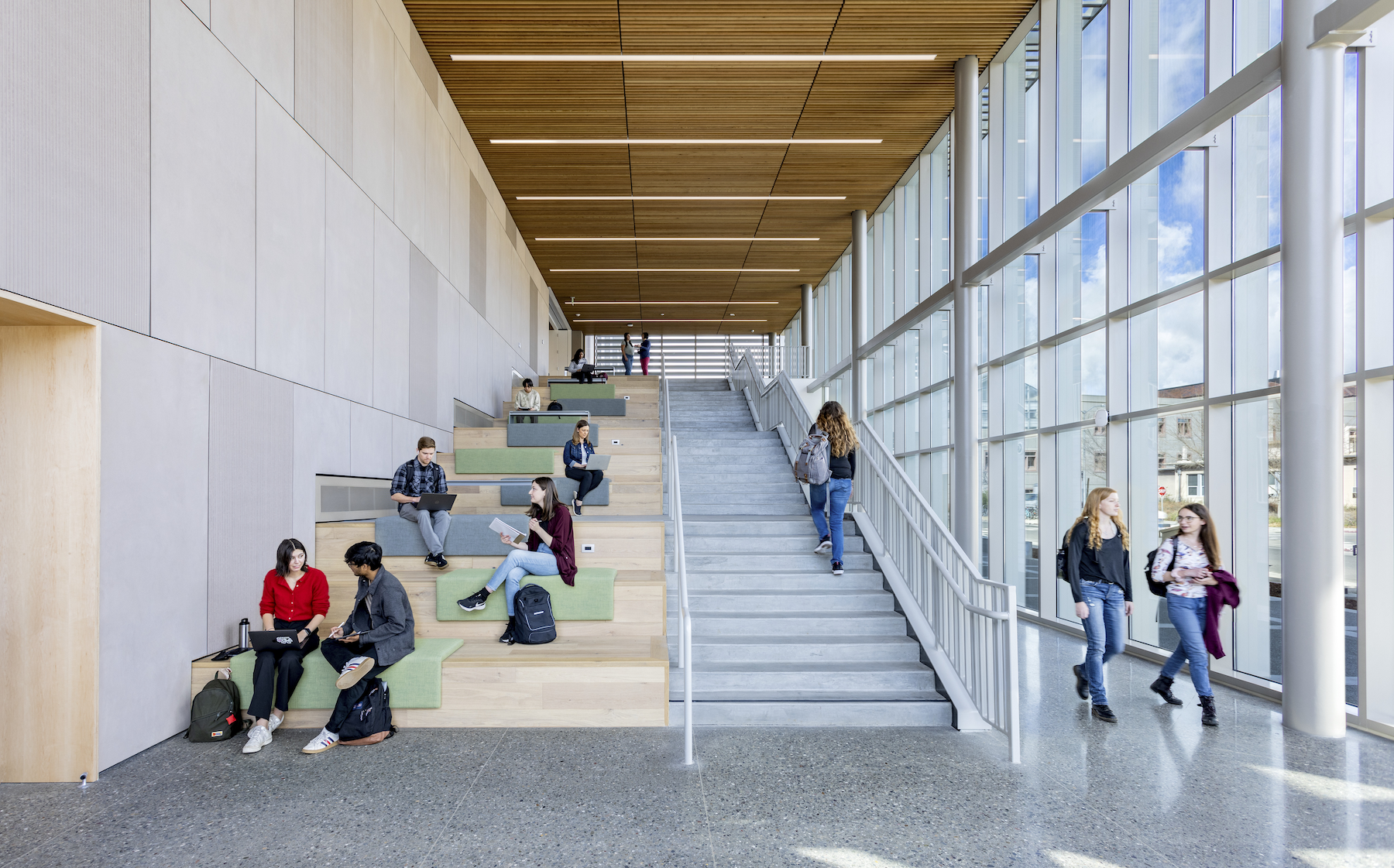
UC Davis Teaching and Learning Complex demonstrating SmithGroup’s radical welcoming approach — inviting student feedback inspired padded stadium seating and more plug points. Photography by Emily Hagopian.
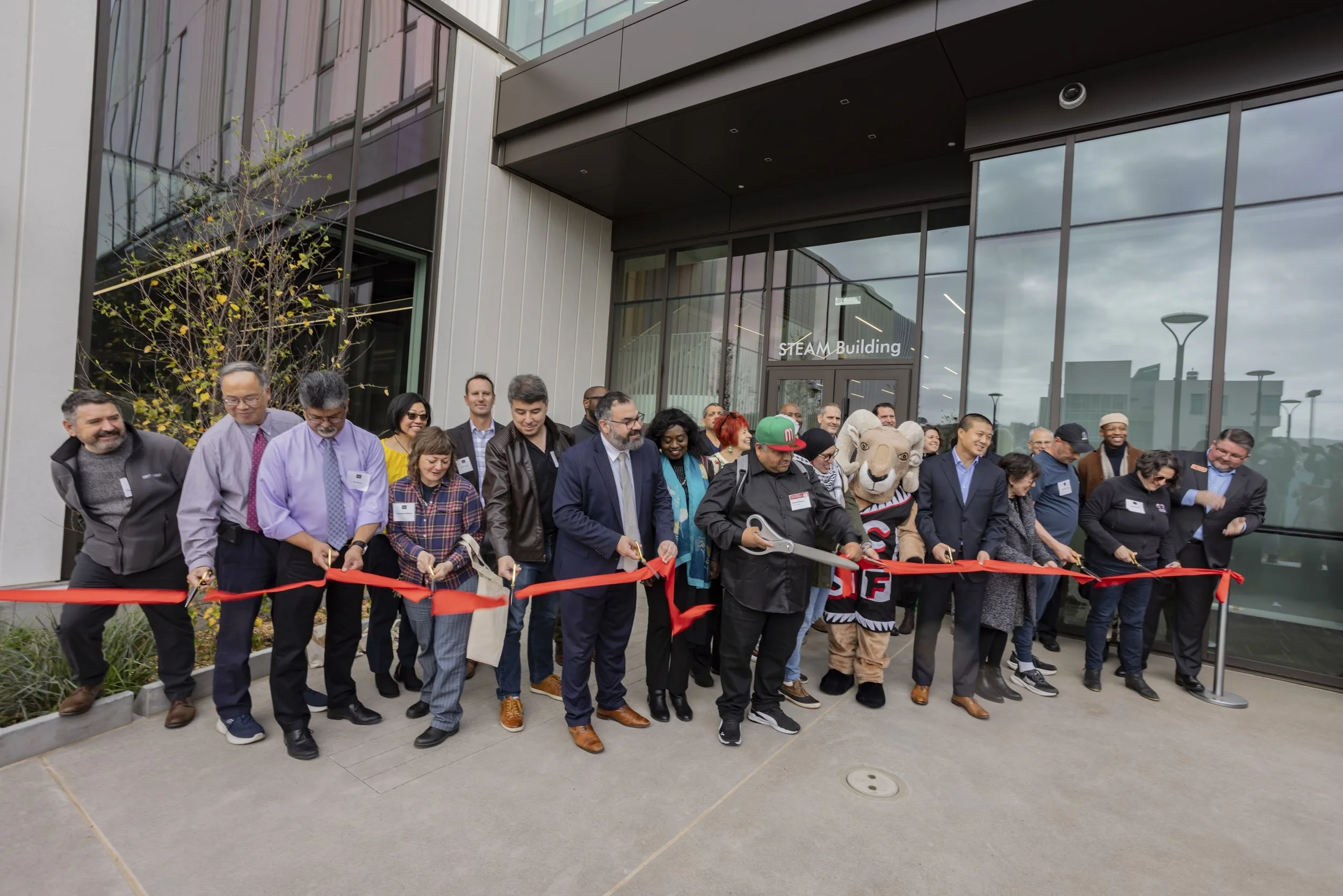
City College San Francisco STEAM building Ribbon Cutting and Opening, November 2024. Photography by Emily Hagopian.
What have been some of the biggest challenges for you personally? How did you manage through?
I think many people in architecture go through parenthood, and this applies to men as well. That push and pull of navigating the guilt — over whether or not you’ve spent enough time supporting your child in different stages of their life, and how that impacts your professional life — is a tightrope to walk. The lesson learned for me is that, during those challenging times and when there are significant barriers that are out of my control, I just need to be present, have grace with myself.
I also realized that I need to be vulnerable in my professional work because if people don’t know what you’re going through, they can’t help you! So not just being the superpower person that I try to be at work but also being the person that is willing to say, “I have these things going on at home, and I need space to deal with them.” And then to be relieved because the people around me see it and support me as they’re also going through variations of similar challenges. Once I spoke about what I was going through, I learned that others were going through similar challenges with their children and adolescents, and that was enormously helpful.
Sheela Sogaard talks about this in her interview and the idea of taking care of whatever is mission critical first and foremost. Who are you admiring right now?
Michelle Obama is always just a well of inspiration. Every time I re-read Becoming, I remember that no matter what stage of life or career we are in, we are not boxed in and we always have future potential. I also listen to a lot of podcasts and Kara Swisher brings a lot of great people on.
“Acknowledge your side passions and bring them with you as you shape your career.”
How would you describe your mission? What do you ultimately want to do for the world?
My current mission is about radical welcoming and access. We talk about a lot of these concepts in abstraction, and I challenge myself and my team to apply these concepts in literal and physical senses. An example I’ll give you is, we talk about student success and persistence in higher education, how are we supporting that beyond a performative way? And beyond just designing the buildings. We dug a little deeper at SmithGroup and discovered that to serve students, we have to build trust and be able to talk to them. And really listen to what their barriers are.
That act of trust building takes time. Students are busy – they’re trying to get their education, and they may be working one or two jobs for that education. We offer internships and scholarships to support them and also get their feedback, time, and trust. But one thing we did for them to know and understand what architecture even is, we brought a VR experience to a campus during design development to get the student feedback and empower them to see spaces the way they see spaces. We wholeheartedly listened to their feedback and incorporated that into our design. Those kinds of radical practices take more time, energy, and commitment but it's really exciting to expose architecture to young people who may normally never engage with it.
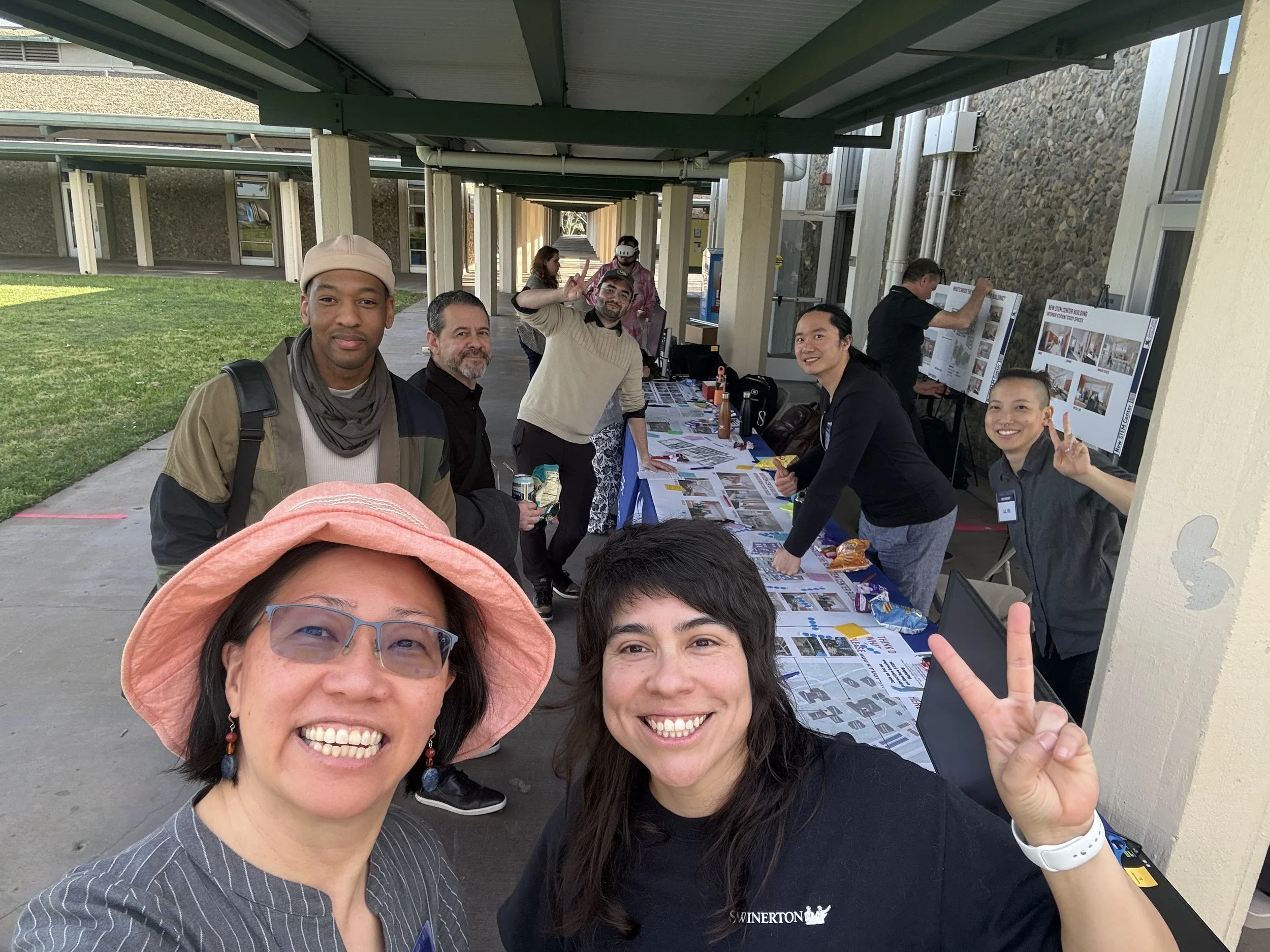
Gavilan College STEM – SmithGroup leads Student Engagement Day with Virtual Reality of Design Development for new building. Photography courtesy of Rosa Sheng.
Finally, speaking of students, what is your advice not only for people entering the field, but for anyone facing challenges in their careers or lives?
I recently had a coaching session with a student in New York. He was very open to sharing the challenges he was experiencing in trying to find an internship and in future career opportunities in general. In spending time with him and learning about what he liked, we learned that he came up with an AI agent to help him improve his workflow – which is a side project he did on top of the things to achieve his educational goals. So he and I talked about how this AI agent is not only something that helped and was important to him but could be important for so many people, and that any employer at a firm would love to hear how you could use that technology and your skillset to improve their workflow as well.
So, I would encourage everyone to look beyond the traditional paths in architecture and recognize all these other things that you’re passionate about and how you can fold them into your work. Maybe you love social media and you’re out there doing a vlog; you could absolutely bring that self to the workplace as communication skills are so vital in how we share our work and the places we design. Acknowledge your side passions and bring them with you as you shape your career.
I can say that both you and I did that Rosa, and it has served us well. Thank you!
This interview has been edited and condensed for clarity.