Imagining Better Futures: COOKFOX's Susie Teal on Working Together and Making Cities Greener
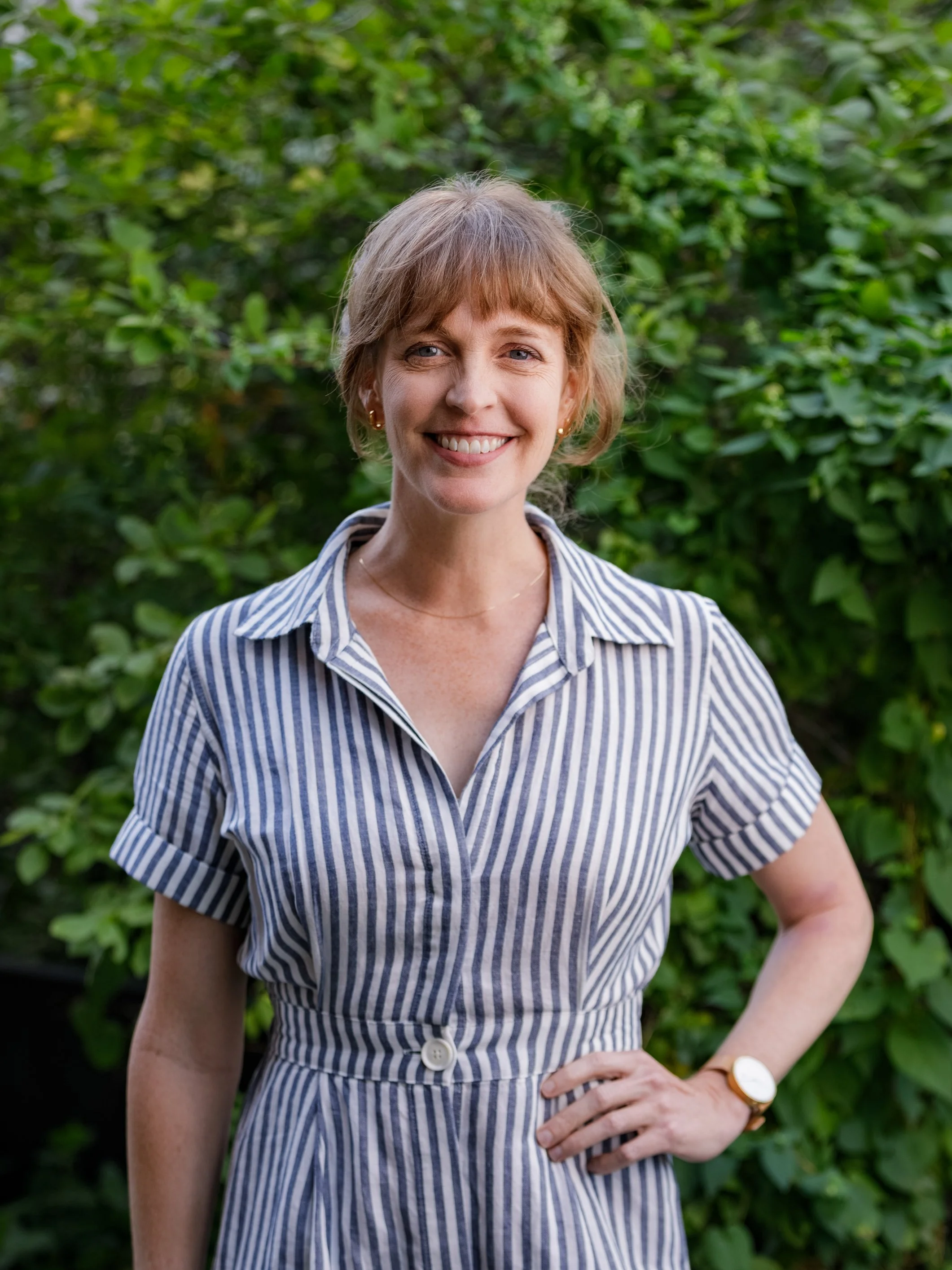
Susie Teal by Alex Ferrec.
By Julia Gamolina
Susie Teal, AIA, is a New York City-based architect and partner at COOKFOX Architects. She is a designer and project manager of mixed-use projects in New York and beyond. Additionally, she helps manage COOKFOX’s internal studio operations and leads the studio’s Mission and Culture team that directs the studio’s strategic goals for sustainable practice and social equity. Her work focuses on sustainable, biophilic design with an emphasis on environmental regeneration and supply chain transparency. She regularly speaks publicly about biophilic and sustainable design.
JG: I think we’re still in that phase of a new year where we’re thinking about what we want our year to be…what are you most excited about that's coming up for you in 2026?
ST: I never get tired of seeing people living in the buildings, working in the offices, and really inhabiting the spaces you’ve watched being designed. I’ve been especially proud to see The Grace and Reva near Washington, D.C., come to life—two large, neighboring residential buildings that bring a sense of calm, light, and community to a dense urban block. I was one of the partners-in-charge and a senior architectural designer, and particularly satisfied to help lead a holistic design process for both buildings from concept design through furniture selection and final styling.
Beyond the projects themselves, I’m most excited about seeing colleagues I’ve worked with for a long time step into leadership—shaping how projects are run, making design decisions, and mentoring others. Watching that next group of people influence what’s to come is so exciting.
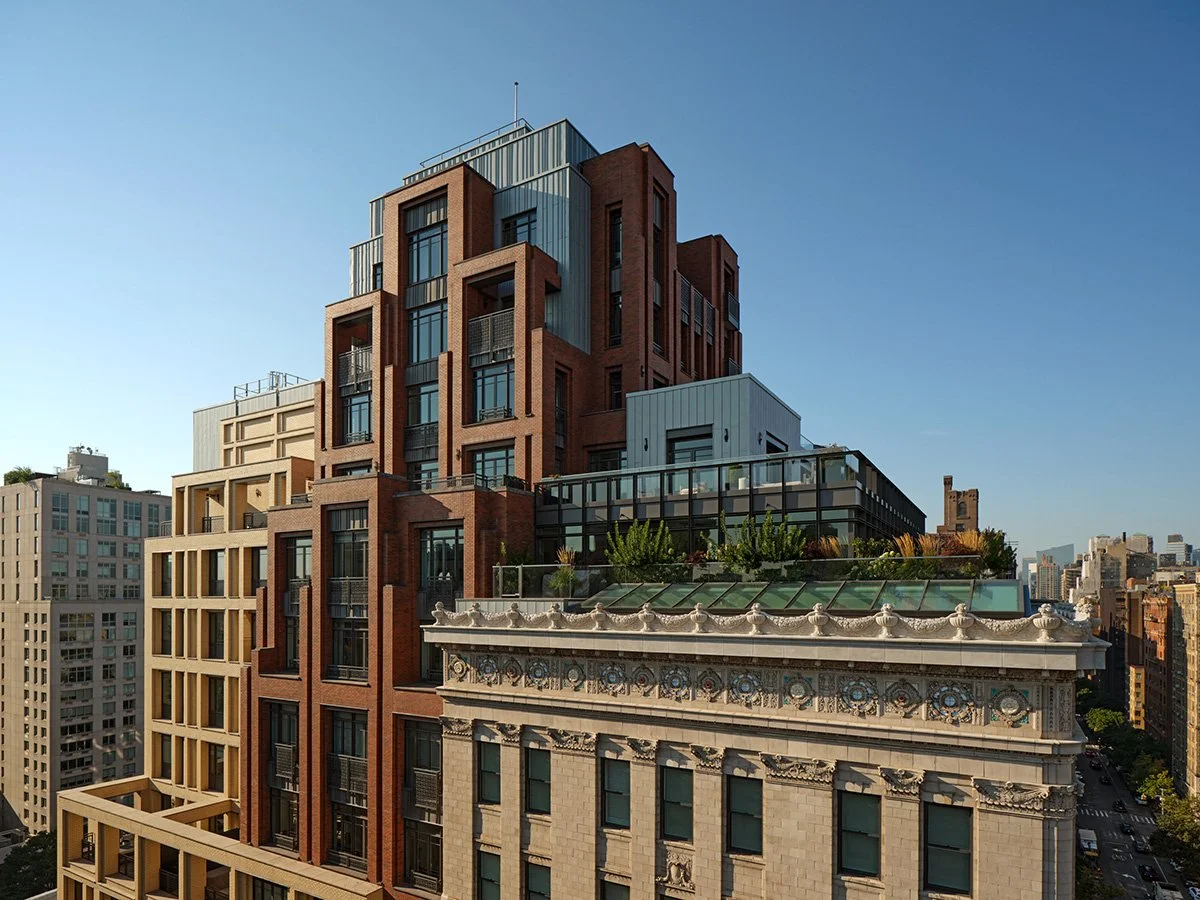
378 WEA. Photography by Chris Cooper.
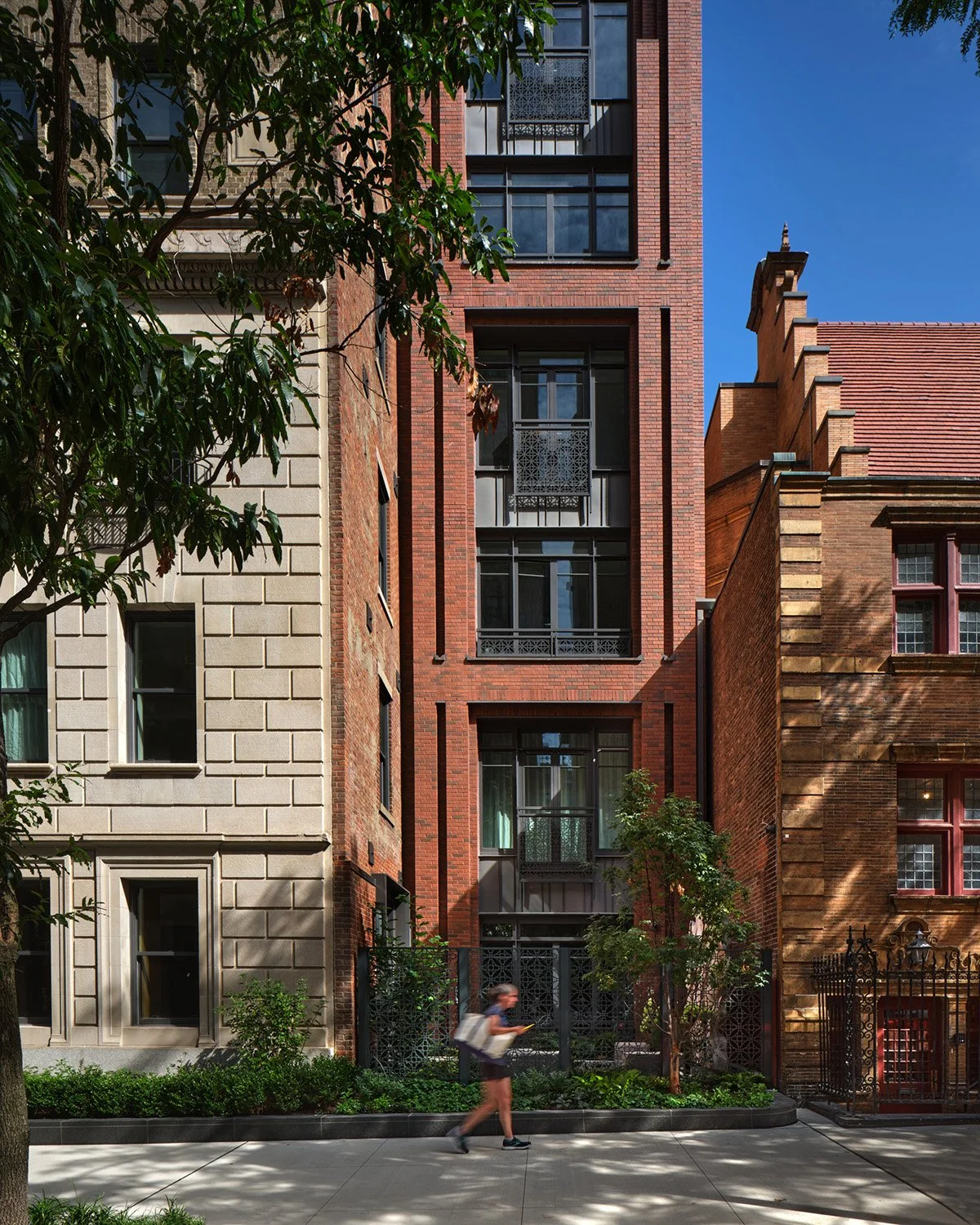
378 WEA. Photography by Chris Cooper.
You got both your B.Arch and M.Arch at the University of Cincinnati. What did you want to do in the world, and what were the biggest lessons learned during your time there?
Growing up, I didn’t know any architects, but I loved making art, and got into the idea of studying architecture after reading up on it and talking with a guidance counselor in high school. I loved the University of Cincinnati right away when I first visited. It’s an urban campus, kind of gritty back then, and when I started, there were so many new buildings by well-known architects under construction. That’s where I fell in love with cities, and saw firsthand how buildings can shape people’s lives and create energy.
The other big draw was Cincinnati’s co-op program. Starting my second year, I alternated quarters between school and internships. I worked in San Francisco, Baltimore, and New York, which gave me a clear picture of what practice was really like. By the time I graduated, I knew exactly what I was getting into.
This was also early in the green building movement. Sustainability wasn’t as mainstream as it is now, but I was so inspired by it. Having grown up close to nature, it felt like a way to connect my experiences with the built environment. The realization that architects have a responsibility to design in ways that aren’t detrimental to the environment became a kind of guiding star for me.
Tell me about your experiences working for various offices before joining COOKFOX. What did you learn that you still apply today?
After graduation, I came to New York and I started my career at Lippincott, a branding agency where I’d interned during college. It wasn’t a traditional architecture firm—half the office were brand strategists, the other majority were graphic and industrial designers, and a small group of us were architects and interior designers. We worked on customer experiences in retail.
This wasn’t ultimately the work where my heart was, but it was fascinating to be surrounded by people from other disciplines. This was the firm that invented the name Verizon, that designed the Campell’s soup can label, and the Duracell battery, and I saw how ideas ripple into culture. I learned how design integrity carries across mediums, from a logo to a storefront to a global rollout. That sense of consistency and cohesion has stayed with me.
After three years, I joined SOM, which was the opposite experience, working on huge architecture projects. There I learned the incredible rigor that is needed in this profession. One summer I drafted reflected ceiling plans for a three-million-square-foot petroleum company headquarters in the Middle East. On the surface, it could’ve been mind-numbing, but I learned so much about systems thinking: how to approach massive problems from whole to part. That’s also still with me—keeping the big picture in mind, breaking it down, and not getting intimidated by scale.
“I learned so much about systems thinking: how to approach massive problems from whole to part. That’s also still with me—keeping the big picture in mind, breaking it down, and not getting intimidated by scale.”
You've been at COOKFOX now for almost fourteen years. How did you evolve throughout this time? How has your skill set expanded?
By the time I joined COOKFOX I was a licensed architect. I had a fair amount of professional experience, and I was really eager for new challenges. My first job was overseeing the facade design at City Point, a large mixed-use retail and residential development in downtown Brooklyn, which felt meaningful because Brooklyn had become my home. I was really happy to work on a building that people in my community would use and live in.
Soon after, I was thrown into a leadership role on 535 Carlton, an affordable housing project also in Brooklyn. It was one of the fastest-paced projects in the firm’s history. It was trial by fire, but it gave me the chance to follow a project from beginning to end, seeing decisions carried through to completion. There’s no substitute for that kind of experience. This project ended up being a turning point for my career, shifting me into a project manager and design leader role.
I became a partner in late 2021, which expanded my focus to helping run the studio as a whole. In the last few years, I’ve become more involved in pursuing new projects. I help write proposals and lead fast-paced design charrettes to present to potential clients. That work has actually helped me get over “designer’s block.” Starting with the big questions like, “Why this project? Why us?” and then grounding the design in place and context has given me tools to begin with confidence. A great concept isn’t just about the bricks and mortar of a building, but also the love and magic. We’ve been honing a design process that allows both aspects to be explored.
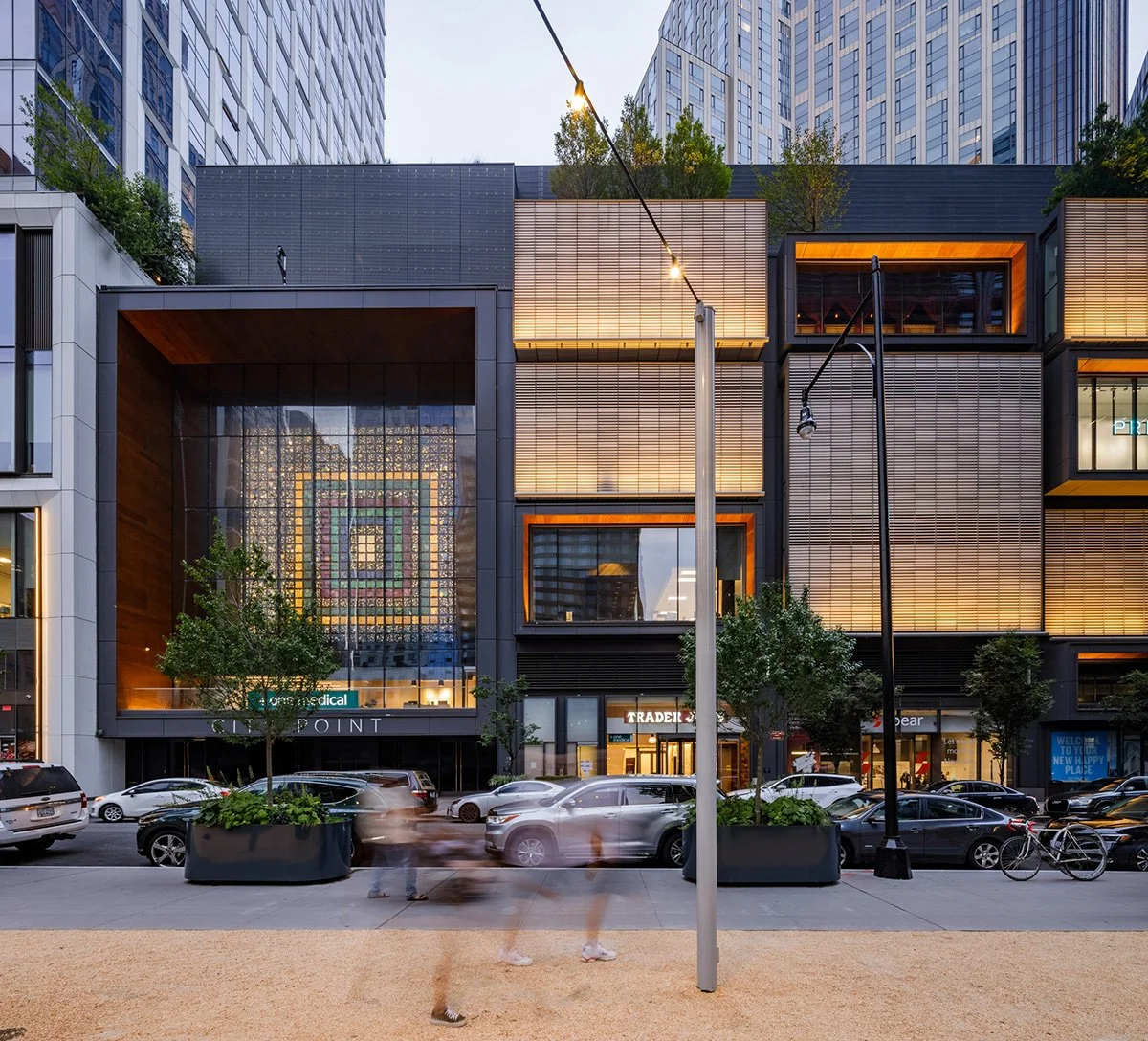
City Point. Photography by Alex Ferrec.
Looking back at it all, what have been the biggest challenges? How did you both manage through perceived disappointments or setbacks?
Becoming a partner during the pandemic was definitely a challenge as running a studio through so much uncertainty was tough. But at COOKFOX, I’ve never felt like I was on my own. Our partnership is really supportive—there are seven of us and we lean on each other every day. That sense of collective leadership has been a lifeline.
What has surprised you the most about working in architecture?
The truly collaborative nature of it. There’s this stereotype of the lone genius architect, toiling away by themselves, but that’s not at all what it’s really like. Design and building take a huge host of people. As an architect you need to know a lot about a lot of things, but just as important is respecting and recognizing the people who have deep expertise in very specific areas and how vital that is to the process. Anytime I feel stuck, all I have to do is talk it through with someone else—share an idea, sit at a table together—and suddenly the problem opens up. You can almost always solve and improve something by working through it as a group. One meeting, one conversation, can totally change the direction of a project.
“That shift in mindset—imagining the outcome you want instead of staring at a problem—is so powerful. For me, it’s become a reminder that as designers, we have to be optimists. ”
Who are you admiring now and why?
At Greenbuild a few years ago, I heard Dr. Ayana Elizabeth Johnson speak. She’s an oceanographer and environmentalist, and she has a book and podcast, both titled, What If We Get it Right?. She speaks with people from all different industries about how we already have the solutions we need to solve the climate crisis and asks them what the world could look like if we finally put it all to use.
That shift in mindset—imagining the outcome you want instead of staring at a problem—is so powerful. For me, it’s become a reminder that as designers, we have to be optimists. Our job is to imagine a better future, a greener city, a more beautiful building.
What is the impact you’d like to have on the world? What is your core mission? And, what does success in that look like to you?
I love plants, I love gardening, and I believe that nature can help us to feel better. So, I’d like to make cities greener in every way. Biophilic design shapes all of our work at COOKFOX, and it shapes how I live my life, too.
I’ve also come to see how environmental sustainability and social sustainability are linked. The quality of the natural environment is a justice issue. Some of my colleagues and I have been involved in the Design for Freedom movement, which pushes for transparency in material supply chains and ending forced labor. It’s about expanding our idea of sustainability—thinking not just about what a material is made of but who made it, and under what conditions. That’s the kind of change I want to help push forward.
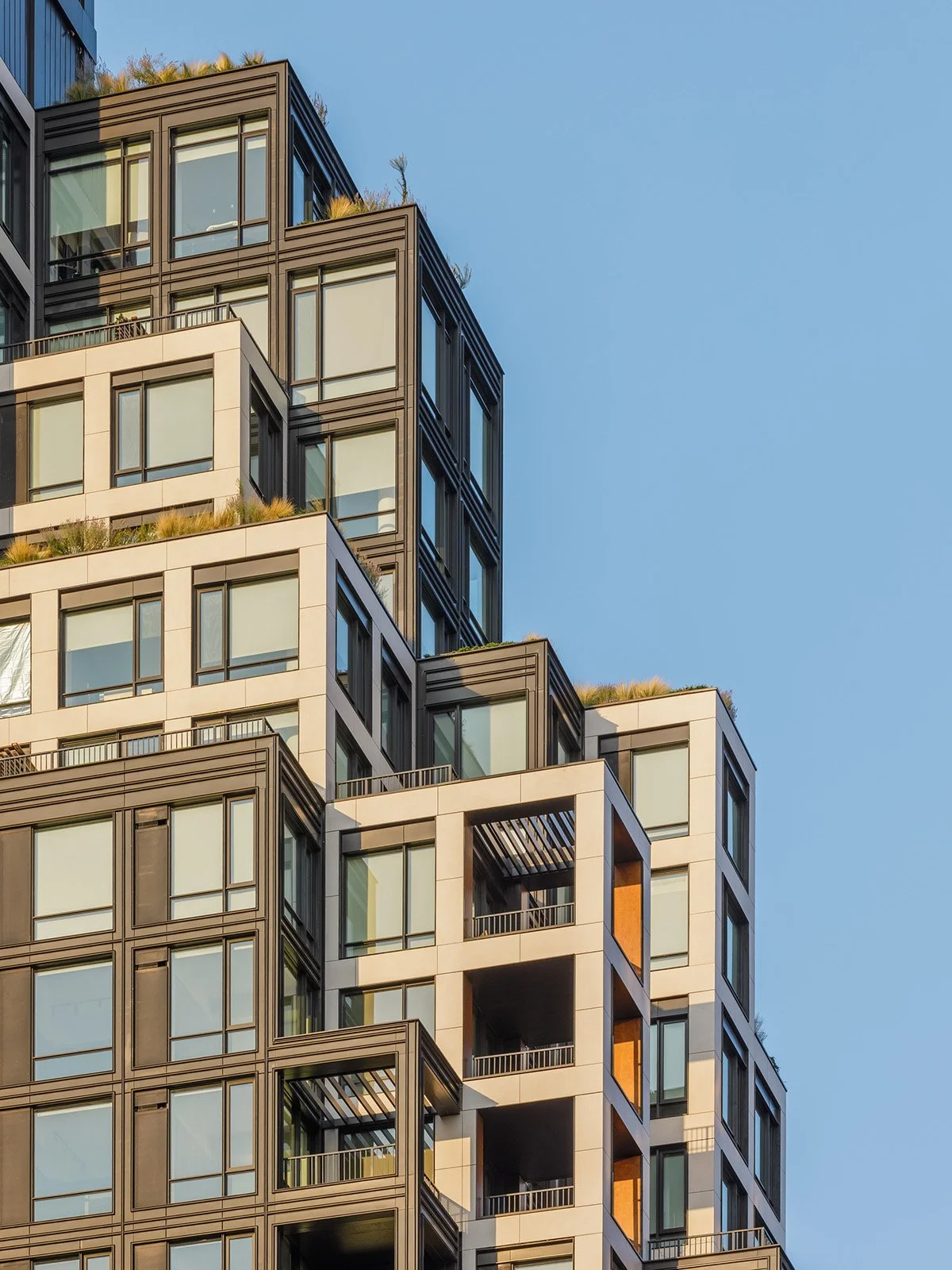
The Grace. Photography by Alex Ferrec.
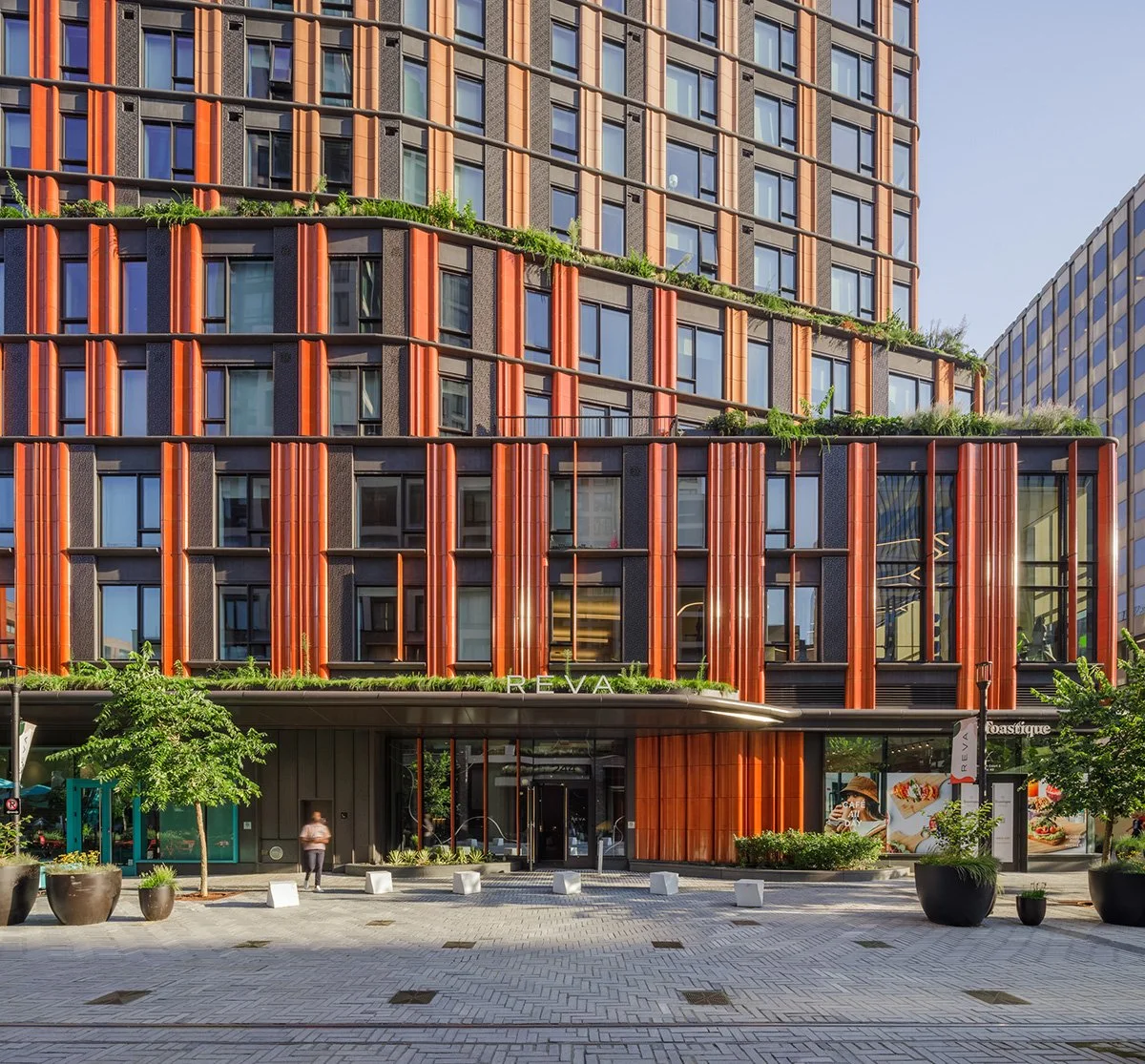
Reva. Photography by Alex Ferrec.
Finally, what advice do you have for those starting their career? Would your advice be any different for women?
I’m really inspired by something I read once about how to mimic the economics of nature. To paraphrase: Take note of what you have a lot of and use it to the net benefit of everything around you. It inspires me to think about how to best organize a project team or our studio, but I think it also applies to individuals. Recognize what you are great at, what makes you unique, and don’t spend time trying to be what you’re not.
For women, I think that’s especially relevant. There are so many ways to be an architect. We still have the opportunity to shape what this profession looks like for ourselves. Madame Architect has done such a wonderful job of showing this. I’m over twenty years into my career now and I’m excited to see how we can keep redefining the field.
This interview has been edited and condensed for clarity.