Behind the Curtain: Architects, not Architecture's Fermín Tribaldos on Life Experience, Influences, and Side Hobbies
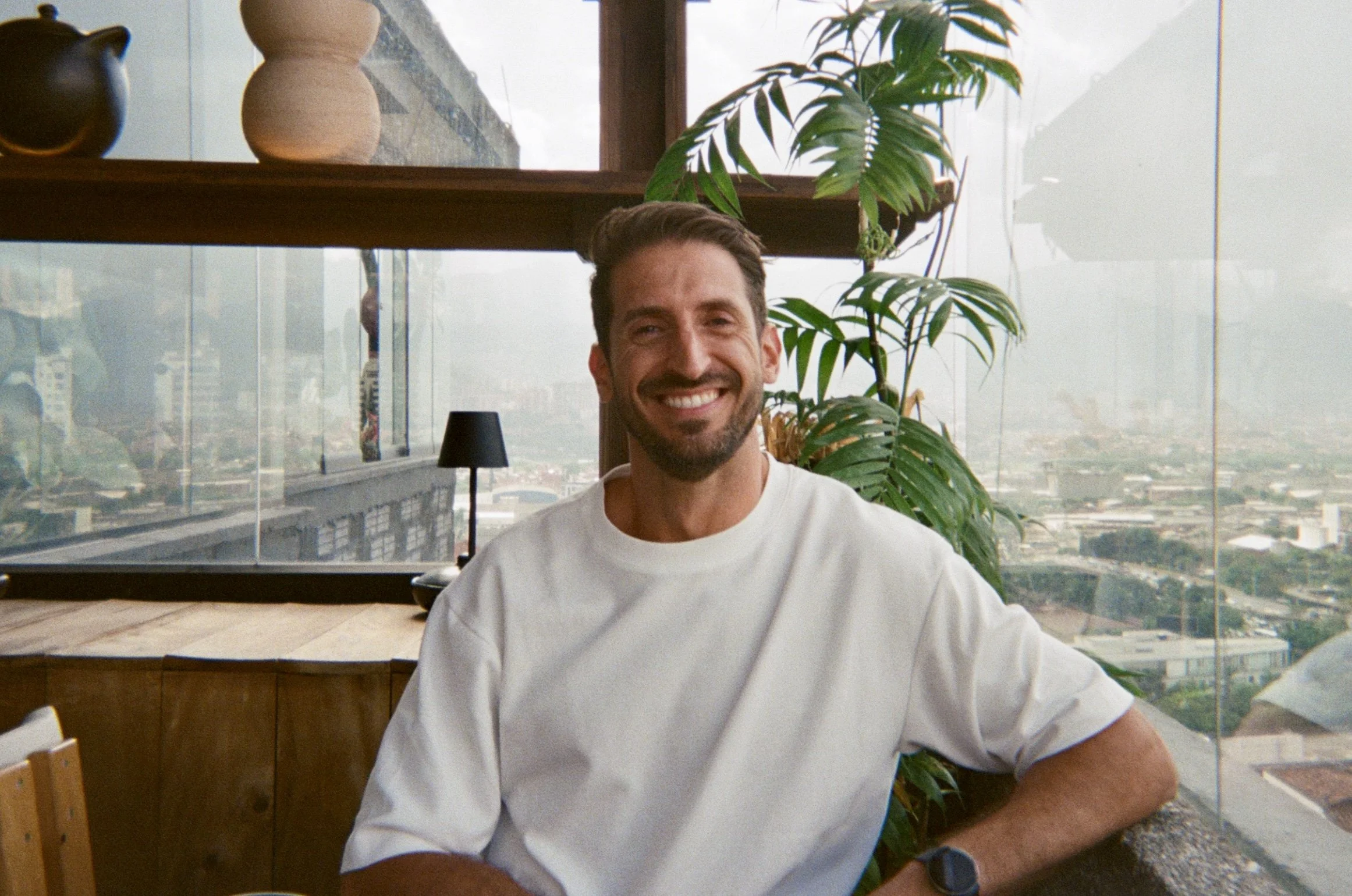
Fermín by Alexandra Colusso.
By Julia Gamolina
Fermín Tribaldos is the co-founder, alongside Irene Osei-Poku, of Architects, not Architecture (AnA). AnA is an architecture event series that to bring to the stage what we normally don’t see. In each event, three well-known architects are asked to talk about themselves instead of their award-winning international projects. They speak about their path, their influences and experiences, and dive deeper into their intellectual biography. This makes possible a better understanding of their work. Fermín himself is a trained architect, and has worked for a number of practices abroad before focusing full-time on AnA.
JG: I love your mission with Architects, not Architecture. Part of the reason I started Madame Architect is because when I was in high school and trying to learn the lives about people in my profession, I noticed that general interest women's magazines hardly featured architects, and design media didn't often speak with architects about their lives. How did you come to your focusing on these personal stories as well?
FT: I love that we have that in common! My initial interest also came from my student years. From all the lectures that I attended, what I enjoyed the most were those behind-the-curtain stories — the life experiences, connections between people, and serendipitous moments that make certain projects possible. I also loved hearing about the multidisciplinary and personal influences that had an impact on the work architects were doing. I felt that these things explained a lot about the final outcome, but we rarely talked about them in our courses.
How did you eventually start AnA?
I was working as an architect and I was with Irene Osei-Poku — we were partners in life. Irene is an art director, photographer, DJ, and amazing cook. Irene and I are very similar in that we love people. There is that common human interest behind this format, so we started the series together in 2015. At that time we talked about the idea of doing a couple of events in Hamburg with the most relevant local architects, asking them for their most important experiences in life that influenced their work.
We had a hard time articulating that gut feeling, and an even harder time briefing the architects. We were inviting them to give a talk where they couldn't show a single project. Why would anyone be interested in that? Many of them wondered exactly that. But what's remarkable is that when you attend an AnA talk, you see how those personal influences are directly connected to the architecture that they make and the way they work. It's like checking the DNA of a person, fascinating and beautiful at the same time.
We had such great feedback after the first few events that it seemed impossible not to continue. The events were not perfect — I was a foreigner in Germany, on stage trying to ask questions with broken German while being so nervous I could barely think — but they were real, and they had something special. The architecture event series was at the beginning a side hobby, until I had to decide whether I wanted to continue working as an architect or dedicate myself full time to this. I chose the second.
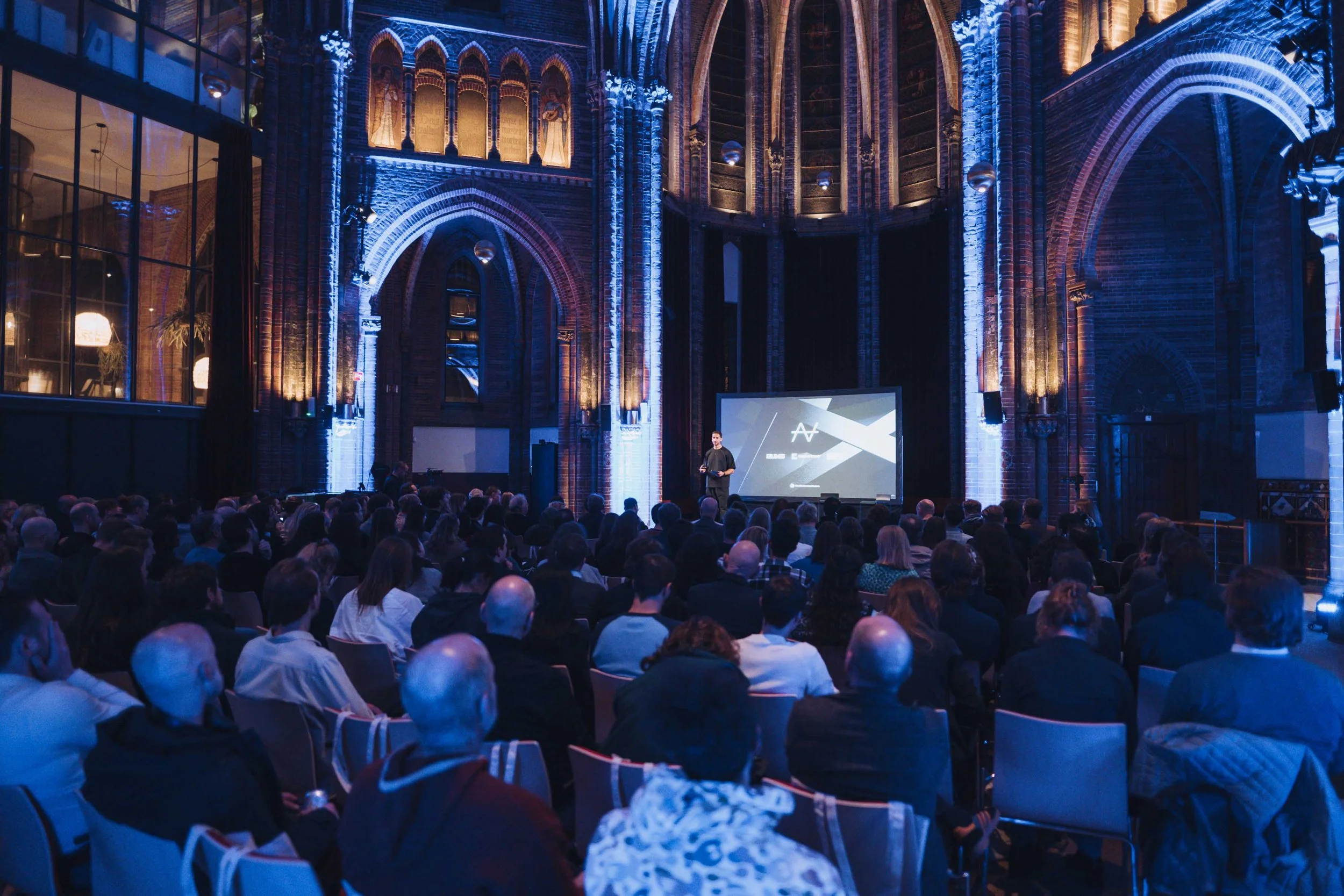
AnA Amsterdam. Photography by Irene Osei-Poku.
When you first pursued architecture though, what were you hoping to do in the world, and what were your biggest takeaways from your time in practice?
I expected to follow the typical path, hoping to be able to do work as an architect that I would be proud of. My architecture studies were rich in diversity. What I took away from those years was a preparation for very different kinds of challenges, a holistic approach that I still use today. Not everything made sense for my future, but I had to go through it regardless. The education gave me a skillset that I would end up using far beyond architecture, especially as running this event series came by unexpectedly.
What was some of the best advice you got early on that has informed your approach to your work and career?
About our first event, Julia Erdmann told us, “Einfach machen” — "Just do it!” She said, “the energy comes while you're running. The more you do, the more you can do.” I resonate with this because we jumped into the unknown with the events. We learned a lot of things the hard way but were — and still are — so passionate that the lessons are worth it because they make you better.
I also loved the advice that Deborah Berke shared at our recent event. She said, “First, charge enough.” She told us that Robert Gutman walked into her office unannounced and said, "I have to tell you something right away. You don't charge enough." She asked how he could possibly know that before they'd even spoken, and he said, "Because no architect charges enough." And then he told her that to run a business, you need to “get the work, do the work, and run the business — and no one can do all three.” A successful practice requires all three, but no one's brain is wired for all three. Many can do two. That's why great firms have multiple names on the door.
“...what’s remarkable is that when you attend an AnA talk, you see how those personal influences are directly connected to the architecture that they make and the way they work. It’s like checking the DNA of a person, fascinating and beautiful at the same time.”
How has AnA evolved over time?
The growth of “Architects, not Architecture” has been from local to national, from national to continental, and from continental to a global event series. After gaining experience running the events in Hamburg, we realized that to grow, we needed to convince new sponsors to support our events. That took time because we needed to find sponsors in countries where people didn’t know about us, and that took a lot of work. But we knew that we could create a good event wherever, whether we were in Sao Paulo, Singapore, Madrid or Auckland.
Today, the selection of speakers is very important. We want people that are very engaging and also to have a good diversity across the type of architecture they focus on, their age, gender, all of it. We tend to have more experienced than emerging architects as speakers, but this makes sense for us as experienced architects just have more life experience to pull from. They usually feel more freely to speak about it all, as their reputation are already established.
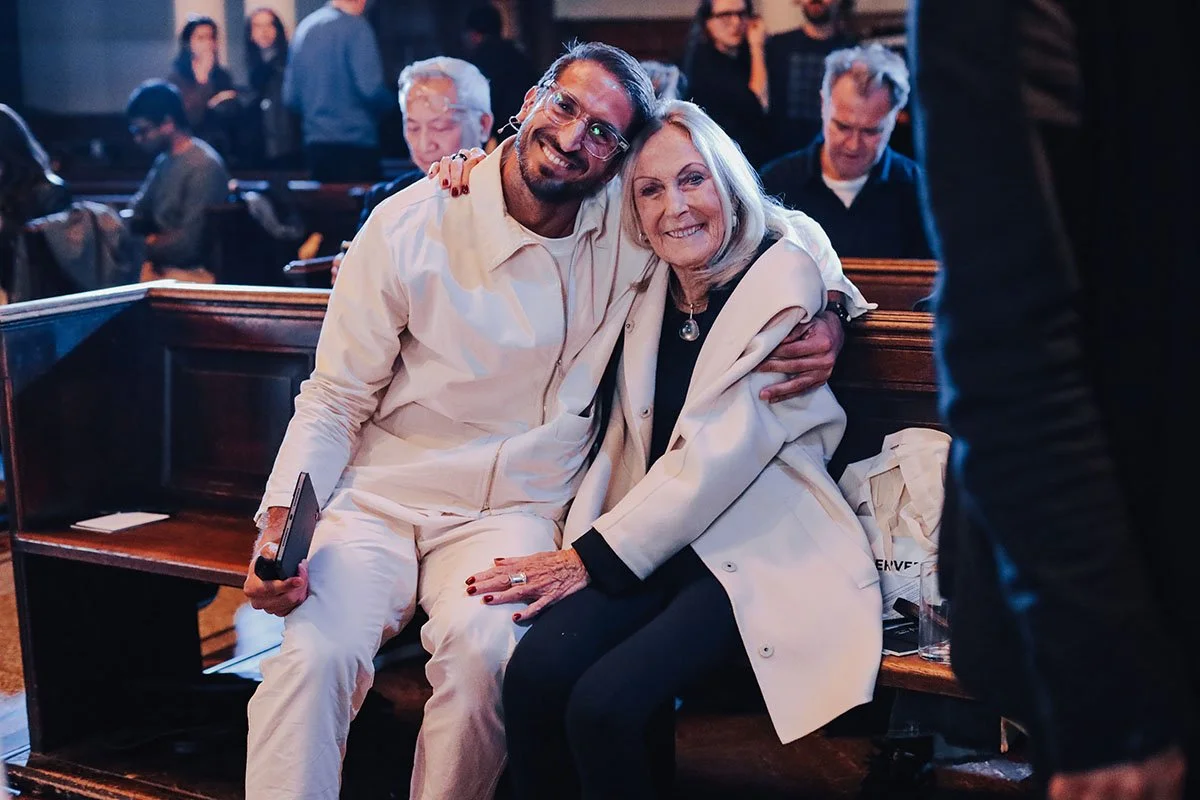
AnA London.
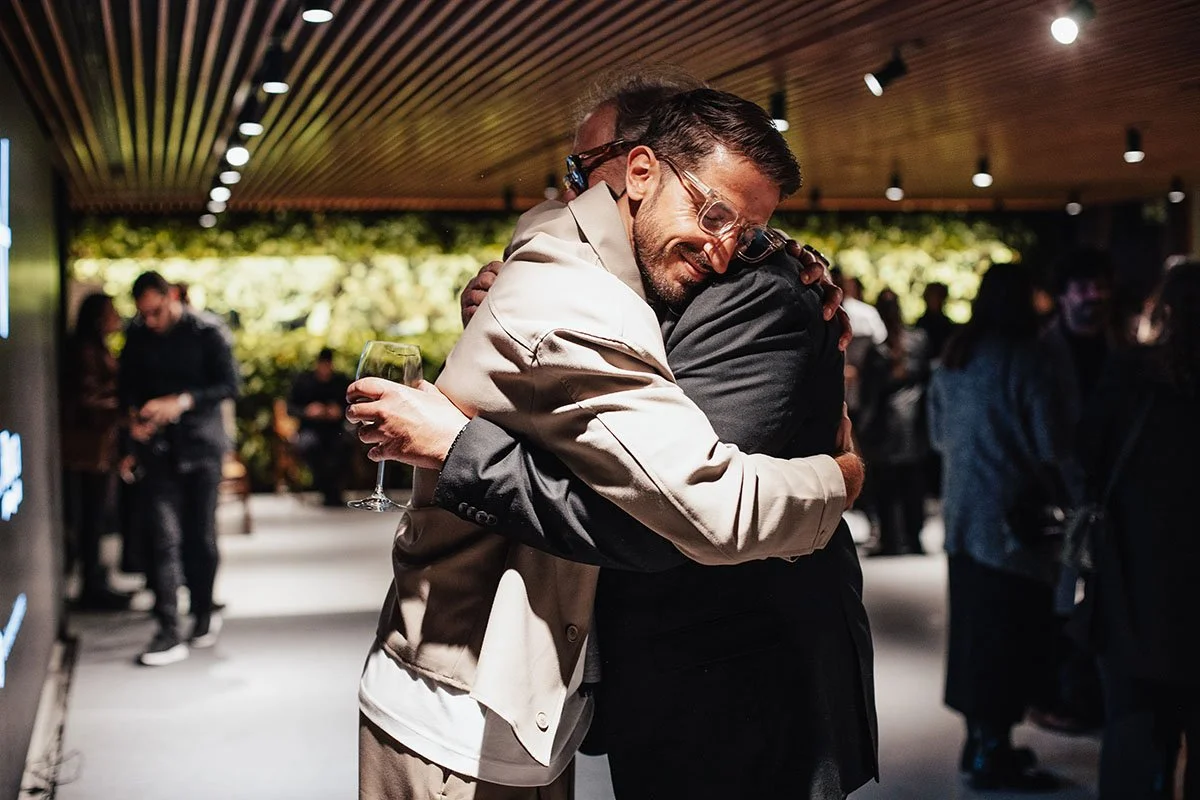
Fermín with Gustavo Penna. Photography by Irene Osei-Poku.
Looking back at it all, what have been the biggest challenges? How did you both manage through perceived disappointments or setbacks?
The first big setback was the first annual tax bill after going self employed. I won’t forget that pain [laughs]. But jokes aside, the biggest challenges probably come from the relationships with sponsors. Funding is such a big part of making these events happen that when things didn’t go as we planned, that can create setbacks. We’ve learned to be patient and that good collaborations need time. I have learned to be more relaxed and ready for the unexpected. There are so many things that don’t go according to plan, but how you react is going to define the final result.
“Just go for it. You learn by doing and the way you improve is by responding to the circumstances surrounding you and pivoting. The more you do, the more your skillset will increase.”
Who are you admiring now and why?
You are doing great work, congratulations! Ana Catarina Silva from Portugal is also doing wonderful work, a massive series interviews series alongside her full-time job, called Arquitetura Entre Vistas. She is brilliant and dedicated.
I also admire Studio NEIDA, Jeanne Autran-Edorh and Fabiola Büchele, I met them in Germany and they are based between Lomé, Brussels, and Berlin. They are multitalented, doing architecture, exhibitions and research. Also Alvin Zhu, who I met in Sydney. He recently graduated as an architect and has been creating good content around what it means to study architecture and all of the contradictions. I’m very curious to see what he will do next.

Ana’s videographer Quim, co-founder Irene, and Fermin. Photography by Jonatas Marques.
What is the impact you’d like to have on the world? What is your core mission? And, what does success in that look like to you?
If we can contribute to doing something positive and leaving things behind better than they were, I would call that a success. With our event series, our mission is to make the architecture dialogue more transparent, horizontal, human, humble, and personal.
Finally, what advice do you have for those starting their career?
Just go for it. You learn by doing and the way you improve is by responding to the circumstances surrounding you and pivoting. The more you do, the more your skillset will increase. If we waited until our event was perfectly planned, or until I could speak perfect German — I still can’t — or if we waited for the perfect business plan behind AnA, we might still be waiting.
This interview has been edited and condensed for clarity.