Ripple Effects: Slade Architecture's Hayes and James Slade on Experience, Energy, and Trust
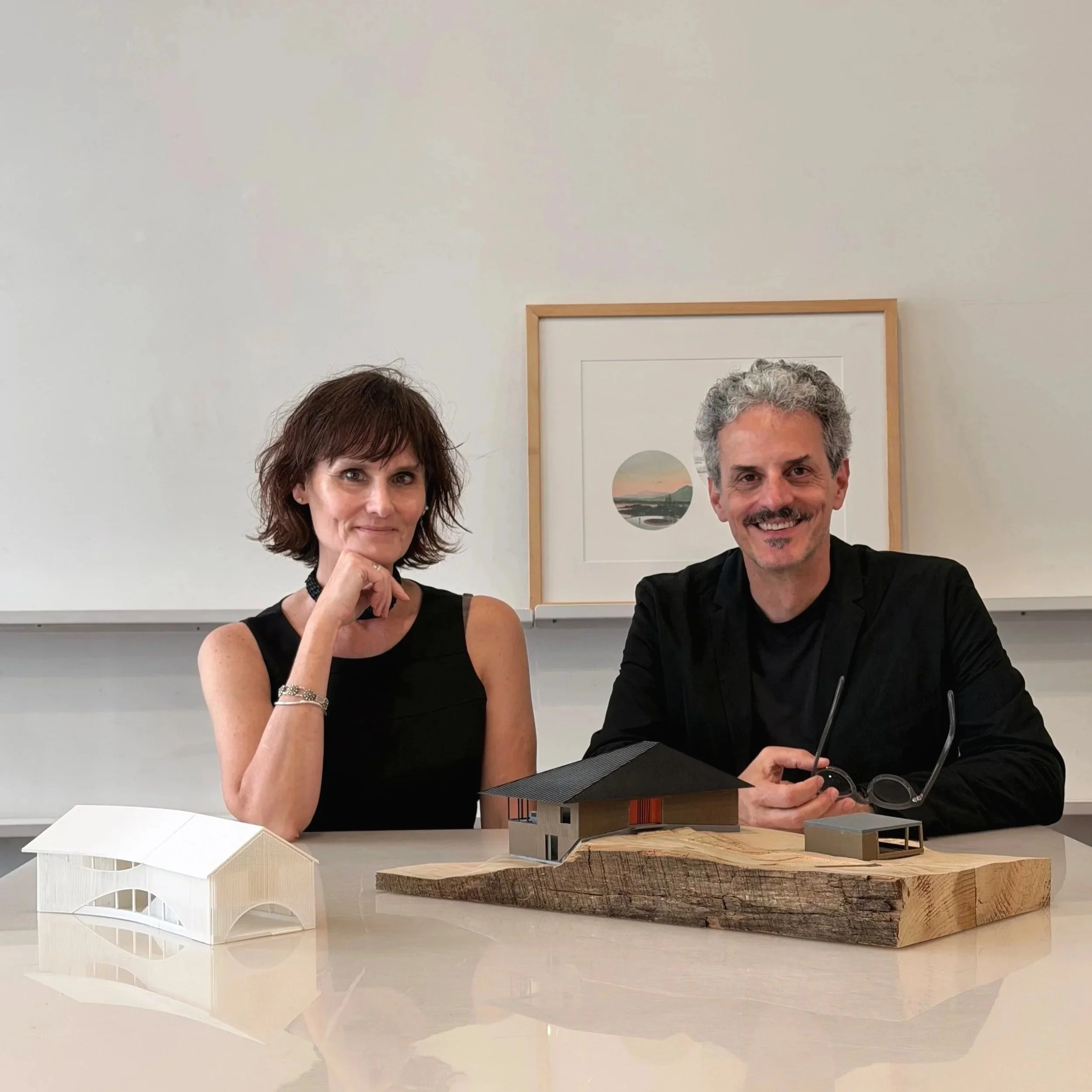
Hayes Slade and James Slade in their studio.
By Julia Gamolina
Hayes Slade and James Slade’s passion for design is rooted in a desire to improve relationships and ultimately, society. They founded their firm, Slade Architecture, in 2002 — a practice that focuses on design across scales and program types, driven by a passion for positive change. Their methodology integrates rigorous architectural exploration with comprehensive contextual analysis, delivering designs that are architecturally distinguished, strategically aligned with client objectives, and inspiring to users and communities.
JG: In Hayes' 2018 interview, she said that the September 11 attacks was the catalyst that prompted the two of you to finally take the leap and start a firm together. Since I've interviewed you both, we have all gone through a global pandemic, geopolitical conflicts, and numerous other enormous challenges. What is your current mindset regarding the things you both want to do or create? And what about the future of your practice?
HS: Even as we feel deeply connected to our built projects as tangible artifacts of our creative effort, we have come to see the non-material things we have set in motion as more important than the physical objects themselves. Through our roles as architects, designers, colleagues, employers, collaborators, and contributors, we have become part of a larger, interconnected web which has the potential for a powerful ripple effect. I'm proud of the jobs we have created, the relationships formed through collaboration, the clients whose lives we have touched, and the ideas we have contributed to the broader conversation about design.
JS: This geopolitical and economic moment is arguably the most difficult we have faced since founding our firm in 2002. In times like these, the non-material and relational impact of our actions becomes even more important. Our plan going forward, both personally and professionally, is to persistently continue delivering the best work we can, and to act with integrity and compassion.
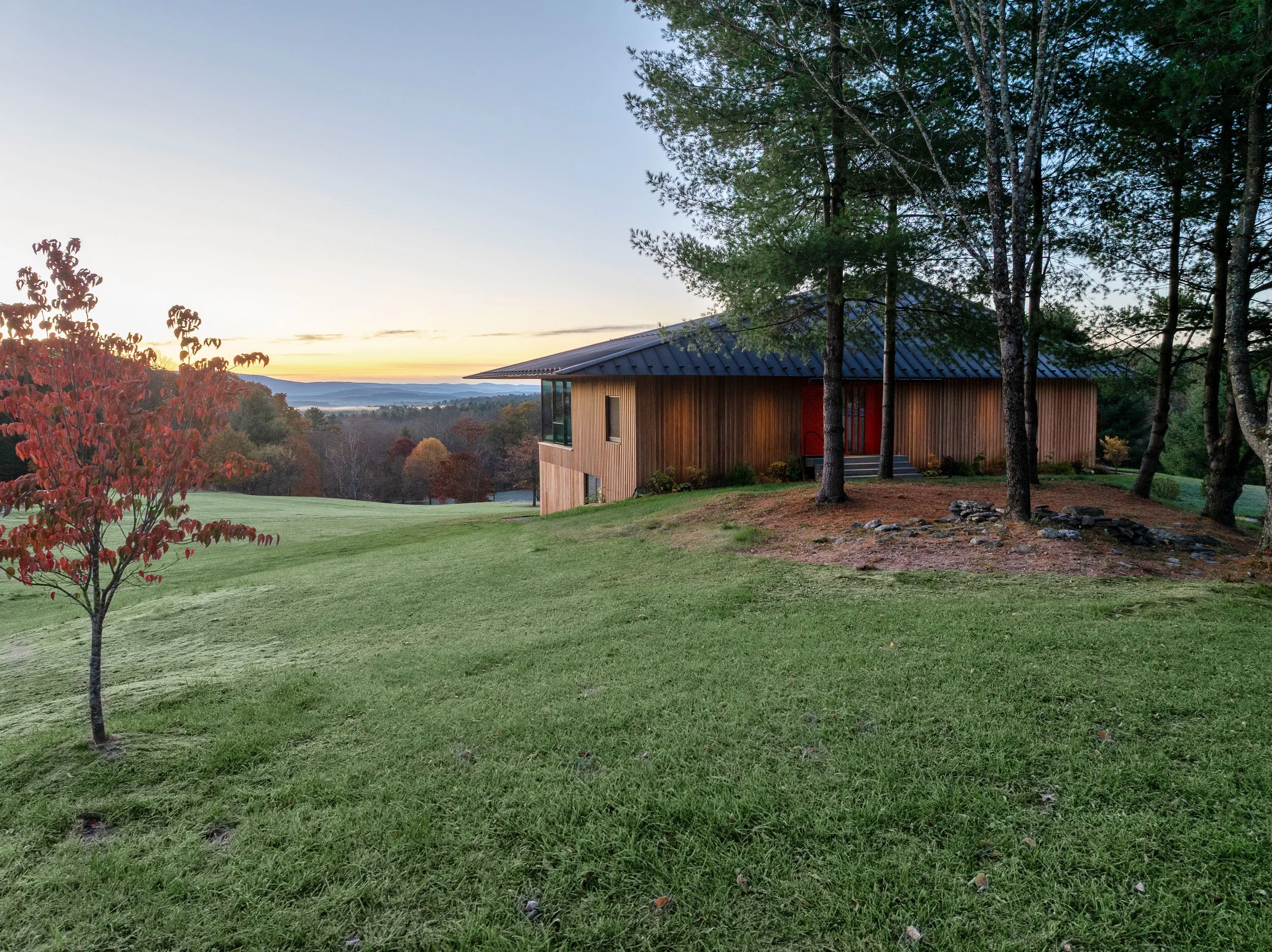
Longview House. Photography by Tom Sibley.
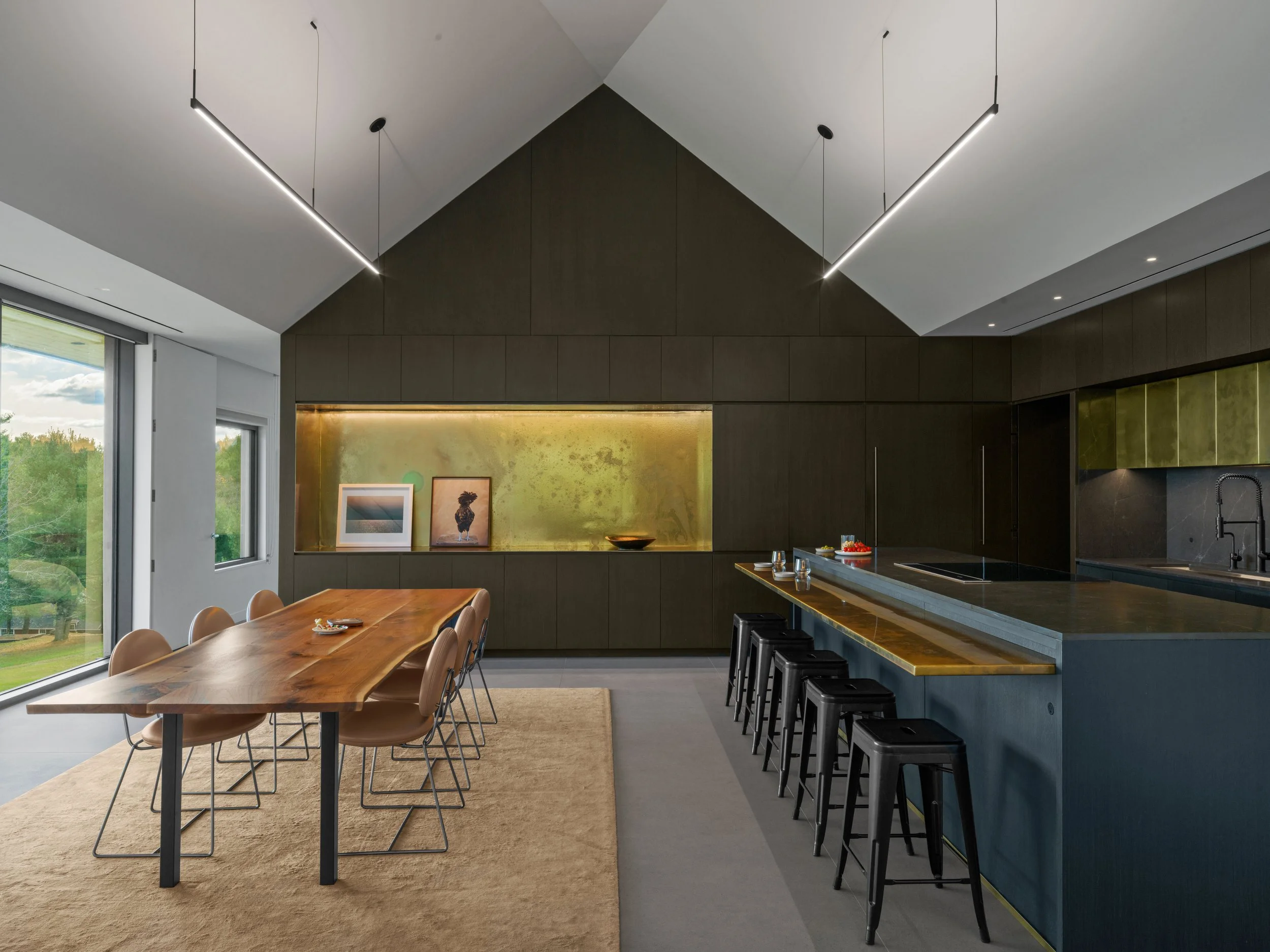
Longview House. Photography by Tom Sibley.
One of the really wonderful things you're both working on is the Rest House with Grace Farms and the Design for Freedom movement, which you've championed from the beginning. Tell me about this.
JS: Sharon Prince and the rest of the team at Grace Farms have led an inspirational effort to raise awareness of unethical labor in the building and furniture industries and to work toward eradicating it. Hayes joined the Design for Freedom Working Group from its inception, and I joined shortly after. Our firm contributed to the first Design for Freedom Toolkit, helping to write the outline specifications that establish supply chain requirements for ethical labor. These can be inserted into a standard format specification to make ethical sourcing a requirement across all materials used on a project. We also developed a tracking spreadsheet, also included in the first toolkit, to monitor ethical labor requirements through all phases of design and construction.
HS: The Rest House is a project we are working on in collaboration with Grace Farms Coffee and Tea in Indonesia. Grace Farms Coffee and Tea donates its profits to help fund the Design for Freedom movement, and the coffee and tea they source is ethically grown and harvested—their Indonesian coffee comes from a women-run Fair Trade cooperative in Sumatra. The cooperative uses ethical labor and sustainable agricultural practices, in line with the goals of the Design for Freedom initiative. The Rest House program is akin to a community center with guest rooms to support that community. The project carries a double impact: in addition to supporting the cooperative and its members, it will be built according to Design for Freedom principles, ensuring that both the material supply chain and the construction itself rely on ethical labor.
“Through our roles as architects, designers, colleagues, employers, collaborators, and contributors, we have become part of a larger, interconnected web which has the potential for a powerful ripple effect.”
Hayes, since I last interviewed you, you've been the president of AIA NY. What did you learn from your tenure and how have your outlook and approach to our industry and your practice evolved?
I came into architecture from a non-conventional route. My Bachelor and Master degrees are in engineering and I also have an MBA. Often people assumed I was not licensed, even though I was licensed and we had established our firm years earlier. Being the president of the AIA was a very public way of cementing my credentials as a licensed architect with a valuable contribution to bring to our community. Serving as AIANY President also gave me a platform to address concerns I cared deeply about; how architecture is perceived externally and how it's experienced within the profession. The role offered visibility across firms, the broader AIA national organization, and our advocacy work with government.
One of my most rewarding takeaways was seeing how resourceful, optimistic, and generous architects are as a community. People drawn to this profession genuinely want to create positive change. Early in my tenure as First VP, I set out to create meaningful exposure to architecture for NYC public high school students — something I never had growing up, and which I believe keeps many talented young people from considering this path. After reaching out to colleagues about hosting work-shadow placements, the response was immediate and overwhelmingly enthusiastic. That momentum led me to partner with the Center for Architecture to launch Discover Architecture, a week-long work-shadow program connecting NYC public school students with firms across the AIANY network. I’m not sure many equally busy professions would give so freely of their time. That spirit of generosity and belief in positive change makes me proud to be part of this community.
At the same time, I was sobered by how entrenched some of architecture’s structural challenges are — particularly for small firms. Fixed costs like software, insurance, and health coverage are proportionally far higher per person than at large firms, despite smaller firms typically commanding lower fees. I became especially interested in the burden of software costs and hoped to organize a program that would allow small firms to pool together for pricing advantages similar to those enjoyed by larger practices. I was unable to make meaningful headway, which underscored a broader issue: the industry’s fragmentation and limited collective action. Addressing this would require new cooperative structures, but it could have a real positive impact on the profession.
Something I really admire about you both is how engaged you are with the industry; I see you out and about at everything! What would you say to those just starting their careers in the profession about the importance of this?
HS: That's funny you say that because we often feel like we don't go to nearly enough events. We often find ourselves hunkering down to focus on production. But being part of the architecture and design community is critical for many reasons. The broader design community needs to support one another, both to provide encouragement and to keep the exchange of ideas alive, especially for those in smaller firms. When your day-to-day circle is small, it's easy to develop tunnel vision; engaging with the larger community is one of the best ways to maintain a broad horizon.
JS: On a cultural level, we have a responsibility to design projects that respond to broad societal needs and consider both current and future context. Talking with colleagues across the design world gives us a wider perspective on concerns and issues that extend well beyond what we encounter in our own projects.
And on a personal level, we genuinely enjoy catching up with our colleagues in the design and related industries! These are also some of our closest friends and we share many concerns and experiences. These events are easy places to catch up with friends, including the Madame Architect events that we try to always attend. This may be part of the reason you see us out so frequently.
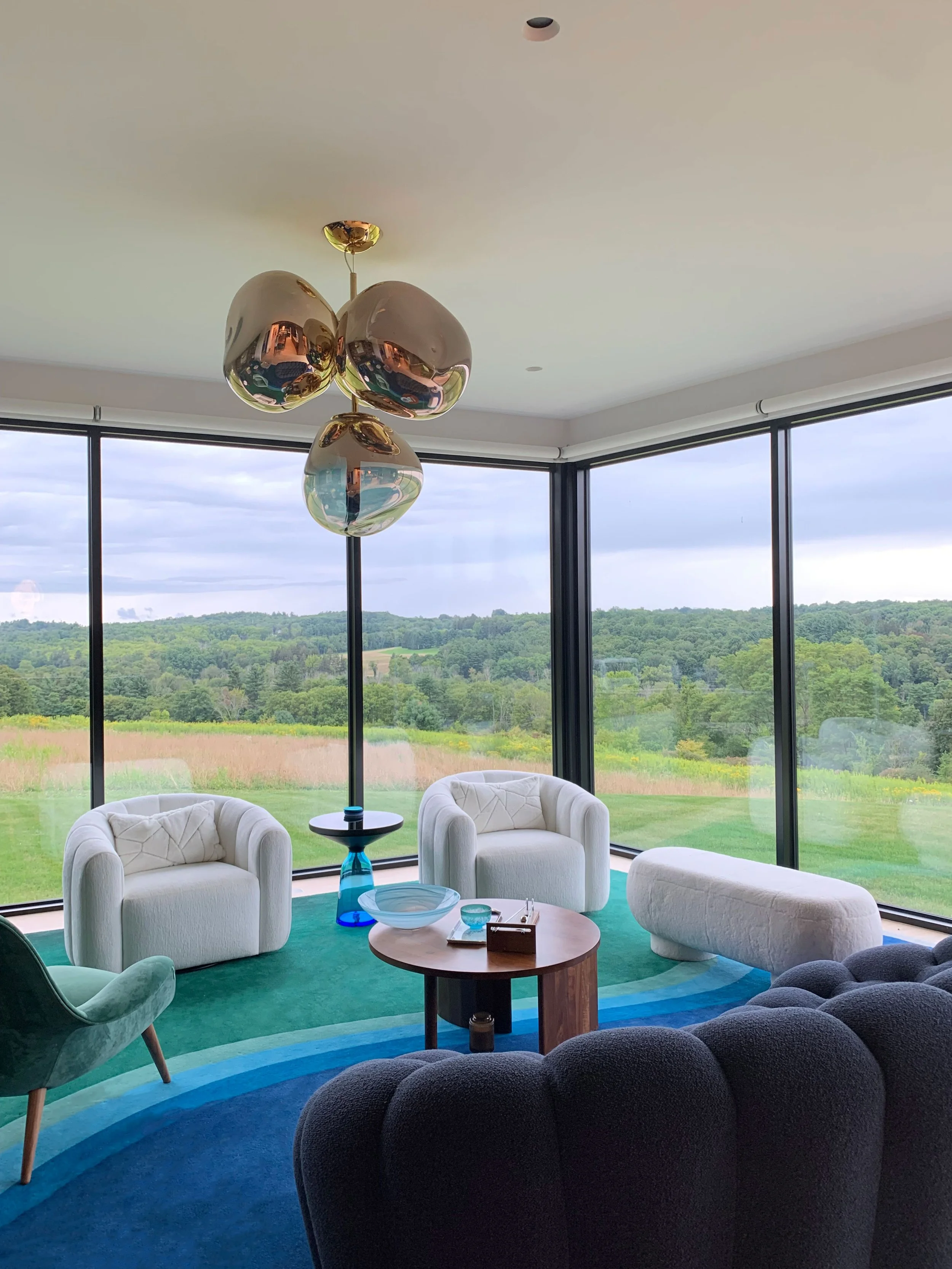
Courtesy of Slade Architecture.
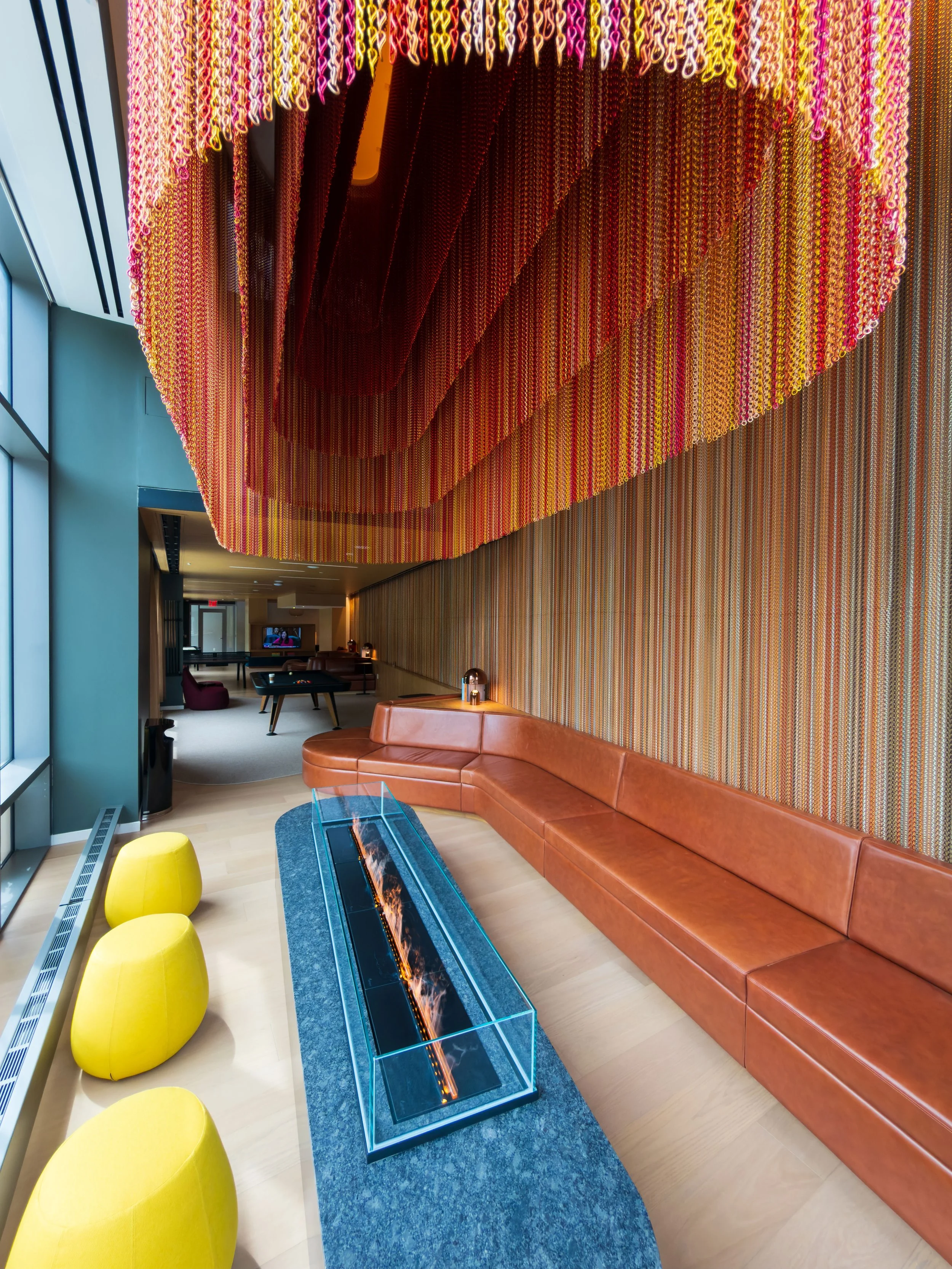
Courtesy of Slade Architecture.
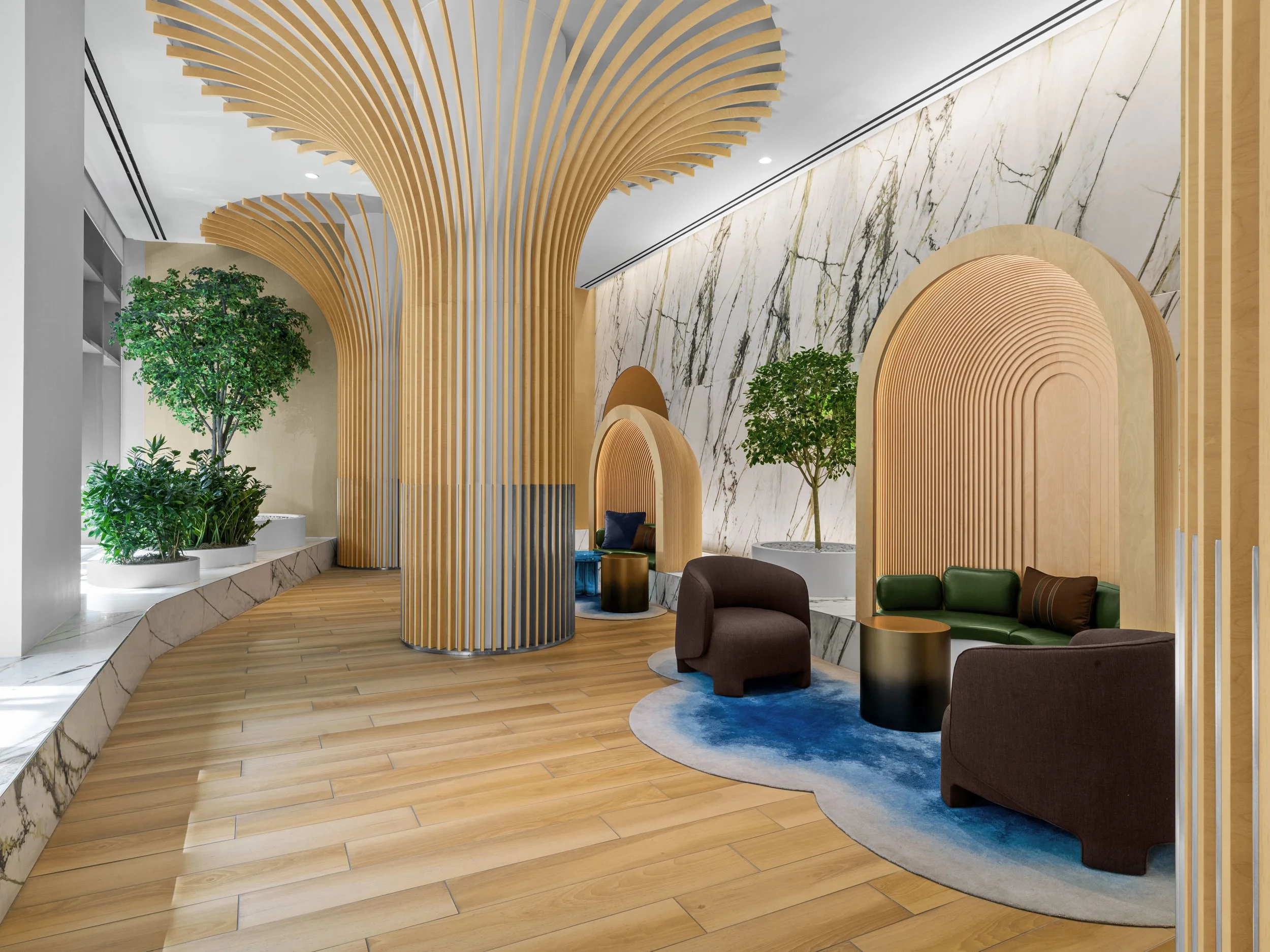
Courtesy of Slade Architecture. Photography by Tom Sibley.
Who were your mentors through it all?
JS: The term “mentor” has been challenging for us because it implies a hierarchy of experience or age. We certainly both had traditional mentors when we were younger students and professionals. For me, professional mentors included Tom Hanrahan of Hanrahan Meyers, Rick Mather of Rick Mather Architects, and Richard Gluckman of Gluckman Tang Architects. At our age and experience level, most of the people we would turn to for advice, guidance or critique are our peers. This is not typically considered a mentor relationship because the support flows both ways. There is no hierarchy or age difference.
HS: My professional mentors were Ramon Gilsanz of Gilsanz Murray Steficek, Liam O’Hanlon formerly at Arup, and Kate Swann Formerly COO of Organic Digital Agency. To me, The phrase “mentors through it all” makes me think of people I admire personally and professionally. In that sense, this has always been James — saying this feels cringy but I want to be honest here! He is very talented and persistent with a quiet determination. Working alongside him makes me feel very confident in our work, our firm and our potential.
Another person I would mention is Fiona Cousins, an extraordinary engineer, leader and friend. We met nearly thirty years ago at Arup in London. Fiona has an intensity, intellectual curiosity, and uncompromising drive. She is also an incredible example of living to the ideals you espouse. Over the years, I have often reached out to Fiona to be a sounding board and she is always open, thoughtful and helpful.
JS: Double cringe. Since I am almost two months older than Hayes, I guess I can be her mentor. I turn to Hayes for advice and guidance on everything related to our work and our personal life. If Hayes’ youth does not disqualify her, she is my mentor.
Before starting Slade Architecture, I had another partner in practice, Minsuk Cho. We still often talk about our work, send each other projects or text we are working on so that we can discuss or help edit. I have a high level of trust and respect for Min and value his friendship.
“ In difficult times, how you show up—for your clients, your colleagues, your community—counts more than ever.”
Who are you admiring now and why?
HS: We always find the installations from Hou De Sousa inspiring. There is a light touch with simplicity and delight in their work. Nancy Hou worked for us before going to graduate school, so we have known how talented she is for many years and we have been tracking and are fans of their work since they started their practice in Ecuador many years ago.
Where do you feel like you are in your career today? What impact do you want to have? And, what does success mean to you?
JS: We feel like we're in a rich and reflective moment in our careers; experienced enough to have real perspective, and still genuinely energized by the work ahead. In terms of what success means to us, it's less about any single project or accolade and more about whether we are consistently doing meaningful work with integrity and compassion. We want to continue our effort to use design to improve the world, both in terms of what we design and how we design and build.
As we mentioned earlier, this is arguably the most challenging geopolitical and economic climate we've navigated since founding the firm in 2002, and that weighs on us. The impact of technology — such as AI and social media, the background political discord, the state of global violence that seems to be growing unchecked, the challenging and uncertain economic climate this all creates are a difficult environment to operate. All of this deeply affects our work and our psyche. But it also clarifies what matters. In difficult times, how you show up—for your clients, your colleagues, your community—counts more than ever.
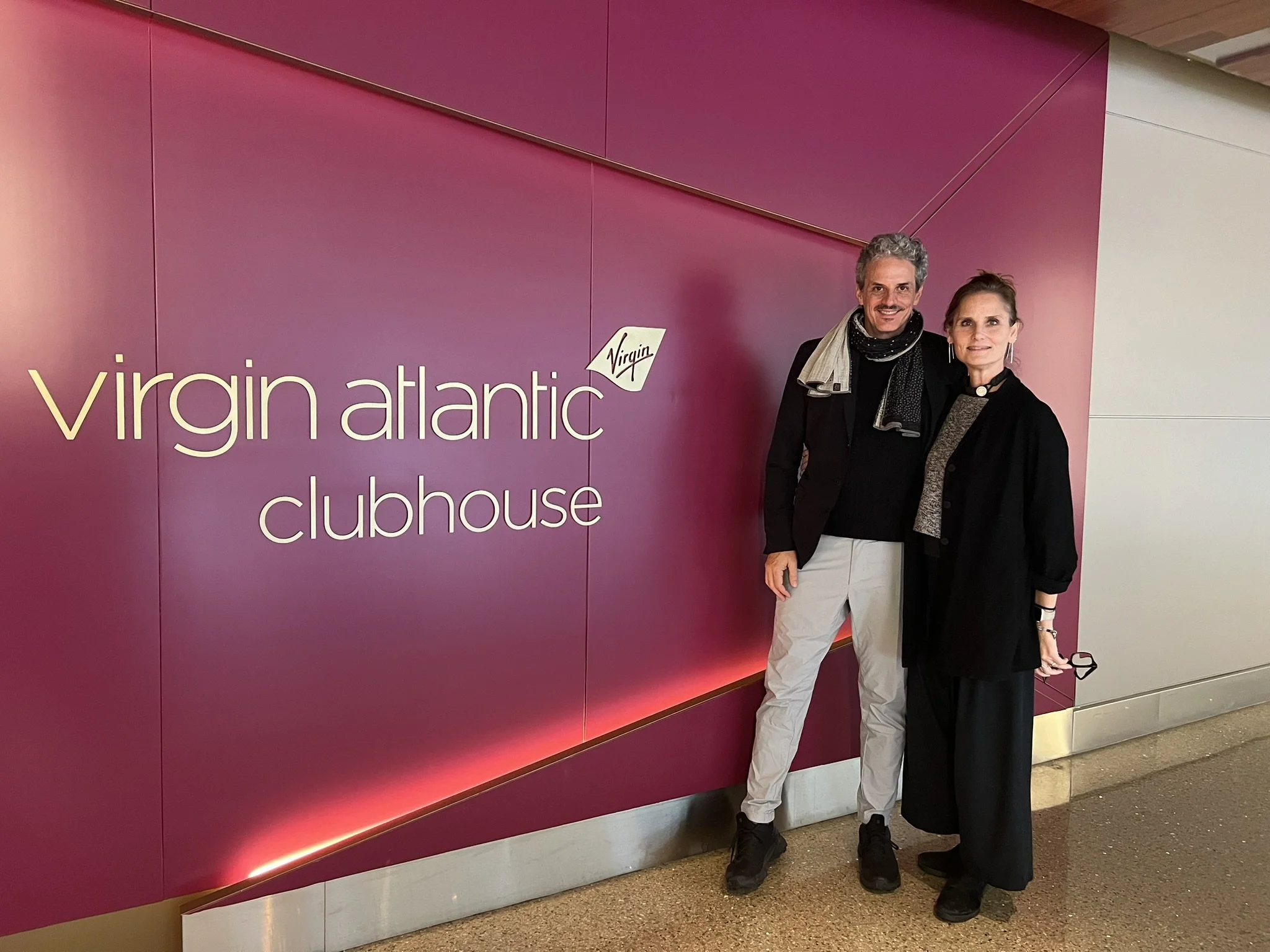
James and Hayes Slade at the Virgin Atlantic Clubhouse. Courtesy of Slade Architecture.
You run a firm together, which I imagine can be very challenging at times. You always also seem to be having so much fun, and it comes through in your work as well! How do you get through the challenging moments?
HS: Trust. We met forty years ago as undergraduates at Cornell and have been together ever since and married for thirty-eight years. We face challenges across our personal and professional lives together. Knowing that we always have each other's best interests at heart means that when difficulties arise at work, we almost always face them as a united front. That said, when things are challenging professionally, they are usually challenging for both of us simultaneously. All of our eggs are in one basket, which raises the stakes considerably.
JS: There are of course times when challenges are individual, or when we disagree with each other. When the challenge belongs to one of us, we know we can rely on the other for support. When the disagreement is between us, we don't have a formal conflict resolution procedure. If one of us feels strongly, the other will typically back off, voicing their concern or preference and then let things proceed. When we both feel strongly, we debate and try to convince each other, with varying degrees of success. If the disagreement is about design decisions, we will often present the options we each favor to the client team and let them choose. Through all of it though, a deep level of mutual trust underlies everything we do.
This interview has been edited and condensed for clarity.