Pockets of Joy: Studio NEiDA's Fabiola Büchele and Jeanne Autran-Edorh on Curiosity, Care, and Expanding Knowledge
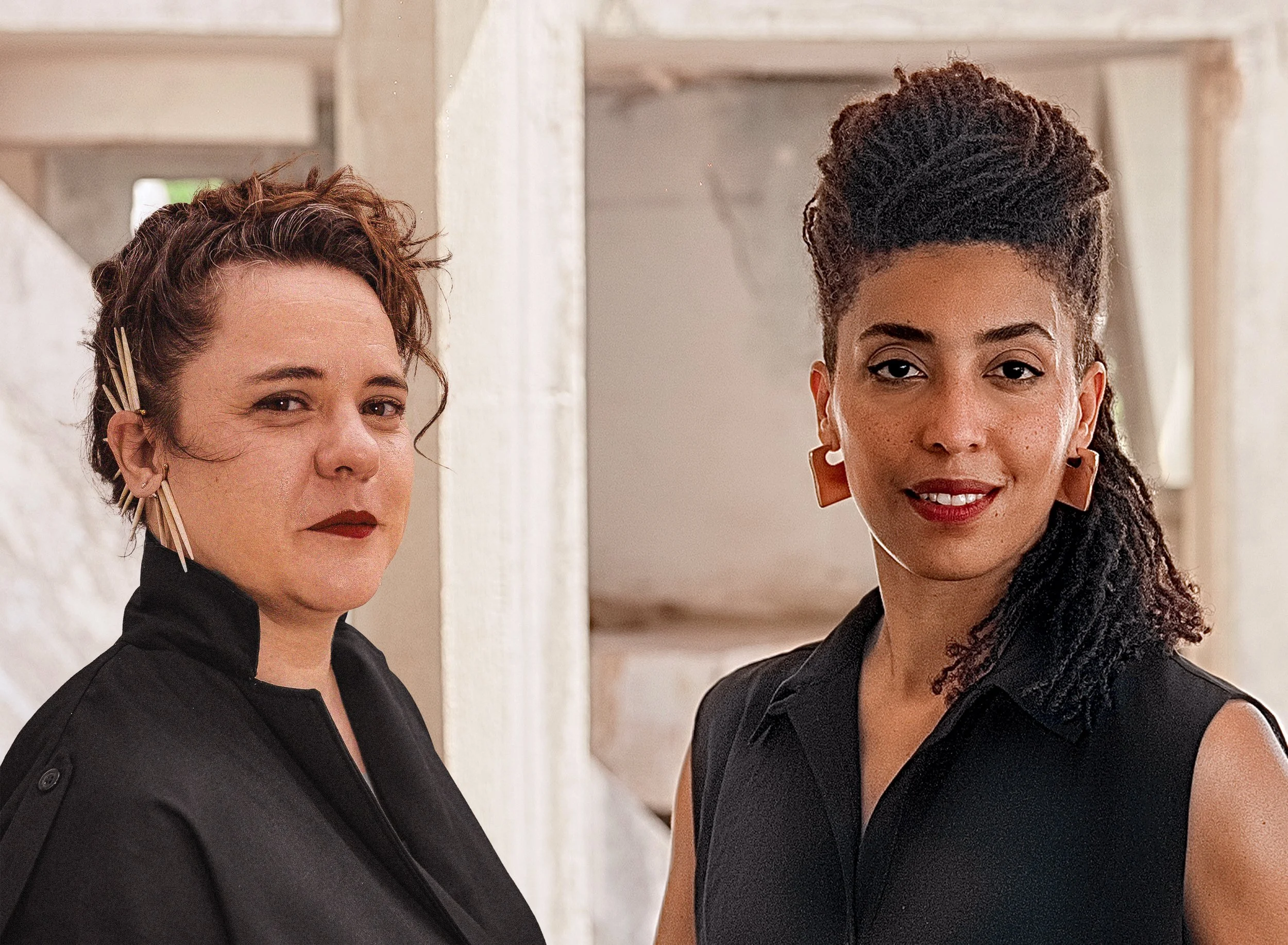
Fabiola Büchele and Jeanne Autran-Edorh by FoKwesi.
By Julia Gamolina
French-Togolese architect Jeanne Autran-Edorh and Austrian curator and writer Fabiola Büchele are the co-founders of Studio NEiDA, an award-winning, transdisciplinary Architecture, Design, Curatorial and Research practice based in Lomé, Brussels and Berlin, committed to equitable production processes, contextual approaches, regenerative craftsmanship and inclusive exchanges.
Prior to establishing their practice, Jeanne and Fabiola worked for Pritzker-Prize-winning architecture firms and acclaimed art and design institutions across Africa, Europe and Asia, including Kéré Architecture, Jean Nouvel, Herzog & de Meuron, and the Kamel Lazaar Foundation. Notable achievements include: Europe-40-under-40-Award 2026, ArchDaily Building-of-the-Year nomination, ArchDaily NextPractices Award 2025 and curating Togo's first pavilion at the Venice Architecture Biennale.
JG: I'd love to start with how your partnership began. You come from quite different backgrounds, both personally and professionally, and I'm curious what you first recognized in one another.
JAE: We met while working together at Kéré Architecture, and recognized in each other a similar logic, work ethic and bigger goals. However, our different backgrounds and skills are what ultimately brought us together. I am a very visual person — I talk in colors, compositions and geometry — while Fabiola talks in words and orality. She listens to a lot of podcasts. We can do what the other cannot, and translate between both worlds of our field.
FB: When I met Jeanne at Kéré Architecture, I was then in charge of creating a more refined communication for the firm as well as exhibition work and various written work for and about it. And as I was new to architecture, I relied on my architect colleagues to introduce me to that aspect of my work. A conversation with Jeanne began, about everything from work, to political view, to a shared sense of humor and so on. In a profession that takes itself so seriously, we always find pockets of joy, but at the same time understand the implication of the work and are committed to creating high quality output that we stand behind.
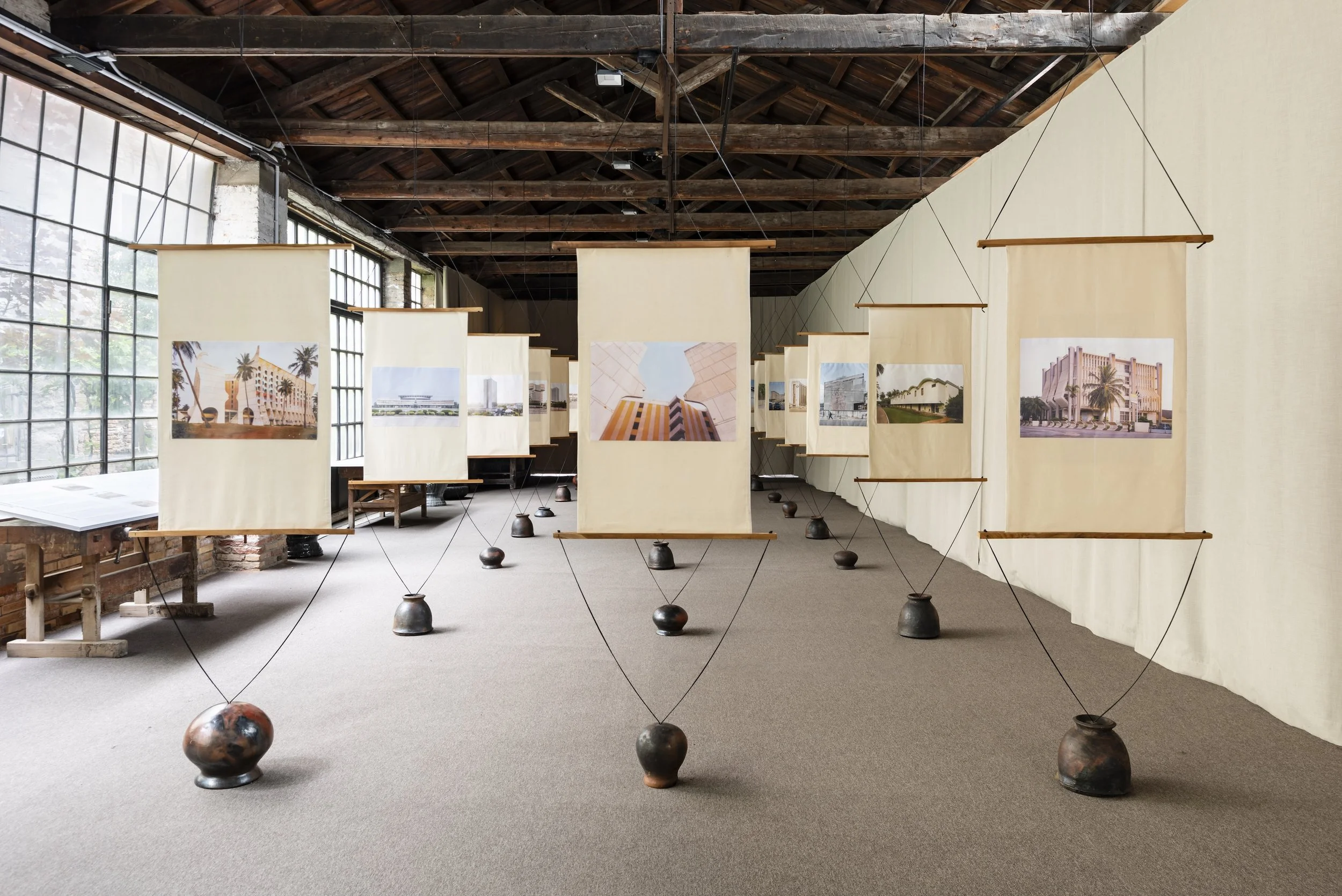
Togo Pavilion at the 2025 Venice Architecture Biennale. Photography by Matteo Losurdo.
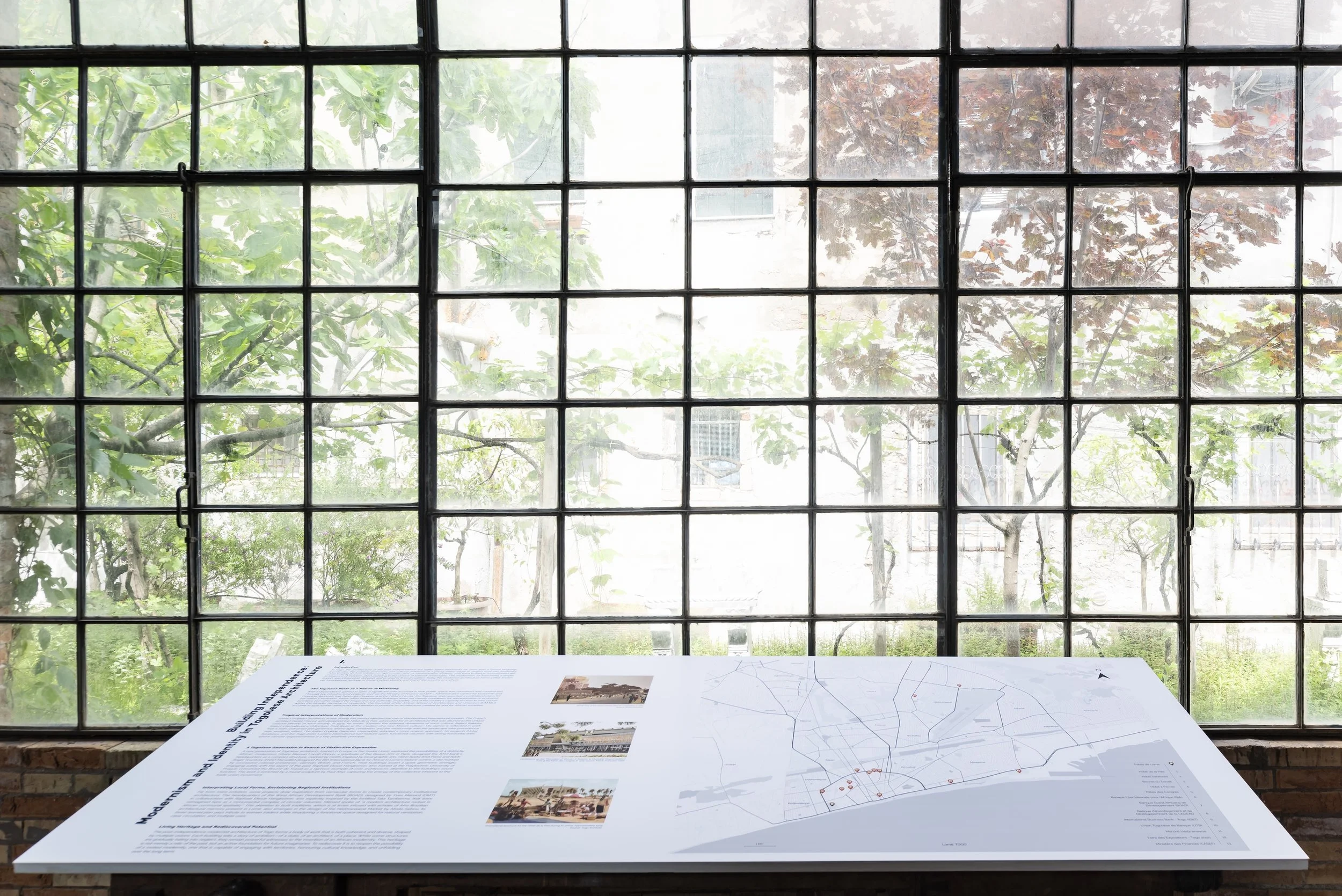
Togo Pavilion at the 2025 Venice Architecture Biennale. Photography by Matteo Losurdo.
Fabiola, you studied journalism in London, and Jeanne, you studied architecture in Lisbon and Marseille. When you think back to your education, what did those places teach you both?
JAE: What influenced me most to pursue architecture were trips I took with my mum. We were broke, but traveled to Barcelona, Venice and Lisbon, sleeping in the car and eating bread and fruit. Those trips are some of my best memories. During my Erasmus year in Lisbon, I learned about public space. The care given to public space in Portugal is incredible, from the pavements to the benches with views. I was passionate about my studies in Marseille, but found the education narrow-minded, especially when it came to architecture history. Most of the world’s architecture was absent, and “Architecture was invented by Brunelleschi in the Quattrocento” sounded like a lie to me. I remember thinking, “I have to keep educating myself beyond this reduced vision.”
FB: I studied journalism and international relations, then quickly applied those subjects to contemporary art and culture. My journalism education was very practical, but what stuck with me was a realization about my teachers. I remember finding a professor I aligned with politically insufferable, high-horsed, rude and self-assured. Yet another, working for what I considered a despicable daily paper, told me at the end of my degree that although we would never agree on how we saw the world, he was convinced I could do whatever I set my mind to. This contrast taught me to be curious about who I work with and wary of echo chambers.
“The most important thing though is to learn how to collaborate well, and how to surround yourself with people who complement you.”
Early in your career, was there something someone told you, or showed you through their example, that changed the way you approached your work or your career?
JAE: For my first internship, I sent unsolicited applications all over Europe with almost non-existent English, and I landed in Rotterdam at Korteknie Stuhlmacher, a small and really human work environment led by a woman, Mechthild Stuhlmacher. She became my first great example of leadership. She spent a lot of time teaching her staff and giving opportunities to young people: she brought the interns to construction sites to learn, but also to the theater, to exhibitions and to restaurants, and she gifted us books.
Six months later, I got offered a position at Herzog & de Meuron. Mechthild said she would completely understand if I went to Switzerland. She told me she had also learned a lot from working in a big office early in her career, at Chipperfield, and that I could come back later. It felt like the most caring way to leave an office and I never experienced that again afterwards.
FB: Throughout my studies I did odd jobs for two women. One ran a skate school and I did all of her communications for her and one was a freelance radio producer and I did odd research jobs for her and she eventually mentored me into producing a BBC radio documentary. Both of them showed me what it means to nurture and encourage younger generations. When subsequently I had work environments that were more competitive and shrewd, these early positive experiences served to remind me that there are alternative ways.
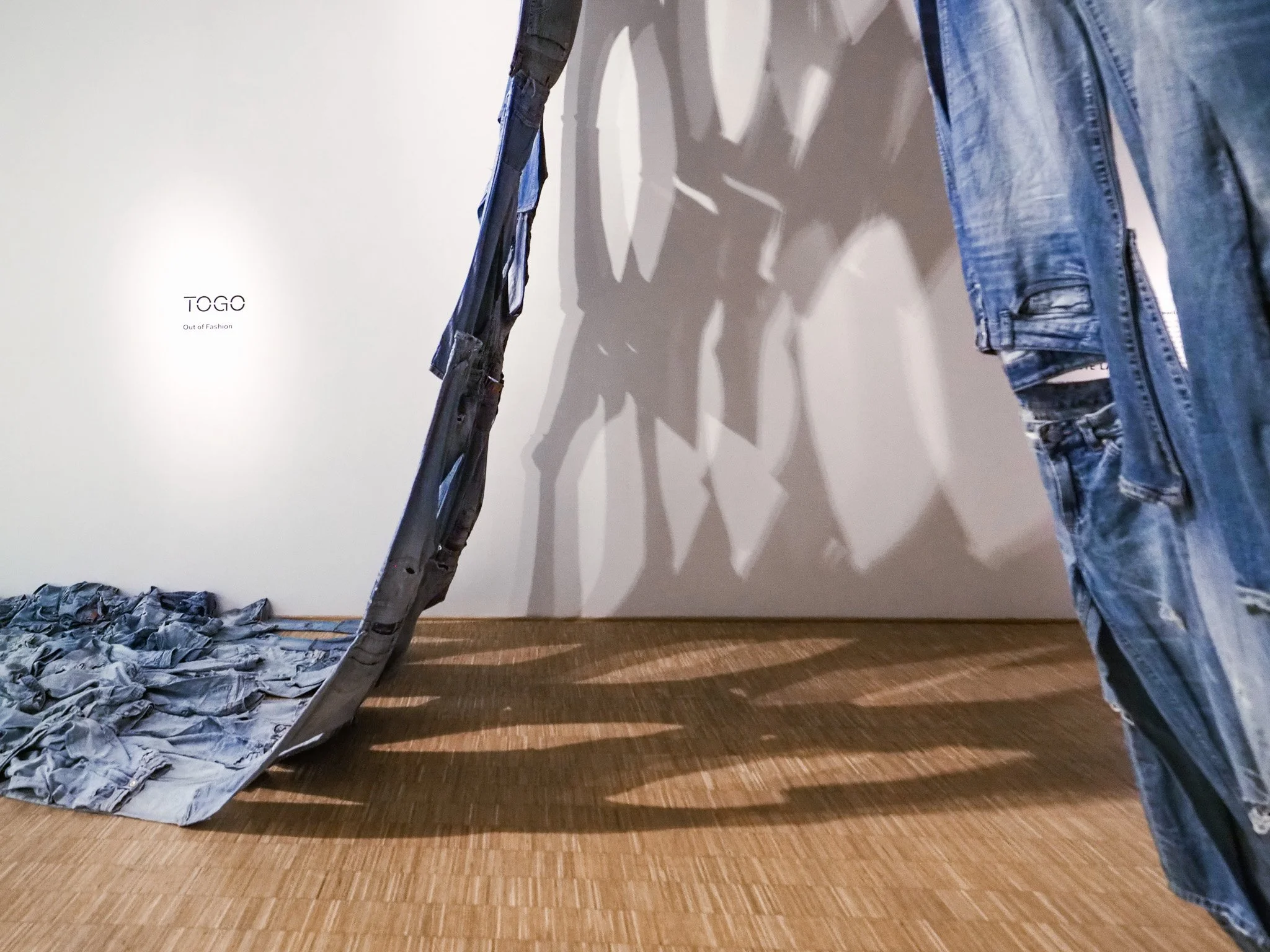
Out of Fashion at the 2025 Triennale. Photography by Jeanne Autran-Edorh, courtesy of Studio NEiDA.
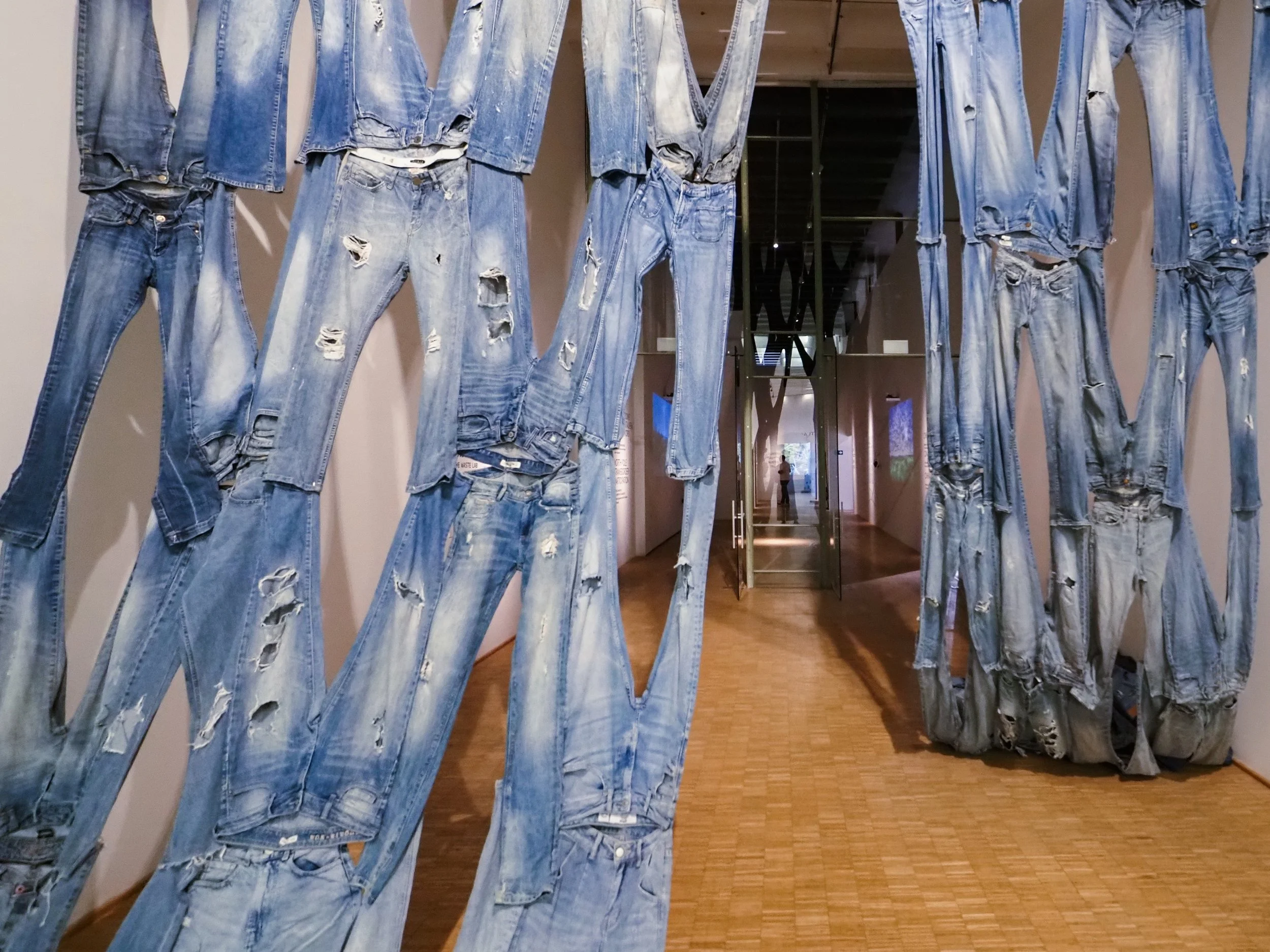
Out of Fashion at the 2025 Triennale. Photography by Jeanne Autran-Edorh, courtesy of Studio NEiDA.
Looking back, what are a few moments in your career that changed you? Not necessarily the biggest projects or accomplishments, but experiences after which you thought differently about the work, yourself, or the kind of career you wanted to have?
JAE: I really enjoyed my time at Herzog & de Meuron, a super stimulating work environment. At the same time, there was a lot of pressure and an enormous amount of work produced, quite often for the bin. After four years, I needed to explore a new place, one that felt more metropolitan, vibrant and diverse than Basel, and I felt the need to go back to my other passion, dancing.
I left for New York and did an intense dance training program at the Broadway Dance Center for six months. Instead of sitting at the computer all day, I was voguing, wacking, jazz, and singing. I kept with me a way of thinking more about movement and the body in space. One day I would love to work on the scenography for a dance show.
FB: When I was twelve, my family moved from the Austrian village I grew up in to Uganda. I started attending international school in Kampala and I found myself suddenly sitting next to the kids of the upper most elite living in Uganda. That was the beginning of my quite visceral understanding of the dangerous global hierarchy that pertains to skin color and passport. I might be middle class in Europe, but I am beyond privileged globally. I found it crazy then, and I continue to find it unacceptable today.
On a more curious part I also realized during that time how limited Europe’s view and education is. In Austria we are told we get a “Allgemeinbildung,” a general and all-encompassing education. But I realized that in fact we are getting a Eurocentric education that professes to be universal. I have been working since on any and all opportunities to expand that canon.
“Because I have an incredible foundation of humans in my life whose opinions I trust and who have my back, I can take the risks that I take.”
Can you take me into a period when things weren't going the way you hoped? What was difficult about it at the time, and how did you actually move through it?
JAE: One of the most challenging moments of my career was when I became a mother. The work environment I was in was really hostile and I was told that, “Mums can’t work.” I basically lost my job from the day I was pregnant. But, being forced to quit pushed me to start Studio NEiDA; otherwise, I’m not sure Fabiola and I would have moved so fast. Maybe I would have waited ten more years as an employee in an architecture office. I now cannot imagine doing so.
FB: Earlier in my career, I would say yes to undefined roles and take on many tasks because of my curiosity. That has in the past led to me not being able to deliver one thing perfectly simply because I was doing ten. Moving away from those situations were some of my toughest work experiences as it is not easy reversing out of a corner. My personal network helped me out here. Because I have an incredible foundation of humans in my life whose opinions I trust and who have my back, I can take the risks that I take.
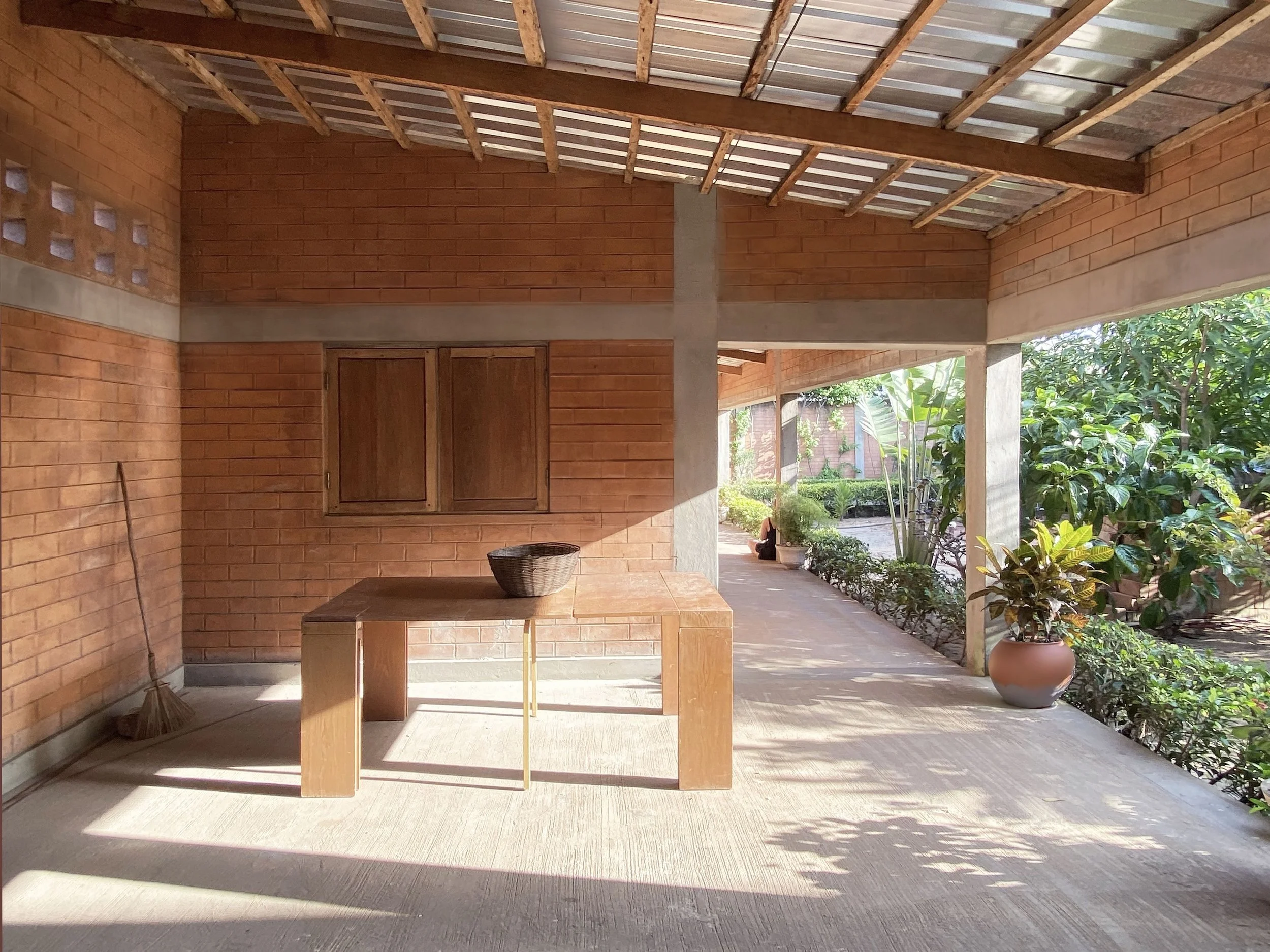
Adakpame Guesthouse in Lomé, Togo. Photography by Jeanne Autran-Edorh, courtesy of Studio NEiDA.
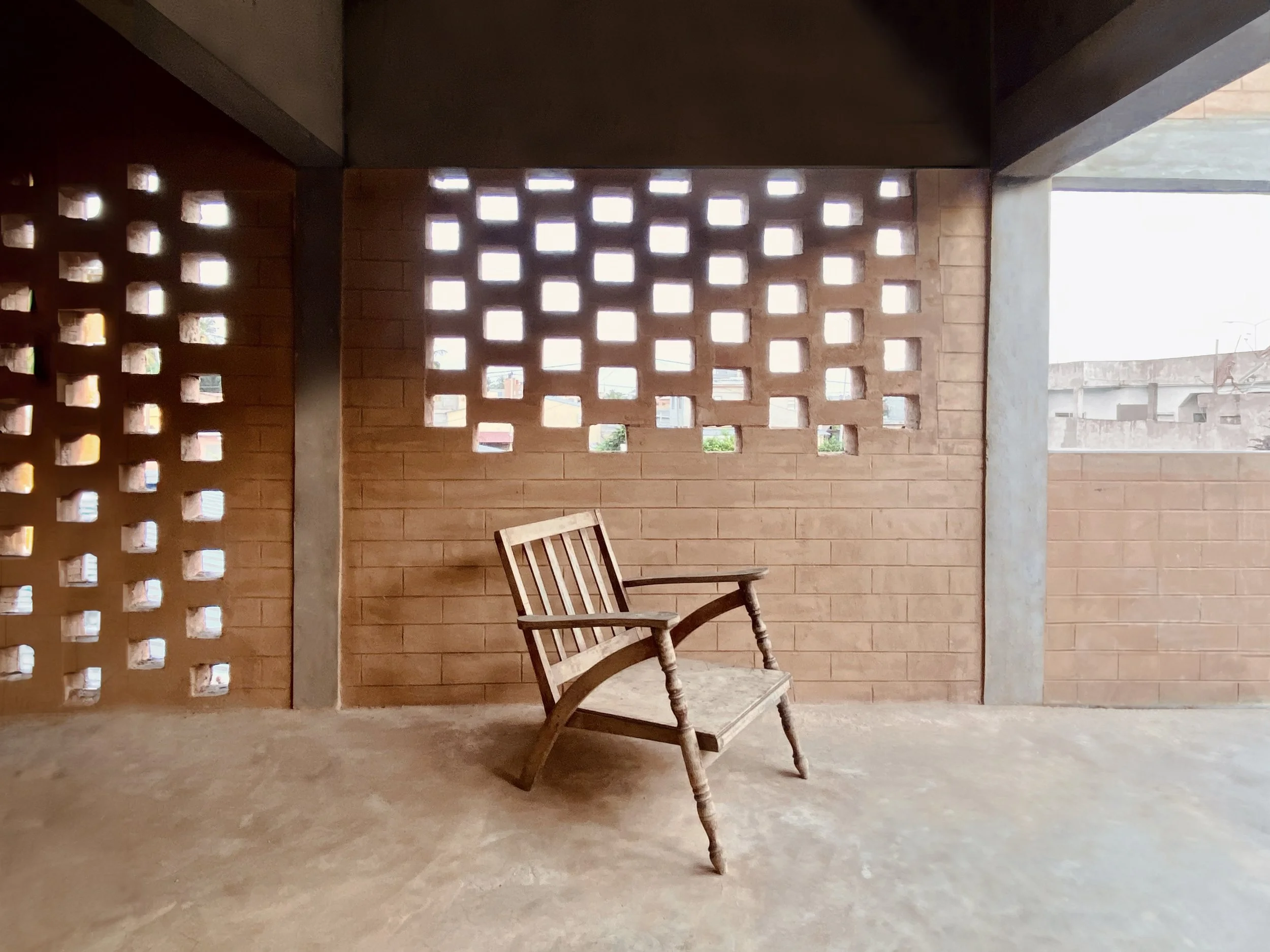
Adakpame Guesthouse in Lomé, Togo. Photography by Jeanne Autran-Edorh, courtesy of Studio NEiDA.
Who are you paying attention to right now? Who is doing work, or simply moving through the world, in a way that you find exciting or instructive, and what specifically are you learning from them?
JAE: I really appreciate the work, discourse, and political positioning of Meriem Chabani and her practice NEW SOUTH. Issey Miyake has always been a big inspiration and I appreciate the freedom of media in fashion shows, as they bring choreography, design and scenography together. Baloji is also an artist I find really inspiring — he embraces so many facets: singer, filmmaker, and designer. Finally, I am looking at a lot of African artists working with waste materials and collage, such as Ibrahim Mahama, Moffat Takadiwa and Zohra Opoku. How could we apply this artistry and craft to architecture?
FB: Most recently, the incredible majority-female team that pulled of the first even Pan-African Architecture Biennale in Nairobi impressed me with their tenacity and care. I also find everything that the Nairobi-based Cave Bureau has been doing astonishing. The precision, originality and beauty with which they curate and produce their exhibitions puts me in the kind of awe that brings me profound joy.
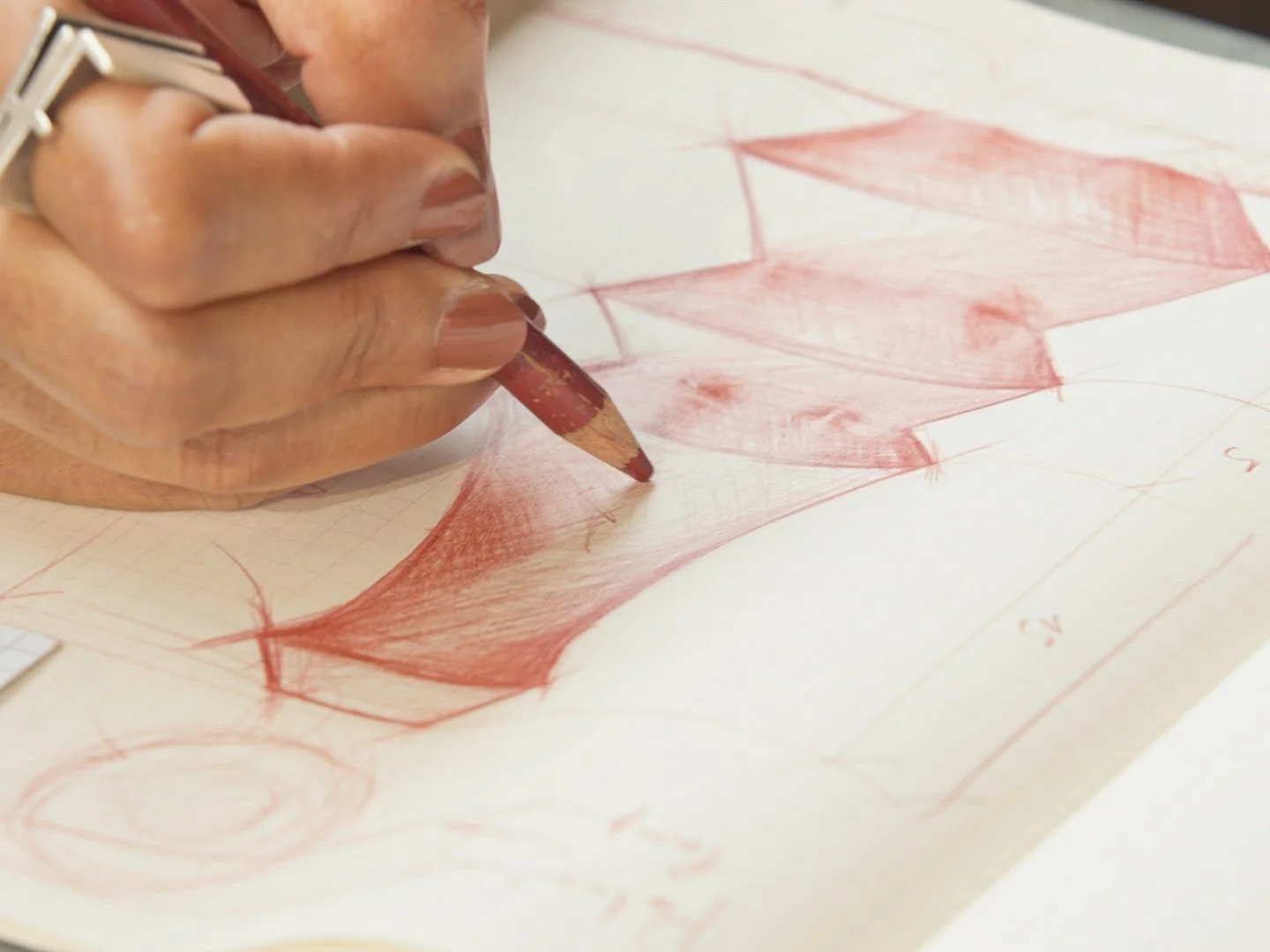
GAIIA Trophy drawing. Courtesy of Studio NEiDA.
GAIIA Trophy. Courtesy of Studio NEiDA.
At this point in your career, what still feels unresolved for you? What keeps pulling you forward?
JAE: What I would love to figure out at some point is how to divide my time better between Europe and Africa. My teaching commitments and family do not allow me to move around as much as I would like, and I would love to be based mainly in Africa at some point in my career, especially because most of our projects and research are in West Africa.
FB: The administrative part of business. European regulations are so convoluted which makes things difficult for freelancers or small studios like ours. But here the key might be patience and an understanding that it is not us, but that the turbo capitalism we live in that claims easy globalization is not geared to independent practices.
What do you understand about building a career, or a body of work, now that you wish someone had helped you understand when you were starting out?
JAE: I almost wish I had started doing my own projects earlier. We learn by doing, so just go for it! The most important thing though is to learn how to collaborate well, and how to surround yourself with people who complement you. Architects tend to think they can do it all, which is actually quite problematic. I love being in charge of what I can do well, and then collaborating with people I can learn from for the rest.
FB: Always make sure you have clear instructions. Know your responsibilities. Find people who share your interests and values, but can do things you cannot.
This interview has been edited and condensed for clarity.