Full of Possibility: Museum of the City of New York's Elisabeth Sherman on Exposure to Art, a Sustainable Work Life, and an Open Mind
By Julia Gamolina
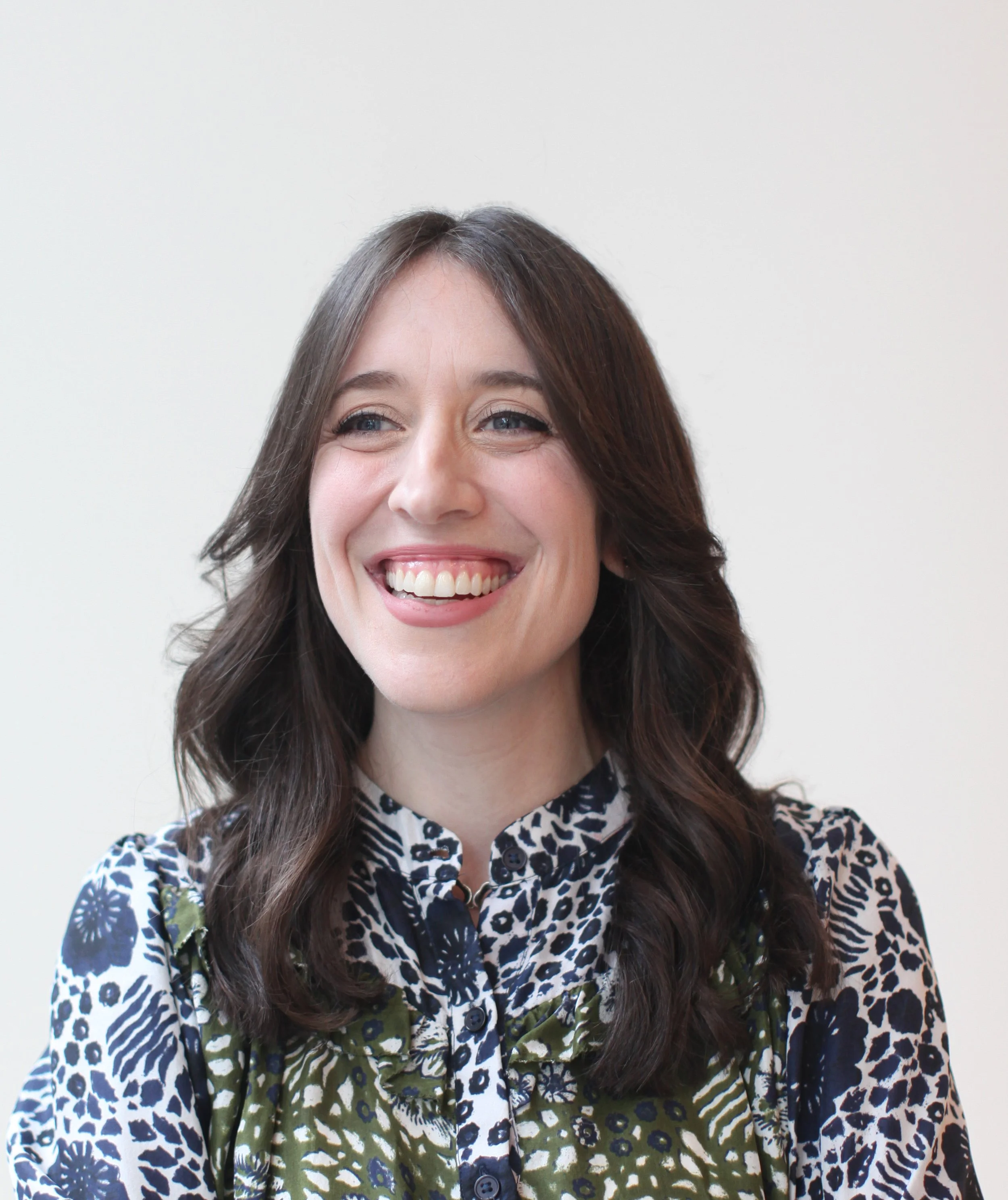
Elisabeth Sherman is the Museum of the City of New York’s Robert A. and Elizabeth Rohn Deputy Director and Chief Curator, overseeing exhibitions, collections, public programs, and education. Formerly Chief Curator at the International Center of Photography projects including exhibitions on Yto Barrada and David Seidner. She previously held curatorial roles at the Whitney Museum, contributing to acclaimed exhibitions. Sherman has written extensively on art and holds degrees from Dartmouth College and the Courtauld Institute.
JG: Congratulations on your new role with MCNY! Tell me more about how the opportunity came about for you, and what you're planning and looking forward to for the rest of the year and into 2026.
ES: I am thrilled to be working at the Museum of the City of New York, an institution I have long admired and learned from. For the role, I worked with the wonderful search firm, PBR Executive Search, who made the process as a candidate very smooth. Days after I started, we opened Robert Rauschenberg’s New York: Pictures from the Real World, an incredible exhibition focusing on Rauschenberg’s underexplored — but crucially important — photography practice. And 2026 will be a truly inspiring year and will include our most recently announced show, He Built This City: Joe Macken’s Model.
I am also eager to dive into MCNY’s vast and incredible collection. After a career in contemporary art and photography, I cannot wait to work with parts of the collection that are new to me, like the decorative arts, particularly the Gilded Age material, the immense and important theater collection, and the costume collection. I have always naturally been an interdisciplinary thinker and having a collection as vast as this one to use in our storytelling is a real gift.
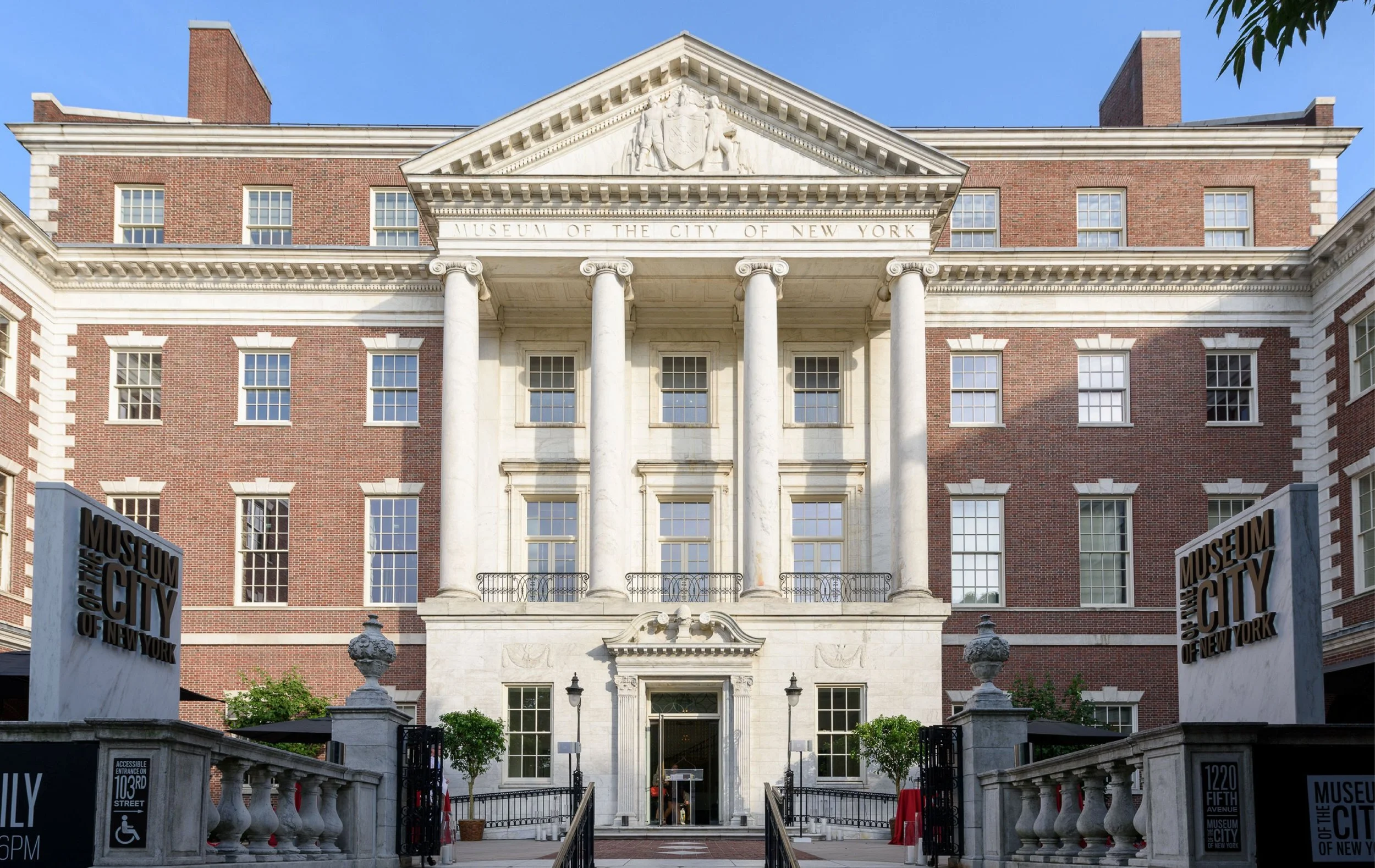
Museum of the City of New York. Photography by Filip Wolak.
Now let's go back a little bit — you studied art history at Dartmouth and at the Courtauld Institute of Art. What were you hoping to do in the world, and what were your biggest takeaways from your time in both places?
Like many curators, museums were spaces that made me feel safe and content when I was growing up. They allowed me to dream and to step away from the challenges of adolescence. When I was introduced to the study of Art History as a high school senior, I felt like I had found something I didn’t even know I was looking for. Using art history as the lens through which I could study the past and the present made a lot of sense to me, and I decided without much understanding about future career paths that this was what I wanted to pursue in higher education.
Dartmouth gave me an excellent grounding, introducing me to modern and contemporary art history, which I wound up pursuing professionally, but also taking classes across time and medium. I received an exceptional and well-rounded liberal arts education there, which allowed me to dip my toe into many interests and planted the seeds for the interdisciplinary work that I am increasingly foregrounding in my curatorial practice.
The Courtauld, on the other hand, was a crash course in art theory for me, giving me a deeper understanding of this set of tools that can be deployed in analyzing artistic practices. I feel grateful to have had an education in both hands-on practical study of art objects — like in my Rembrandt etchings course as an undergrad — as well as more abstract theoretical frameworks, and to have the capacity to use all of these registers in my work.
“...the artists have been my mentors. They have pushed me to expand how I think, to see new possibilities in both the world and my work, and to never take the current norms as a given.”
What was some of the best advice you got early on that has informed your approach to your work and career?
Early in my career, I was struggling with the inherent risk taking of curating contemporary art, in particular in making acquisitions for museum collections. I was talking about this struggle collections with a curator I was working closely with and whom I still admire very much. She told me that when she was early in her career, she’d been given the advice that. I had to work very hard to internalize that and get a lot more comfortable with the leaps of faith and reliance on intuition that this work requires, but it was crucial advice that I try to apply in spirit to much of the work I do.
Tell me about your professional experiences — at the AFA, the Whitney, the ICP — before joining MCNY. What did you learn with each step?
The Whitney taught me, amongst so many other lessons, how to work with and understand the needs of living artists. That kind of empathetic approach to working with artists has been useful in every exhibition I have worked on but also in working with everyone you collaborate with in this field, internally and externally.
ICP taught me how to be nimble, responsive, and curate exhibitions with my instincts as much as my research and knowledge. It was also an opportunity to step fully into the incredibly passionate photography community and strengthen relationships with other curators, institutions, and photographers while expanding my network internationally.
I was very grateful for my early career time at the AFA, where I got insight into the work and systems that allow exhibitions to tour to multiple venues. It’s experience I rely on to this day.

Photography by Joe Sinnott.
Looking back at it all, what have been the biggest challenges? How did you both manage through perceived disappointments or setbacks?
Working in contemporary art museums is inherently a challenge between the very real practicalities of a complex, non-profit organization that serves many different audiences with the lofty and often messier and demanding work of living artists. The challenges vary from project to project, but time and money are typically the biggest obstacles. Nonetheless, like all challenges, these allow creative opportunities to arise that often inform future projects. For example, one lighting solution that an artist came up with in a show became a standard practice in many of my shows going forward, solving a problem I hadn’t before known was solvable.
Who were your mentors through it all?
I have had innumerable mentors, from curators I worked under to peers I’ve learned from and colleagues across the various institutions I’ve worked in. Everyone has something to teach and share and I aim to be open to all of these learning opportunities. But I’d say above all, the artists have been my mentors. They have pushed me to expand how I think, to see new possibilities in both the world and my work, and to never take the current norms as a given. I could not do the work I do today if they had not pushed me to reconfigure how I approach every new challenge.
“...factor in what you want your entire life to look at as you evaluate different paths in this work...Work backwards from your goals for your whole life into what kind of work will fit that picture.”
Who are you admiring now and why? (Here, I am looking for specific shoutouts to people doing wonderful work in the world that you think our readers should know about)
Since I was working in a photography-centric organization for the past few years, I’ve recently been paying closest attention to individuals and organizations supporting the work of artists using the camera. There are many doing this work, from the Magnum Foundation supporting photographers around the world in telling their stories, to the historic Baxter Street at the Camera Club of New York which recently reopened in its incredible new gallery space on Manhattan’s Lower East Side.
Upstate, the Center for Photography in Woodstock has also moved to a new location in Kingston and is mounting wonderful exhibitions and public programs. I also always have to give a shoutout to the Wassaic Project in the Hudson Valley, an incredibly open and playful space for contemporary art that my whole family loves to spend time at.
What is the impact you’d like to have on the world? What is your core mission? And, what does success in that look like to you?
I see my work as having two core missions. The first is outward facing: I truly believe that exposure to art, culture, and history can change us as individuals and contribute to making our lives richer, more expansive, and full of possibility. With that, we can then impact the world in small and big ways that we may not even be able to yet imagine. Not everyone feels that way, however, or has had the benefit of feeling included or welcome in museums to have these experiences. I hope to lead museum programs that encourage an open-minded and curious engagement with the world around us.
The second is inward facing: museum work is a small, competitive field which can often lead to a challenging environment for the professionals who make their lives in these organizations. I don’t think that’s intrinsic to the work or organizational structures and I’d like to help improve this aspect of our institutions, creating a more sustainable work life for those who commit themselves to this field. The more sustainable the work, the more creative we can be, and the more people we can positively serve, so these two goals are deeply intertwined.
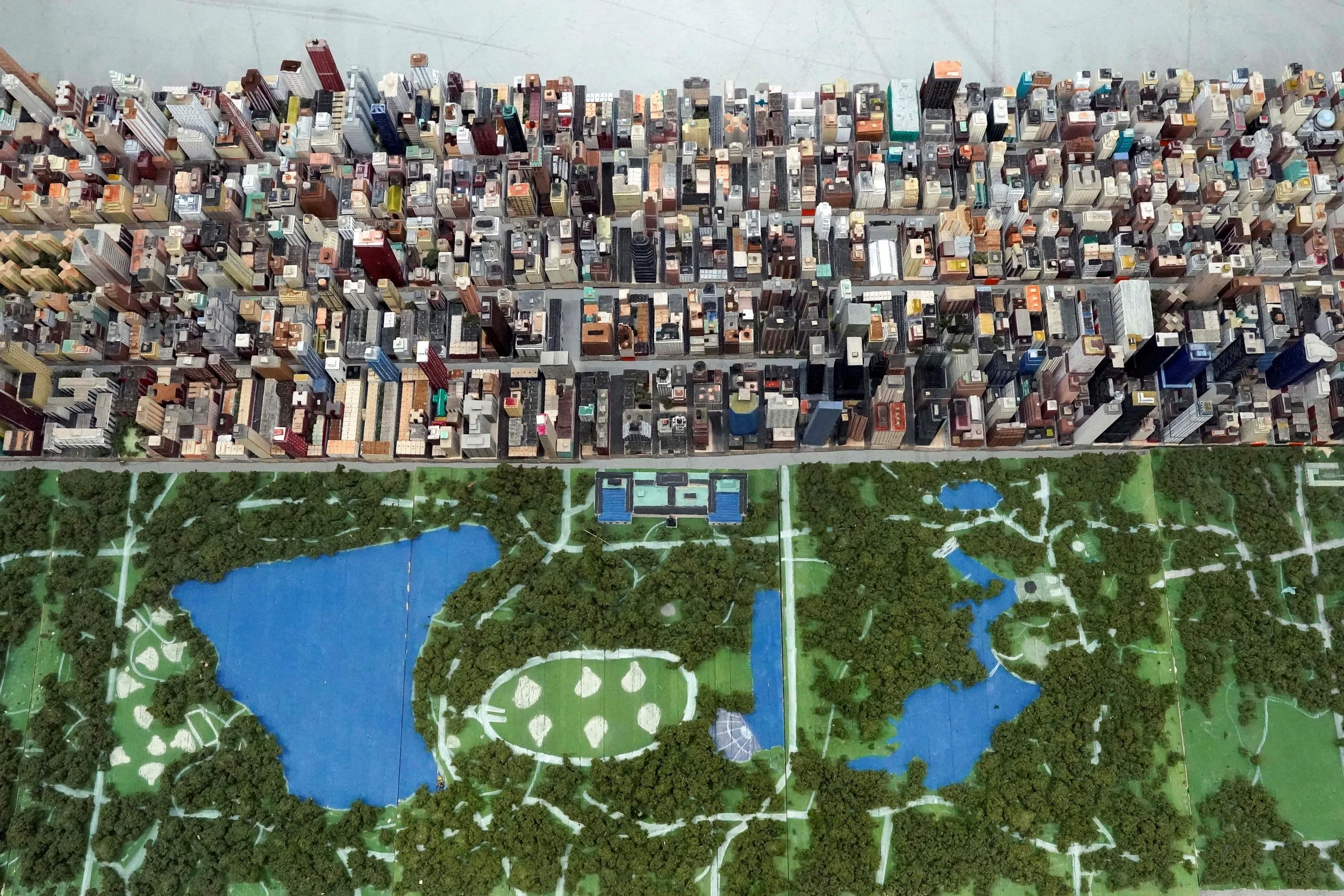
Cindy Schultz, The New York Times, Redux.
Finally, what advice do you have for those starting their career? Would your advice be any different for women?
Since an open mind is key to the work itself, it is important to apply that open mind to yourself and the shape your career can take. Stay curious about what interests you, what you’re good at, and what motivates you even if it deviates from your original goals or expectations.
Explore all the roles in an organization, and all the kinds of organizations you can do this work in. Expect that your career will be a winding country road, not a superhighway, and enjoy the unexpected sights it will bring. And factor in what you want your entire life to look at as you evaluate different paths in this work. Some roles are more solitary, others extremely extroverted. Some require night and weekend work, others don’t. Some travel, some are desk based, some combine all of these. Work backwards from your goals for your whole life into what kind of work will fit that picture.
As for being a woman in the working world, it took me a long time to truly reckon with the fact that, even though museum work is less male-dominated than many other industries, the same rules of the patriarchal society we live in apply in these organizations. I would never tell someone early in their career to let that hold them back, quite the opposite. But it’s important to be mindful of all the dynamics at play, gender among them.
This interview has been edited and condensed for clarity.