A Day in the Hudson Valley with Indigo River's Dena Prastos
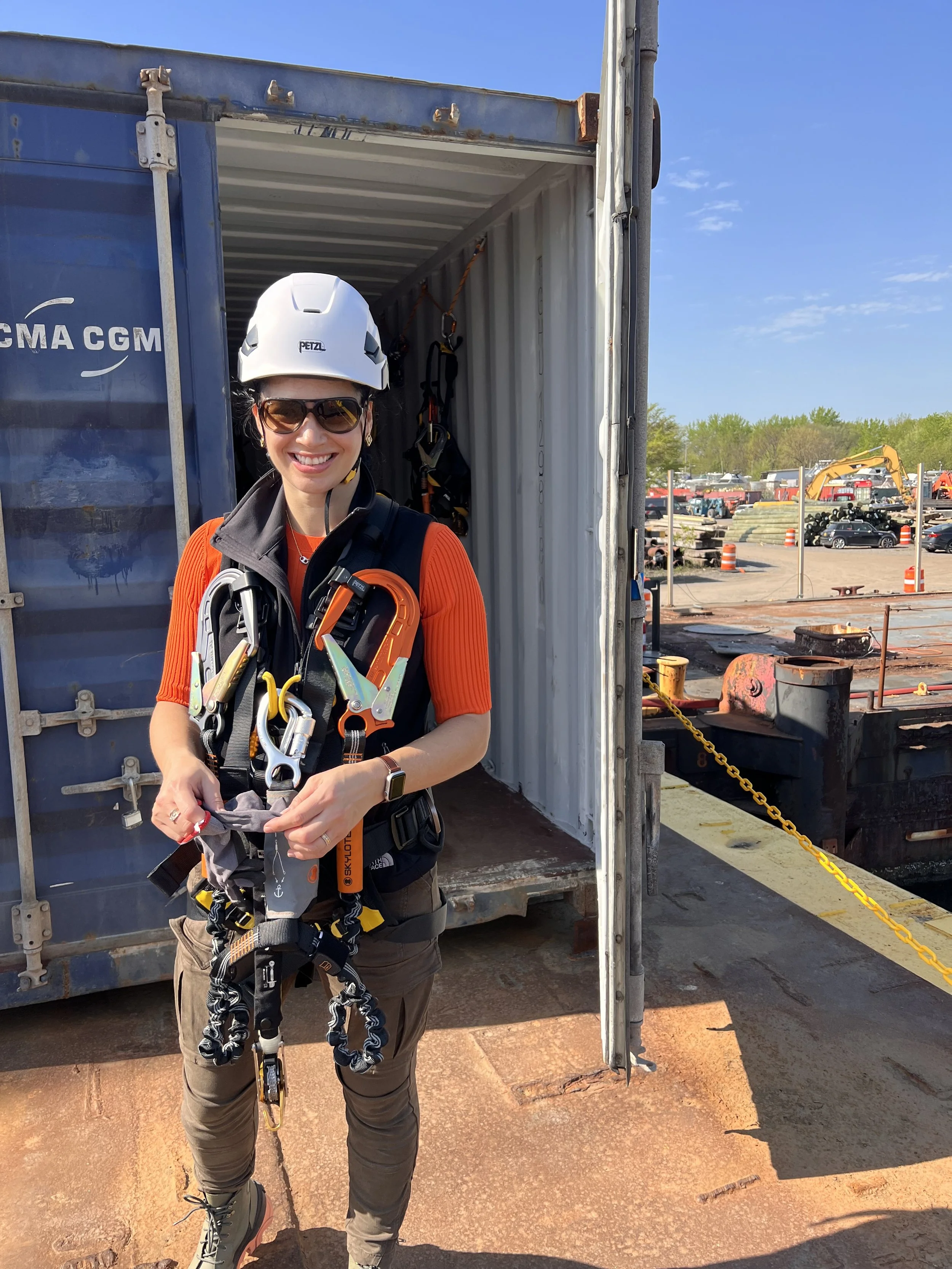
Dena on site. Courtesy of Dena Prastos.
Dena Prastos is the founder of Indigo River, a women-owned transdisciplinary design firm. A leading authority in the New York Harbor, Indigo River focuses on progressive waterfront architecture, resiliency, and climate adaptation solutions that seamlessly transcend boundaries.
Waterfront architect, civil engineer, futurist, climate adaptation expert, and entrepreneur, Dena is driven to transform the built world at the water’s edge. She is fueled by the overlapping of design, technology, community and nature.
5:30am: The Hudson River is still dark when I wake up. Our home sits right on the water in Grandview, and the river quietly shapes the rhythm of daily life here. Some mornings I step outside with my coffee and watch the first boats pass before the rest of the house wakes up.
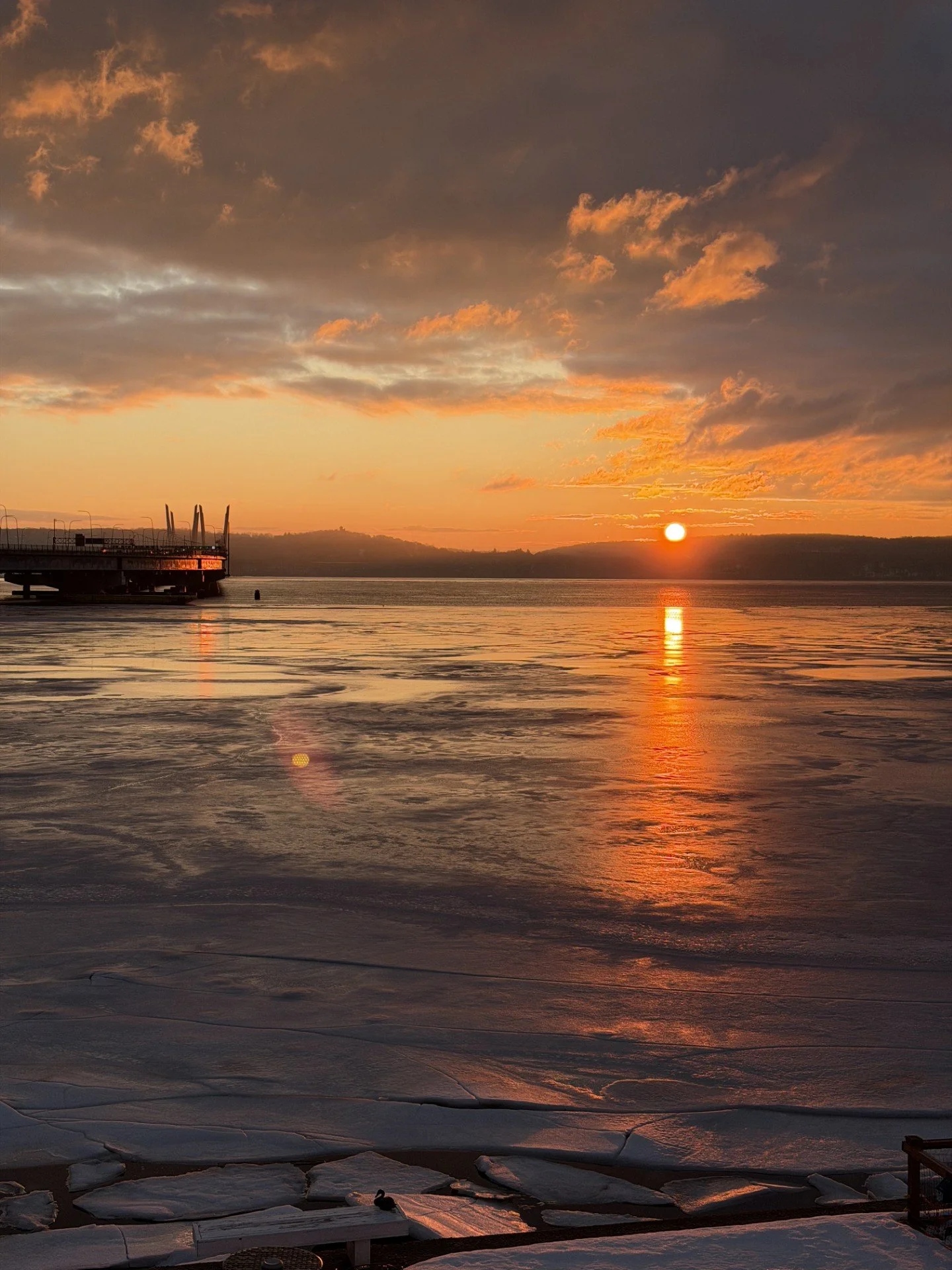
Sunrise on the Hudson River, from Dena’s ongoing #GVOHNY photo series.
These quiet minutes are intentional. I move carefully in the morning to buy myself a few moments of solitude before our daughter Aurelia wakes up. She's twenty-one months old and usually up by six, and once she's awake the calm of the morning quickly gives way to toddler chaos.
Each morning begins with a blood pressure check. I'm in the third trimester of a high-risk pregnancy, which means daily monitoring and a running log for my doctors. This pregnancy carries deeper meaning for our family. Before our first child was born, we spent nearly seven years navigating fertility treatments and setbacks. The experience reshaped my understanding of patience, resilience, and gratitude. So, while this stage of life can sometimes feel chaotic, it's also something we have waited a long time for.
6:00am: Aurelia is up and already full of opinions. I change her and settle her into her high chair while putting together breakfast: milk, banana, and egg. At the same time our dogs, Indigo and Houdini, begin circling impatiently.
Coffee is sacred in our house. Whole beans, freshly ground. Milk frothed and topped with cinnamon. I'm limited to one or two cups right now, which can feel like a cruel constraint on some mornings. I usually pair it with a cookie or a piece of toast while scanning overnight emails and messages.
7:30am: My husband Nick handles daycare drop-off today. Mornings are a coordinated handoff between packing bags, finishing coffee, and making sure Aurelia leaves the house with at least one shoe on the correct foot. Nick and I are also navigating a complicated medical season together. He has a chronic illness, and we're exploring treatment that will involve stem cells collected from this pregnancy's cord blood. Parenthood requires a village. Professionally and personally, that lesson has become very real in this season of life.
8:00am: Once Aurelia leaves for daycare, the house gets quiet again. That's when CEO mode begins. I've always been a morning person, and my most productive hours are usually between 7:30 and 10:00am. That window is when I try to tackle the most complex work of the day before the meeting schedule fills in.
My office is a small, quiet room tucked inside the house, filled with plans, reports, and reference books. It's where most of the day's calls happen. Most mornings begin with internal coordination and client calls before the proposal work takes over. Some days we're discussing waterfront resiliency proposals for New York City. Other days involve reviewing drawings, specifications, and cost estimates for projects like Governors Island or shoreline infrastructure planning.

A walk along the Hudson.
When I need a moment to reset between meetings, I step outside onto the deck where the Hudson comes back into view. With maternity leave approaching at the end of next week, much of my focus right now is transition. I've come to learn that good leadership isn't about being indispensable. It's about building teams and systems that continue to operate effectively even when you're not there.
10:30am: Later in the morning I jump onto a prep call for an upcoming NCARB webinar on Resource Stewardship and the future of the profession. As architects, our role is expanding beyond designing buildings to stewarding the built environment at a much larger scale. Infrastructure and climate adaptation are becoming central to how the profession serves the public.
Because we live directly on the Hudson, the professional and personal sides of my work sometimes blur together. I serve on my village's planning board, and neighbors occasionally come to me after storms asking about deteriorating docks, bulkheads, or shoreline infrastructure. This winter in New York has been a real one. Growing up in Alaska, I'm not easily intimidated by snow or cold, but even I was surprised to see the Hudson largely frozen over after the recent storm. Yesterday, while I was recording a webinar from my office, a neighbor knocked on the window asking about storm damage to their dock — a very real reminder that the issues we discuss professionally affect people's homes and livelihoods.
12:30pm: Lunch is usually a working one. If I'm lucky, I find a grain bowl somewhere nearby. Other days it's pizza. When I'm in our NYC Midtown office, the team often orders lunch together and rotates through an eclectic mix of Korean, Japanese, Italian, Greek, and everything in between. I also snack throughout the day: nuts, fruit, whatever pregnancy craving appears that afternoon. Ice cream has made a few appearances lately.
2:30pm: Afternoons are often when the day shifts from strategy to action. Some days that means proposal work and coordinating deliverables with the team. Other days mean heading out to a waterfront site. Those are my favorite afternoons.
I'll pull on a pair of waders, grab my hard hat, and walk along a shoreline looking at bulkheads, seawalls, or erosion patterns. There's nothing like being out there, feeling the water and watching the way the river behaves in real time. It's where the drawings come to life or show where they fell short.
Earlier in my career these site visits were pure inspection. Now they're also teaching moments. I bring young people from the team out to learn how materials age, how the water behaves, how the work actually holds up. You can read a thousand pages on coastal engineering, but nothing replaces seeing a seawall take a beating from winter storms.
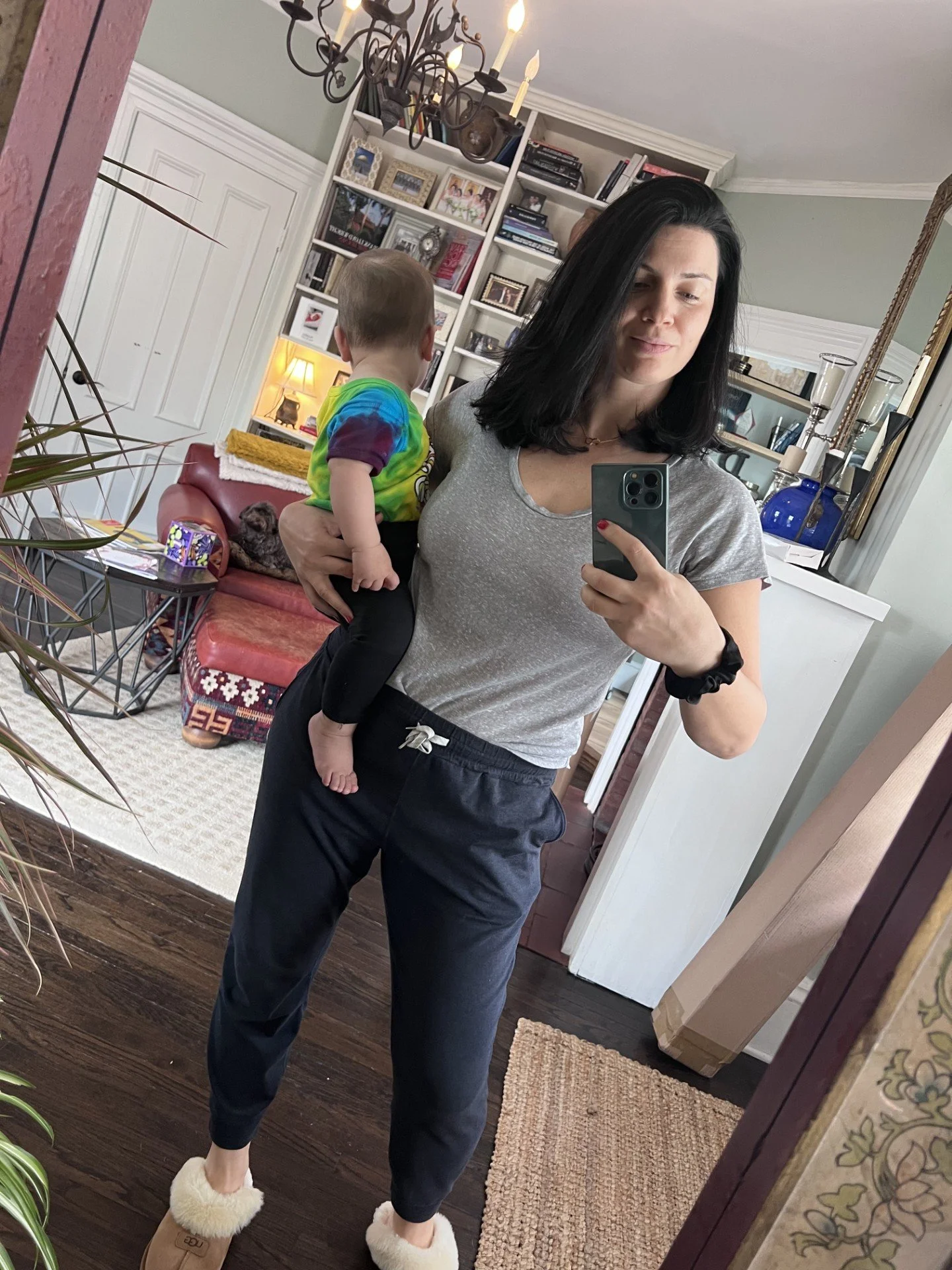
Transition to mom-mode.
3:30pm: By mid-afternoon I'm already thinking about the handoff. There's a window before Aurelia’s pickup where I try to close the loop on anything urgent. A few emails, a check-in with the team, making sure nothing lands in someone's inbox at 6pm needing an answer. The goal is to walk away from the desk without leaving fires burning.
It doesn't always work. Some days I'm still typing when I hear the car in the driveway. This transition period has been a crash course in that particular kind of triage: what actually needs me right now, and what can wait until tomorrow. Building processes that don't depend on me being in every room has meant being honest about that question every single day. Good teams don't need your permission to do good work. The hard part is trusting that when you're the one who used to be in every room.
4:30pm: Aurelia comes home from daycare, and the day pivots completely. This is the part that’s hardest to talk about honestly. I close my laptop with a list of things I didn't finish — emails I owe people, a proposal that needs one more pass, a call I should have made. And then the door opens and she comes running in and I have exactly two choices: be here, or be somewhere else in my head. She doesn't know the difference yet, but I do.
Some evenings we cook together. I'll let her help stir or mix something, which creates significantly more mess but also more fun. Other nights we order takeout. We eat together regardless.
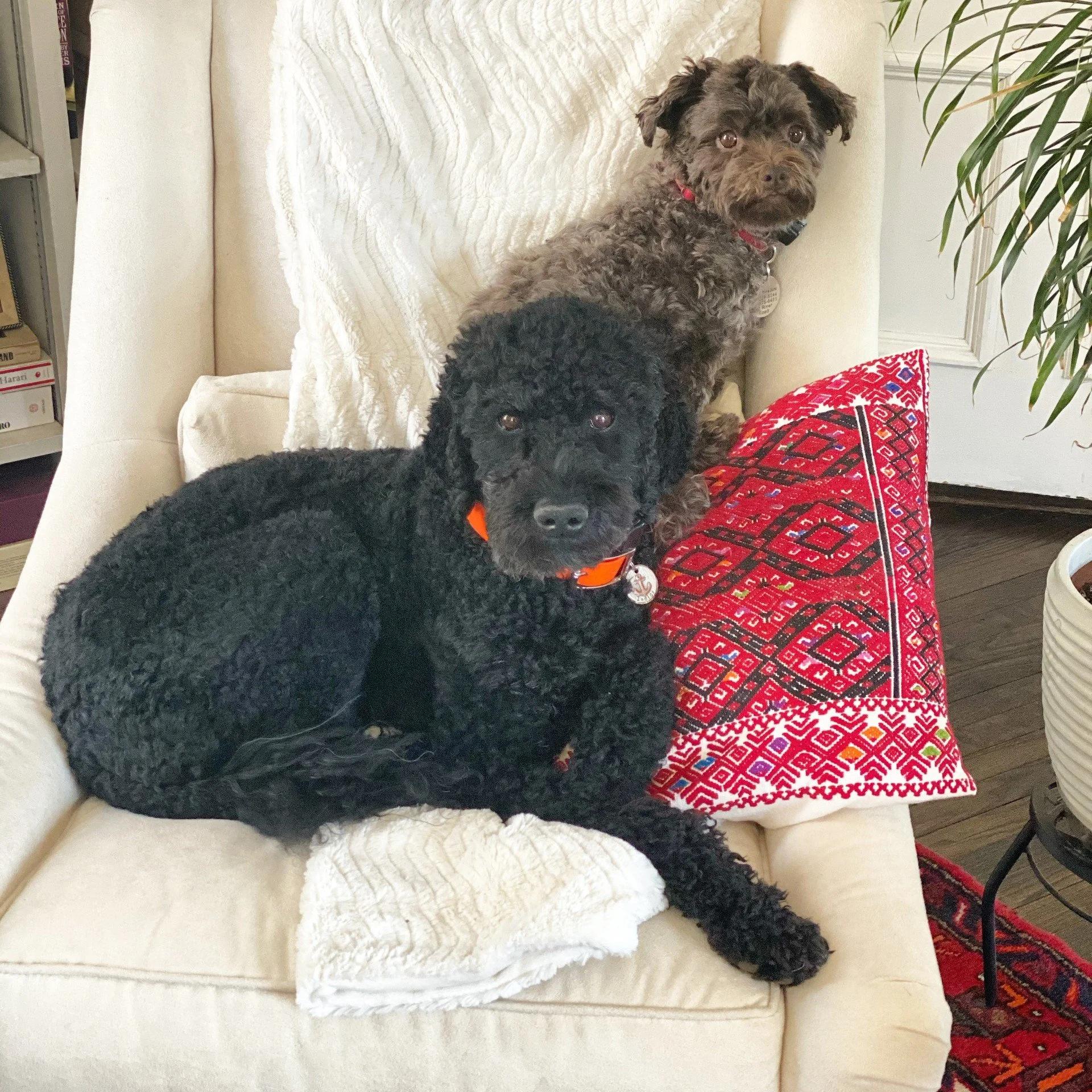
Indigo and Houdini.
7:00pm: Bedtime is non-negotiable. Bath, books, bed. She picks a book. I read it. Sometimes she tries to pick a second one, and I give in. After she's down, the house settles. Nick and I squeeze in whatever time we have. Usually it's quiet. A show, a conversation, or just being in the same room.
9:30pm: I'll do one last email check if something urgent came in, but I try to close the laptop before bed. Pregnancy is exhausting enough without keeping work running in the background all night. Most nights end with a quick cuddle from Indigo and Houdini before the house finally settles.
This piece has been edited and condensed for clarity. Since the piece was written, Dena’s second child has arrived.